
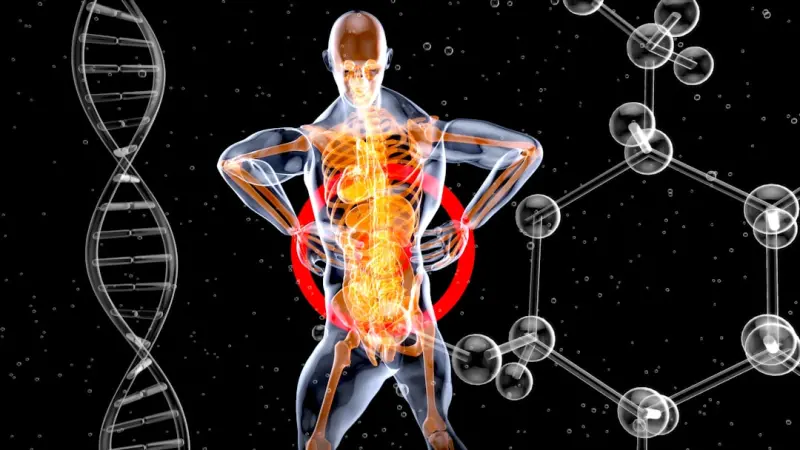
When I first sat down to map out my personal health dashboard, I expected the biggest levers to be nutrition, sleep, and exercise. The data showed those were indeed critical, but a surprising outlier kept nudging my attention: temperature. A pattern emerged across the metrics—days when I deliberately introduced a cold shower or a sauna session, my heart‑rate variability (HRV) spiked, inflammation markers dipped, and my mood steadied for hours after. It wasn’t a coincidence; it was a classic case of hormesis, the “what doesn’t kill you makes you stronger” principle, applied to thermal stress. In this post I’ll walk you through the science, the practicalities, and the strategic ways you can embed temperature hormesis into a longevity‑focused lifestyle—without turning your daily routine into a survivalist experiment.
The Hormesis Blueprint: Why Mild Stress Equals Longevity
Hormesis describes a biphasic dose‑response curve where low‑level stressors trigger adaptive, protective mechanisms in our cells. Think of it as a tiny alarm bell that wakes up repair pathways—heat‑shock proteins, antioxidant enzymes, autophagy—without overwhelming the system. When the stress is too mild, nothing happens; when it’s too severe, damage ensues. The sweet spot sits right in the middle, and temperature is one of the most accessible stressors to dial into that zone.
Research across model organisms—from worms to rodents—shows that intermittent exposure to cold or heat can extend lifespan by up to 30 %. In humans, the data are emerging but compelling: regular sauna use correlates with lower cardiovascular mortality, and cold exposure improves insulin sensitivity and brown‑fat activation, both linked to healthier aging.
Cold Exposure: From Ice‑Baths to the Everyday Chill
Cold stress activates several pathways that matter for longevity:
- Brown adipose tissue (BAT) recruitment: Unlike white fat, BAT burns calories to generate heat, increasing metabolic rate.
- Enhanced mitochondrial efficiency: Cold triggers a mild surge in reactive oxygen species (ROS), which paradoxically upregulates antioxidant defenses.
- Improved circulation: Vasoconstriction followed by vasodilation delivers a fresh pulse of oxygenated blood to tissues.
- Stress‑resilience signaling: Cold stimulates the release of norepinephrine and the activation of the cold‑shock protein CIRP, which supports cellular repair.
For most professionals, a full‑body ice bath isn’t realistic five days a week. Here’s how to weave cold into a busy schedule:
- Cold showers: Start with 30 seconds of cool water at the end of your regular shower, gradually extending to 2 minutes as tolerance builds.
- Winter walks: A brisk 15‑minute walk in chilly weather, especially without a heavy coat, can provoke the same BAT activation without the shock of an ice plunge.
- Cold packs for recovery: Post‑workout, apply a 10‑minute cold pack to major muscle groups. This not only reduces inflammation but also contributes to the hormetic cascade.
Tracking your response is key. Many health‑tech platforms now integrate peripheral temperature sensors and HRV analytics, letting you see the immediate uptick in autonomic balance after a cold session. Over weeks, you’ll notice a baseline shift—lower resting heart rate, steadier HRV, and fewer “mid‑day crashes.”
Heat Exposure: Sauna, Hot Baths, and the Power of Sweating
Heat stress flips the script but lands on the same hormetic sweet spot. The primary actors are heat‑shock proteins (HSPs), especially HSP70, which act like molecular chaperones, refolding damaged proteins and preventing aggregation—a hallmark of age‑related neurodegeneration.
Additional benefits of regular heat exposure include:
- Cardiovascular conditioning: Heat causes vasodilation, increasing cardiac output similarly to moderate‑intensity exercise.
- Detoxification via sweating: While the notion of “detox” is over‑hyped, sweating does help excrete trace metals and certain toxins, lightening the systemic load.
- Improved endothelial function: Repeated heat sessions enhance nitric oxide production, supporting vessel elasticity.
- Stress hormone modulation: Heat reduces cortisol spikes, fostering a calmer hormonal milieu.
Practical heat‑hormesis for the modern professional:
- Sauna sessions: Aim for 15–20 minutes at 70–80 °C (158–176 °F) 2–3 times per week. If a traditional sauna isn’t accessible, infrared pods offer a lower‑temperature alternative with similar benefits.
- Hot‑water immersion: A 20‑minute soak at 40 °C (104 °F) can stimulate HSPs without the high heat of a sauna, perfect for evenings after a long day.
- Heat‑focused yoga: Practices like Bikram or “hot” yoga combine movement with sustained warmth, delivering cardiovascular and musculoskeletal gains simultaneously.
Data‑driven insights are becoming more granular. Some wearable ecosystems now capture skin temperature trends and correlate them with sleep quality, showing that a well‑timed heat session can deepen slow‑wave sleep—an essential pillar of longevity.
Integrating Temperature Hormesis with a Holistic Longevity Stack
The magic happens when temperature stress is layered with other longevity levers. Here are three synergistic combos that have shown measurable impact on health metrics:
1. Light, Temperature, and Circadian Alignment
Daylight exposure sets the master clock, while temperature fluctuations fine‑tune peripheral clocks. Pair a morning bright‑light ritual with a brief cold shower, and an evening sauna with dimmed lights. This dual approach reinforces the natural light‑driven metabolic cascade while leveraging thermal stress to boost cellular repair.
2. Gut Health Meets Hormesis
Temperature also influences the gut‑brain axis. Heat can enhance gut permeability for short periods, allowing beneficial metabolites to pass, while cold can modulate gut motility. Pair your thermal sessions with a soil‑based probiotic regimen to seed the microbiome with resilient strains that thrive under mild stress, amplifying anti‑inflammatory signaling.
3. Data‑Driven Biofeedback Loops
Modern platforms let you create a feedback loop: schedule a temperature session, log HRV, sleep, and inflammation markers, then adjust the intensity based on real‑time outcomes. The loop mirrors the principles in the Biofeedback Blueprint, but applied to longevity metrics instead of just blood pressure.
Safety First: Personalizing Your Thermal Dose
Hormetic stress is powerful, but it’s not a one‑size‑fits‑all prescription. Consider these safety guidelines:
- Start small: Begin with 30 seconds of cold and 5 minutes of heat, then incrementally increase by 15‑30 seconds or 2‑minute blocks weekly.
- Monitor vitals: Use a wearable that tracks heart rate, SpO₂, and skin temperature. A sudden drop in SpO₂ or a sustained HR > 120 bpm during a session warrants a pause.
- Medical conditions: Those with cardiovascular disease, uncontrolled hypertension, or Raynaud’s should consult a physician before beginning.
- Hydration: Heat induces sweat loss; replace electrolytes to avoid hyponatremia. Cold exposure can cause a diuretic effect, so maintain fluid balance.
Remember, the goal is consistent, moderate stress, not extreme endurance challenges.
Future Horizons: Where Thermal Hormesis Meets Technology
The convergence of AI, IoT, and biofeedback is set to make temperature hormesis more precise than ever. Imagine a smart bathroom that adjusts water temperature based on your overnight HRV trends, or a sauna that syncs with your circadian rhythm to maximize HSP expression. Companies are already piloting adaptive climate pods that modulate temperature in real time, guided by continuous glucose and cortisol readings. As these solutions mature, the barrier between “wellness habit” and “data‑driven therapeutic” will dissolve.
Putting It All Together: A Sample Weekly Protocol
Below is a starter template that balances cold and heat, integrates with other longevity pillars, and is easy to track using most health dashboards.
| Day | Morning | Midday | Evening |
|---|---|---|---|
| Monday | Bright‑light 15 min + 30 sec cold shower | Walk 10 min (cool weather) | Sauna 15 min + light stretching |
| Tuesday | Morning yoga (room temp) | Lunch walk + probiotic | Hot‑water soak 20 min |
| Wednesday | Bright‑light 15 min + 45 sec cold shower | Desk‑side mobility breaks | Sauna 20 min + meditation |
| Thursday | Light cardio + 30 sec cold splash | Outdoor lunch (sun exposure) | Hot‑water soak 15 min + reading |
| Friday | Bright‑light 15 min + 1 min cold shower | Standing desk, micro‑movement | Sauna 15 min + journaling |
| Saturday | Extended nature hike (variable temps) | Recovery cold pack | Social dinner (human connection) |
| Sunday | Restorative sleep (no screens) | Gentle stretch | Reflection & planning |
Log each session’s duration, perceived temperature, and immediate post‑session HRV. Over a month, look for trends: increased baseline HRV, reduced resting heart rate, and steadier glucose curves. Those are the biomarkers indicating that your hormetic regimen is paying dividends.
Conclusion: Turning Temperature into a Longevity Lever
Temperature isn’t just a comfort factor; it’s a master regulator of cellular health. By deliberately exposing ourselves to calibrated cold and heat, we can activate the body’s intrinsic repair machinery, improve metabolic flexibility, and ultimately add quality years to our lives. The key is to start modest, track rigorously, and let the data guide incremental adjustments. As our digital health tools become smarter, the path from “I tried a cold shower once” to “I’m running a personalized thermal hormesis program” will be shorter than ever. Embrace the chill, enjoy the warmth, and watch your longevity metrics climb.

Related Posts
The Hidden Levers of Longevity: A Holistic Playbook for Everyday Vitality
Explore a fresh, science‑backed longevity playbook that blends relationships, daily rhythms, curio... Read More

Why Curiosity is the Secret Ingredient for a Longer, Healthier Life
Discover how cultivating curiosity can extend your lifespan by enhancing brain plasticity, reducing ... Read More

Unlocking the Secrets to a Longer, Healthier Life: A Holistic Approach to Longevity
Unlock the secrets to a longer, healthier life with a holistic approach to longevity. Learn how to p... Read More
Top Posts
Beyond the Diagnosis: Harnessing Creative Resilience in Cancer Journeys
Discover how creative expression, skill learning, and community can become powerful allies for cancer patients, turning a diagnosis into a canvas for resilience...Read More

Why Scheduled Mental Rest Is the Missing Piece in Your Wellness Puzzle
Explore a fresh approach to mental health by scheduling purposeful rest periods. Learn practical techniques, tracking methods, and how to make rest a core habit...Read More

Why Sensory Play Is the Secret Sauce for Infant Brain Growth
Learn how simple, intentional sensory activities—like varied textures, sounds, and light—can strengthen an infant’s neural pathways, supporting faster mil...Read More

Turning Diagnosis into a Launchpad for Reinvented Life
A cancer diagnosis can become a catalyst for intentional redesign. Discover how to re‑frame the narrative, adopt micro‑habits, leverage community, and align...Read More
0 Comments
Post Comment
You will need to Login or Register to comment on this post!