

Why the Small Wins of Movement Matter More Than a Marathon
When most people think about exercise, the mental image is a long run, a heavy lift, or a sweaty yoga session. Those grand gestures certainly have their place, but they also create a paradox: the larger the commitment, the higher the barrier to entry. In the hustle of modern life—tight deadlines, back‑to‑back meetings, and the perpetual ping of notifications—finding a solid block of time for a full‑blown workout feels like a luxury, not a necessity.
What if the secret to sustained performance isn’t found in a single hour of high‑intensity cardio, but in a series of micro‑movements peppered throughout the day? These brief bursts, often under five minutes, can accumulate into a physiological and cognitive boost that rivals traditional workouts, without the intimidation factor that keeps many people on the couch.
The Neuroscience Behind Micro‑Movement
Every time you stand, stretch, or walk to the printer, your brain receives a cascade of signals that promote neuroplasticity—the brain’s ability to rewire itself. Studies have shown that short, frequent bouts of physical activity increase the release of brain‑derived neurotrophic factor (BDNF), a protein that supports neuron growth and improves memory consolidation. Unlike prolonged sedentary periods that dampen BDNF production, micro‑movement keeps the brain in a state of readiness, sharpening focus and creativity.
Beyond BDNF, these mini‑sessions stimulate the autonomic nervous system, balancing the sympathetic (fight‑or‑flight) and parasympathetic (rest‑and‑digest) branches. The result is a smoother transition between high‑stress tasks and recovery phases, a physiological rhythm that underpins sustained productivity.
Designing an Exercise Habit That Grows With You
Creating a habit is less about willpower and more about environmental cues. To embed micro‑movement into your routine, consider the following three‑step framework:
- Identify natural anchors: Pair movement with existing habits—standing while taking a phone call, doing calf raises during a coffee break, or performing a shoulder roll after sending an email.
- Set a timer, not a target: Instead of aiming for “30 minutes of cardio,” schedule a one‑minute movement cue every 45 minutes. Your phone or a smartwatch can be a discreet nudger.
- Iterate and expand: As the micro‑movements become second nature, gradually increase the intensity or duration—add a squat to your standing call, or turn a quick stretch into a 30‑second dynamic flow.
This approach respects the brain’s habit‑formation loop: cue, routine, reward. The reward is immediate—a brief surge of blood flow, a release of tension, and a mental reset—reinforcing the behavior without the need for external validation.
Integrating Playful Motion Into Workflows
Many high‑performing professionals assume that movement must be compartmentalized in a gym or a dedicated workout slot. But the reality is that motion can be woven into the very fabric of work. Consider these low‑key strategies that turn a typical office day into a kinetic experience:
- Desk‑driven cardio: Replace the habit of scrolling through social media with a quick set of marching steps in place. A five‑minute walk around the floor every two hours can elevate heart rate enough to boost circulation without disrupting workflow.
- Collaborative stretch breaks: Turn the weekly stand‑up into a standing stretch session. A simple neck roll, wrist flex, and hip hinge can release tension that accumulates from prolonged sitting.
- Movement‑infused brainstorming: Instead of the classic boardroom sit‑down, encourage teams to walk while they discuss ideas. The physical motion stimulates divergent thinking, leading to more creative solutions.
These tactics don’t require a dedicated fitness space—just a willingness to view the office as a dynamic environment rather than a static one.
Micro‑Movement for Cognitive Resilience
Decision fatigue, a common challenge among executives and managers, often stems from prolonged periods of mental strain without physical respite. While a full‑body workout can reset the mental battery, micro‑movements provide a more frequent “reset button.” Each short burst of activity triggers a brief surge in oxygen and glucose to the brain, sharpening executive function and reducing the subjective feeling of fatigue.
For professionals who juggle multiple high‑stakes decisions daily, incorporating micro‑movement can be a game‑changer. A simple deep‑breathing squat performed before a critical meeting can lower cortisol levels, fostering a calmer, more focused presence.
Beyond the Physical: The Emotional Ripple Effect
Movement is a conduit for emotional regulation. Even a brief, rhythmic activity—like a 30‑second dance to a favorite tune—releases endorphins and dopamine, the brain’s natural mood elevators. This chemical boost not only improves immediate mood but also builds a positive feedback loop, encouraging further engagement with physical activity.
When teams experience collective moments of movement, it strengthens social bonds. Shared laughter during a quick office “dance‑break” or synchronized calf raises can create a sense of belonging, which in turn improves morale and reduces turnover.
Measuring Success Beyond the Scale
Traditional fitness metrics—weight, BMI, or the number of reps—miss the nuanced benefits of micro‑movement. Instead, track the following indicators to gauge progress:
- Energy spikes: Note times when you feel a natural surge of alertness after a movement cue.
- Focus duration: Record how long you can maintain concentration before needing a break; micro‑movement should extend this window.
- Stress markers: Subjectively rate stress levels before and after incorporating movement; a downward trend signals effectiveness.
Over weeks, these qualitative metrics often reveal a more accurate picture of well‑being than the numbers on a scale.
Case Study: From Desk‑Bound to Dynamic
Consider the story of Maya, a senior product manager who spent eight hours a day at a dual‑monitor setup. She reported frequent neck stiffness, mental fog, and a lingering sense of burnout. By integrating a 60‑second “anchor” movement—standing up and performing a series of shoulder rolls during each scheduled email check—she transformed her day. Within three weeks, Maya noted:
- Reduced neck pain and improved posture.
- A measurable increase in her ability to focus on complex tasks for longer periods.
- A heightened sense of creativity during sprint planning sessions.
Maya’s experience illustrates that the cumulative effect of micro‑movement can rival, and sometimes surpass, the impact of a single, longer workout session.
Practical Toolkit: 10 Micro‑Movement Ideas to Try Today
- Desk squat pulse: From a seated position, stand, lower halfway, and pulse for 30 seconds.
- Wall‑push‑off: Place hands on the wall and perform a short set of incline push‑ups.
- Heel‑to‑toe walk: Walk the length of your office space, placing the heel directly in front of the toe with each step.
- Seated torso twist: Sit upright, rotate your torso to the right, hold for five seconds, repeat left.
- Standing calf raise: Raise onto the balls of your feet, hold briefly, lower—repeat for 45 seconds.
- Neck mobility roll: Slowly roll your head in a circle, both directions, for one minute.
- Eye‑focus reset: After a movement burst, look 20 feet away for 20 seconds to reduce eye strain.
- Desk‑bound marching: While seated, lift each knee alternately as if marching.
- Breath‑sync stretch: Inhale as you raise arms overhead, exhale as you fold forward.
- Micro‑jog in place: Light jog for 30 seconds, focusing on a steady rhythm.
Each of these can be executed in a quiet office corner, a home workspace, or even a conference call break. The key is consistency, not intensity.
Future‑Proofing Your Health With Movement
As technology continues to blur the lines between work and personal life, the capacity to embed movement into any environment becomes a competitive advantage. Companies that encourage micro‑movement not only see healthier employees but also experience lower absenteeism and higher engagement scores. For individuals, this approach future‑proofs health—building resilience that can adapt to changing job demands, travel schedules, or unexpected life events.
In the end, the power of exercise lies not in the grandiosity of the session but in the intentionality of the motion. By re‑imagining movement as a series of bite‑sized, repeatable actions, you unlock a sustainable pathway to peak performance, mental clarity, and emotional balance—no matter how packed your calendar may be.

Related Posts
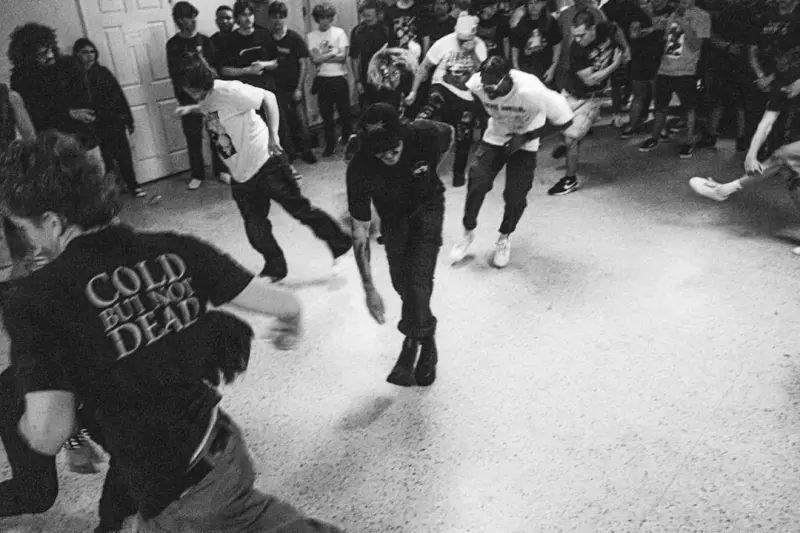
When Beats Meet Feet: The Rise of Rhythm‑Driven Workouts
Nikki reveals the science behind rhythm‑driven training, shares a step‑by‑step guide for build... Read More
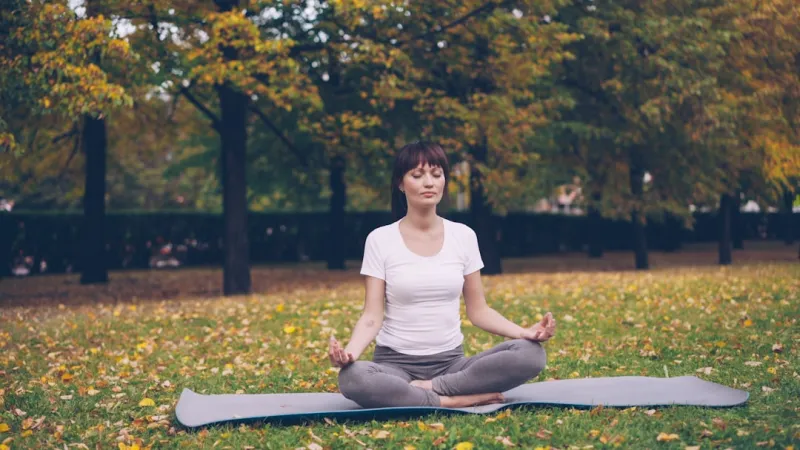
Mindful Movement: The Fitness Trend That Merges Sweat With Serenity
Explore the rise of mindful movement, a fitness trend that fuses breath work, balanced workouts, and... Read More

Turning City Streets into a Personal Fitness Lab
Learn how to transform sidewalks, stairs, and parks into a personal fitness laboratory, boosting mov... Read More
Top Posts

When Night Turns Violent: Understanding and Healing Sleep Terrors
Discover why sleep terrors happen, how they affect your life, and practical holistic methods to soothe the night and restore peaceful sleep....Read More

Designing a Sleep Sanctuary: How Your Bedroom Can Quiet the Mind
Learn practical steps to turn your bedroom into a calming sleep sanctuary—covering lighting, colors, sound, temperature, tech habits, and personal rituals for...Read More

Embracing a Holistic Pregnancy Journey: Listening to Your Body and Nurturing Your Soul
A heartfelt guide to holistic pregnancy, sharing nutrition, movement, sleep, and community tips that empower expectant mothers to honor their bodies and nurture...Read More
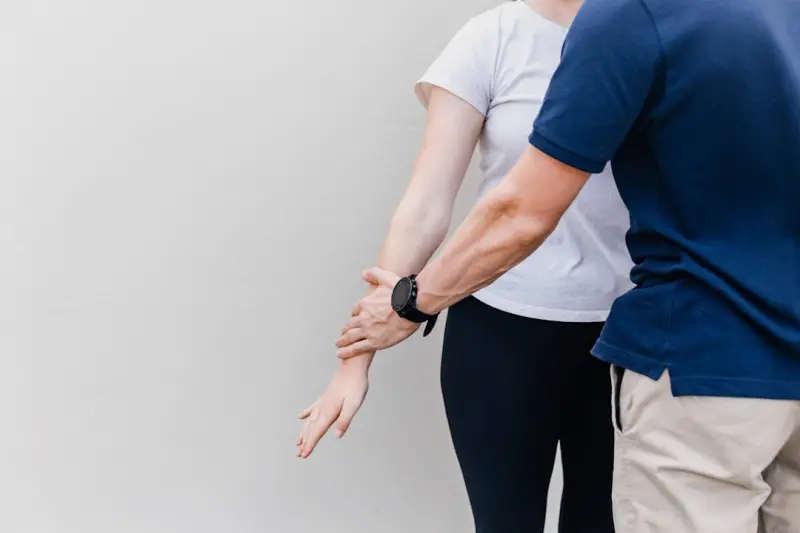
AI‑Driven Home Physio: How Smart Coaching is Redefining Recovery
AI‑driven home physiotherapy turns every living room into a smart rehab studio, offering instant feedback, gamified challenges, and data that unlocks better o...Read More
0 Comments
Post Comment
You will need to Login or Register to comment on this post!