

When I first walked into a farmer’s market with a notebook in hand, I wasn’t looking for the latest super‑food trend or a glossy Instagram recipe. I was hunting for the stories hidden in the colors, textures, and aromas of the produce stalls. What I discovered was a language of nutrition that speaks directly to our nervous system, our work rhythms, and even our creativity. In today’s fast‑paced, screen‑filled world, the foods we choose can be the quiet allies that sharpen focus, stabilize mood, and sustain the stamina we need for those long‑hour brainstorms.
Why Nutrition Isn’t Just About Calories Anymore
Traditional diet advice often reduces food to a simple equation: calories in vs. calories out. While energy balance is a piece of the puzzle, it ignores the nuanced conversation happening between the foods on our plate and the billions of cells that interpret those signals. Modern nutrition research now highlights three core pathways that determine how a meal influences us:
- Neuro‑chemical signaling – The amino acids, vitamins, and minerals we ingest become the raw materials for neurotransmitters like dopamine, serotonin, and GABA.
- Hormonal modulation – Certain foods trigger the release of hormones such as insulin, cortisol, and ghrelin, which regulate hunger, stress, and energy distribution.
- Cellular resilience – Antioxidants, polyphenols, and phytochemicals fortify mitochondria, the power plants of our cells, helping us stay alert and recover faster from mental fatigue.
Understanding these pathways empowers us to move beyond “eat less, move more” and toward a more intentional culinary strategy that aligns with our professional goals.
The Palette of Mood: Harnessing Plant Pigments for Emotional Balance
Ever notice how a bright orange carrot can lift your spirits, while a deep violet beet feels grounding? The secret lies in plant pigments—carotenoids, anthocyanins, and chlorophyll—each carrying unique bioactive compounds.
Carotenoids (found in carrots, sweet potatoes, and apricots) are precursors to vitamin A and support the production of melatonin, the sleep hormone that also influences mood cycles. Adding a splash of orange or yellow to your lunch can subtly enhance optimism and mental clarity.
Anthocyanins (the deep reds and blues in berries, red cabbage, and purple potatoes) are powerful antioxidants that cross the blood‑brain barrier, reducing oxidative stress that is linked to anxiety and depressive symptoms. A handful of blueberries in the morning can act as a natural mood stabilizer.
Chlorophyll (the green pigment in leafy greens) has detoxifying properties that bind to heavy metals and aid in liver function. A vibrant green smoothie not only supports physical detox but also promotes a sense of freshness and mental reset.
By intentionally incorporating a spectrum of colors into each meal, you create a “nutritional rainbow” that feeds both body and mind.
Building a Neuro‑Fuel Breakfast Routine
Most of us treat breakfast as an afterthought, grabbing a coffee and a pastry on the way out the door. But the first meal of the day sets the tone for neurotransmitter synthesis and hormone release that will shape our cognitive performance for the next 8‑10 hours.
Here’s a template I use when I need a brain‑boosting start:
- Protein base (15‑20 g): Greek yogurt, egg whites, or a plant‑based protein shake provides the amino acids necessary for dopamine and norepinephrine production.
- Complex carbohydrate (30‑40 g): Steel‑cut oats or quinoa release glucose slowly, preventing the mid‑morning crash that hampers focus.
- Healthy fat (10‑15 g): A spoonful of almond butter or a few slices of avocado supply omega‑3s and omega‑6s that support neuronal membrane fluidity.
- Colorful micronutrient boost: A handful of mixed berries (anthocyanins), a few slices of orange (carotenoids), or a sprinkle of spirulina (chlorophyll) to round out the nutrient profile.
This combination stabilizes blood sugar, fuels neurotransmitter production, and sustains mental energy without the jittery peaks associated with high‑sugar breakfasts.
Strategic Snacking for the Remote Work Lifestyle
Working from a home office often blurs the line between “work time” and “snack time.” The key is to select snacks that support sustained cognition rather than quick spikes.
Nut‑butter & seed crackers: Pair almond butter (magnesium, vitamin E) with crackers made from flaxseed and chia. The fiber slows digestion, while the healthy fats maintain steady glucose levels.
Fermented veggies: A small serving of kimchi or sauerkraut provides probiotics that influence the gut‑brain axis, a topic explored in depth in The Microbiome’s Secret Role in Remote Work Resilience. The short‑chain fatty acids produced by these microbes help regulate mood and stress responses.
Dark chocolate (70%+ cacao): A couple of squares deliver flavonoids that improve blood flow to the brain and enhance focus. Pair with a handful of walnuts for added omega‑3s.
By treating snacks as mini‑meals that contain protein, fiber, and a dash of healthy fat, you keep your brain’s fuel tank topped off without the crash.
Mid‑Day Meal: Balancing Energy for the Afternoon Slump
The notorious “afternoon slump” is often a result of a carbohydrate‑heavy lunch that spikes insulin and then crashes. To avoid this, design your midday plate with a 40‑30‑30 macronutrient split (carbs‑protein‑fat) and a strong emphasis on low‑glycemic, fiber‑rich foods.
Example plate:
- Base: A quinoa and lentil salad (complex carbs, plant protein, fiber).
- Protein: Grilled salmon or tempeh, providing omega‑3 fatty acids critical for neuronal signaling.
- Veggies: Roasted Brussels sprouts and beetroot (anthocyanins) drizzled with lemon‑infused olive oil (healthy fat, vitamin C).
This combination ensures a slow, steady release of glucose while delivering the essential fatty acids and micronutrients needed for sustained concentration.
Evening Eats: Supporting Recovery and Sleep Without Compromise
Even though we’re focusing on nutrition for performance, the body’s recovery phase—especially sleep—is where the real gains are consolidated. Evening meals should promote calm, aid digestion, and supply the building blocks for repair.
Key components for a restorative dinner:
- Tryptophan‑rich foods (turkey, pumpkin seeds, tofu) boost serotonin, the precursor to melatonin.
- Magnesium sources (spinach, almonds, black beans) relax muscles and calm the nervous system.
- Low‑glycemic carbs (sweet potatoes, wild rice) provide a gentle insulin response that supports the uptake of tryptophan into the brain.
A simple dinner could be a baked sweet potato topped with a chickpea‑spinach sauté, finished with a sprinkle of toasted pumpkin seeds. Pair with a calming herbal tea, such as chamomile or lemon balm, to further signal the body that it’s time to wind down.
Hydration: The Unsung Hero of Cognitive Function
Dehydration is a silent performance killer. Even a 2% loss in body water can impair attention, short‑term memory, and reaction time. The solution isn’t just “drink more water”—it’s to infuse your fluids with electrolytes and micronutrients.
Try these hydration hacks:
- Electrolyte‑rich water: Add a pinch of sea salt, a squeeze of lemon, and a splash of coconut water to a glass of still water.
- Herbal infusions: Brew hibiscus tea (rich in antioxidants) and chill it for a refreshing, low‑caffeine beverage.
- Vegetable smoothies: Blend cucumber, celery, a small apple, and a pinch of ginger for a hydrating, nutrient‑dense drink.
Keeping hydration intentional ensures that the brain’s electrical signaling remains crisp and that nutrients are efficiently delivered to cells.
Detoxify Without the Hype: Practical Steps for Cellular Clean‑Up
Many “detox” programs promise rapid cleansing but often rely on extreme calorie restriction or laxatives that can disrupt gut health. A sustainable approach focuses on supporting the body’s natural detox pathways—liver, kidneys, skin, and the gut.
Incorporate these daily habits:
- Cruciferous vegetables (broccoli, kale, cauliflower) activate the liver’s phase‑II detox enzymes.
- Fiber‑rich fruits (apples, pears, berries) bind toxins in the digestive tract and promote regular elimination.
- Cold‑water showers stimulate circulation and support skin detoxification through sweat.
- Gentle movement: A 20‑minute walk after meals aids lymphatic flow and supports renal clearance.
For a deeper dive into unconventional detox pathways, see Resetting Your Body: Unconventional Paths to Natural Detox. The emphasis is on consistency, not crash‑diet extremes.
Putting It All Together: A Sample 24‑Hour Nutrition Blueprint
Below is a practical schedule that integrates the principles discussed, designed for professionals who spend most of their day at a desk or in virtual meetings.
| Time | Meal / Snack | Key Nutrients & Why |
|---|---|---|
| 07:00 | Neuro‑Fuel Breakfast (Greek yogurt, steel‑cut oats, mixed berries, almond butter) | Protein for neurotransmitters, complex carbs for steady glucose, antioxidants for mood. |
| 10:00 | Snack (Almond butter on flaxseed crackers + a few slices of orange) | Healthy fats for brain cell membranes, carotenoids for optimism. |
| 12:30 | Mid‑Day Meal (Quinoa‑lentil salad, grilled salmon, roasted Brussels sprouts & beetroot, olive‑lemon dressing) | Balanced macros, omega‑3s for neuronal health, anthocyanins for stress reduction. |
| 15:00 | Snack (Kimchi, dark chocolate, walnuts) | Probiotics for gut‑brain axis, flavonoids for blood flow, omega‑3s for cognition. |
| 18:30 | Dinner (Baked sweet potato, chickpea‑spinach sauté, pumpkin seeds, chamomile tea) | Tryptophan & magnesium for sleep, low‑glycemic carbs for steady insulin. |
| 20:00 | Hydration (Electrolyte water with lemon) | Maintains neuronal signaling, supports overall cellular function. |
Adjust portion sizes to match your individual energy needs, but keep the core principles—colorful micronutrients, balanced macros, and mindful hydration—consistent.
Final Thoughts: Nutrition as a Strategic Business Tool
When you start viewing your meals as data points that influence cognitive bandwidth, emotional resilience, and physical stamina, nutrition transforms from a daily chore into a competitive advantage. You no longer ask, “What should I eat?” but rather, “What should I fuel my next breakthrough with?” By curating a diet that supports neurotransmitter health, hormonal balance, and cellular repair, you set the stage for sharper focus, deeper creativity, and sustained energy—all while honoring the pleasure of eating.
Take a moment this week to audit your plate. Add a splash of color, swap a processed snack for a fermented bite, and notice how your mind responds. Small, intentional tweaks compound over time, turning everyday meals into the silent engines that power your most ambitious ideas.

Jessica Hall is a dynamic freelance writer based in the vibrant city of London, Ontario. As a dedicated single mom, she expertly juggles the demands of parenthood with her passion for storytelling, crafting compelling narratives that resonate with readers. With a background in retail, Jessica brings a unique perspective to her writing, infusing her work with insights drawn from her experiences
Related Posts

The Power of When: Mastering Meal Timing for Better Health
Learn why the timing of your meals can be as crucial as what you eat, with actionable strategies to ... Read More
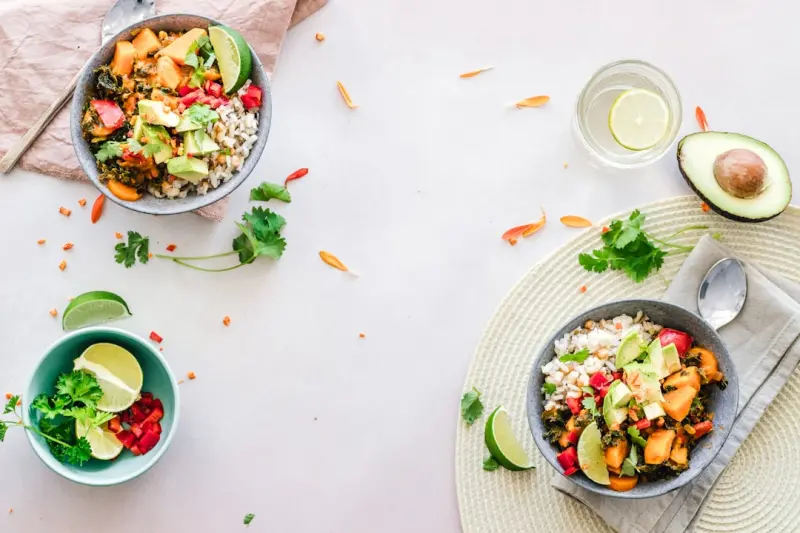
Fueling Creative Flow: Nutrition Strategies for the Modern Knowledge Worker
Explore a performance‑oriented nutrition framework—balanced macros, timed fuel, brain‑food sta... Read More

The Architecture of Flavor: Building Meals That Shape Your Day
Treat your plate like a blueprint: balance macros as foundations, layer micronutrients as flow, and ... Read More
Top Posts

A Mom’s Guide to Building Sleep Hygiene for Your Newborn
Learn how to create a calming bedtime ritual, optimize your baby’s sleep environment, and reduce night wakings with simple, science‑backed steps from a mom ...Read More

The Importance of Sleep in Seniors' Health: A Holistic Approach
Sleep is essential for physical and mental health in seniors. Learn about the impact of sleep on health, common sleep disorders, and holistic approaches to prom...Read More
Listening to the Quiet Organ: A Mindful Journey into Liver Health
A personal guide to liver wellness that blends mindfulness, micro‑movements, and chrono‑nutrition, offering practical steps to support the liver’s natural...Read More

Why Your Smile Is the Secret Weapon for a Sharper Mind
A fresh look at brain health reveals that maintaining good oral hygiene and healthy gums can reduce neuroinflammation, support neurotransmitter balance, and imp...Read More
0 Comments
Post Comment
You will need to Login or Register to comment on this post!