
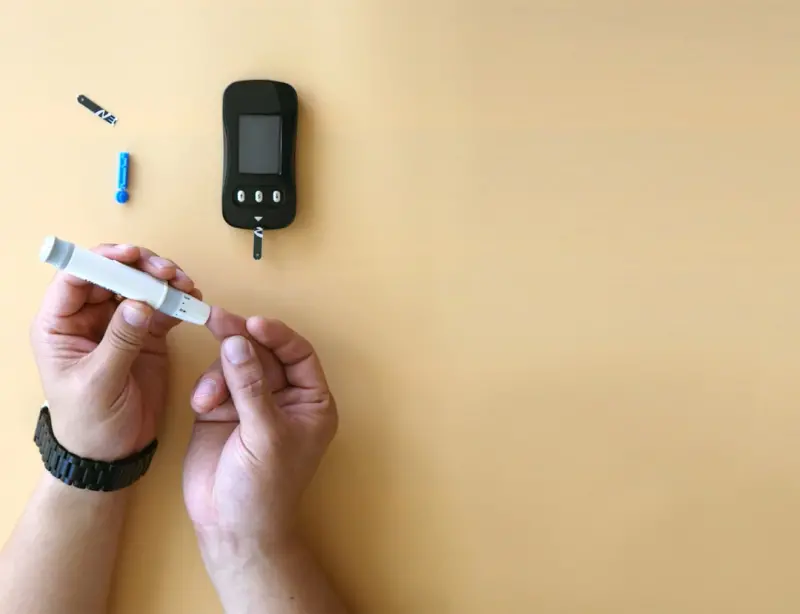
Why Prediabetes Deserves a Fresh Conversation
When I first heard the term “prediabetes,” I pictured a vague medical footnote—something that lived in lab reports and annual check‑ups, far from the hustle of my daily life. But the reality is far more immediate. It’s a signal that your body’s sugar‑handling machinery is humming a little off‑key, and if you don’t tune it back, the melody can quickly turn into a full‑blown metabolic storm.
In this piece, I’m pulling back the curtain on the everyday levers you can shift, not through drastic diets or endless cardio, but through a series of intentional, bite‑sized experiments that weave into your existing routine. Think of it as a laboratory for your own health, where each hypothesis is low‑risk, high‑reward, and backed by the kind of data that feels less like a prescription and more like a personal playbook.
Reframing the Numbers: From “Bad” to “Actionable”
The diagnostic thresholds for prediabetes—fasting glucose 100‑125 mg/dL or an A1C between 5.7 % and 6.4 %—feel clinical, but they’re also a roadmap. Instead of viewing them as a judgment, treat them as a GPS coordinate that tells you where you are on the glucose landscape. The moment you acknowledge the reading as a data point, you gain the agency to move.
What’s powerful about this reframing is that it removes the shame that often accompanies “borderline” health labels. It invites curiosity: What lifestyle variables are nudging that number upward? Which habits are already pulling it down? The answers lie in the micro‑choices you make from the moment you sip coffee to the way you stand at your desk.
Micro‑Fuel: Rethinking What You Put on the Plate
Most nutrition advice for prediabetes screams “cut carbs” or “go low‑glycemic.” While carbohydrate quality matters, the conversation can be richer. Imagine your meals as a series of fuel blocks, each with its own burn rate and after‑effects. By focusing on the quality and timing of those blocks, you can smooth the spikes that tax your insulin response.
Here’s a quick experiment you can run at home:
- Identify your “carb anchor.” Choose one carbohydrate source you eat daily—say, a slice of toast, a banana, or a handful of rice.
- Pair it with protein and healthy fat. Add a smear of almond butter, a hard‑boiled egg, or a few slices of avocado. This combo slows digestion, turning a rapid glucose surge into a steadier release.
- Track your energy. Over the next week, note any changes in mid‑day slump, cravings, or how you feel after lunch. You’ll often find that the same carb, when balanced, no longer sends you on a rollercoaster ride.
These adjustments are not about eliminating foods you love; they’re about redesigning the context in which they appear. When you treat each bite as a building block in a larger energy architecture, the overall picture becomes clearer.
The Power of Movement in Small Doses
If you’ve ever felt that a full workout is a mountain you can’t climb during a busy workday, you’re not alone. The myth that you need a one‑hour sweat session to make a difference is being challenged by emerging evidence on “micro‑exercises.” These are brief, purposeful bursts of activity that you can slip into meetings, phone calls, or even while waiting for your coffee to brew.
Consider incorporating quick desk micro‑exercises into your schedule. For example, every time you finish a paragraph in an email, stand, stretch your arms overhead, and do 10 calf raises. Over the course of a day, these moments add up to a substantial calorie burn and, more importantly, improve insulin sensitivity by keeping muscles gently engaged.
Why does this matter for prediabetes? Muscles are the primary sink for glucose when they contract, even lightly. By creating regular, low‑intensity contractions, you give your cells more opportunities to absorb glucose without relying solely on insulin. The result? A gentler demand on your pancreas and a steadier blood sugar profile.
Stress, Sleep, and the Silent Triad
When we talk about prediabetes, the conversation often circles back to diet and exercise, but stress and sleep are the unseen architects of glucose regulation. Chronic cortisol elevation (the stress hormone) can drive the liver to release more glucose, while fragmented sleep messes with the hormones that dictate hunger and satiety.
One practical technique that has helped me is a “wind‑down ritual” that doesn’t involve screens. I set a 20‑minute window before bed where I dim the lights, sip a warm herbal tea, and write down three things that went well that day. This habit not only calms the nervous system but also creates a consistent bedtime cue, which in turn improves sleep continuity.
Pair this ritual with a brief mindfulness pause after stressful meetings. Even a single minute of focused breathing can lower cortisol spikes, making it easier for your body to keep glucose levels in check the next day.
Building a Personal “Superfood” Toolkit
While the term “superfood” can feel overhyped, there’s value in curating a handful of nutrient‑dense options that consistently show up in research for their blood‑sugar‑stabilizing properties. Think of it as a personal pantry of allies.
My go‑to list includes:
- Leafy greens – packed with magnesium, a mineral linked to improved insulin action.
- Berries – low in sugar but high in fiber and antioxidants.
- Legumes – beans and lentils provide plant protein and a slow‑release carbohydrate profile.
- Nuts and seeds – healthy fats that blunt post‑meal glucose spikes.
- Fermented foods – yogurt, kimchi, and kombucha support gut microbes that influence glucose metabolism.
To make these foods a regular part of your diet, I recommend a “rotate‑and‑restock” system: each week, focus on one or two items, experiment with new recipes, and then cycle to the next. This prevents fatigue and keeps your palate excited.
If you’re looking for deeper inspiration, check out this guide on building a personal superfood collection. It walks you through how to align food choices with your specific metabolic needs.
Data‑Driven Self‑Monitoring Without Obsession
One of the biggest fears around prediabetes is the temptation to become a slave to numbers. Glucose meters and continuous monitors can be empowering, but they can also trigger anxiety if used compulsively.
My approach is a “windowed check‑in.” I set a schedule of two readings per week—one fasting, one post‑meal—record them in a simple spreadsheet, and look for trends over a month rather than daily fluctuations. This method offers enough feedback to adjust habits without turning health into a constant alarm system.
Couple this data with a journal of sleep quality, stress levels, and dietary tweaks. Over time, you’ll start seeing patterns: perhaps a late‑night snack correlates with higher fasting numbers, or a particular morning walk consistently lowers your post‑breakfast glucose. These insights become actionable levers you can pull.
Social Support: Turning Conversation into Collaboration
Prediabetes can feel like a solitary journey, but involving your community can amplify results. Share your micro‑experiment goals with a coworker or a friend—maybe you both commit to the same “protein‑paired carb” rule for a month. Use a shared note app to log successes and challenges. The accountability factor adds a subtle but powerful layer of motivation.
Even in remote settings, you can create a “wellness channel” where participants post quick wins, recipe ideas, or a snapshot of a desk stretch. The collective energy shifts the focus from individual burden to shared discovery.
When to Seek Professional Guidance
All the self‑experimentation in the world cannot replace a qualified healthcare professional’s expertise, especially if your numbers are edging toward the diabetes threshold. Schedule a conversation with your primary care provider to discuss:
- Whether medication or supplements might be appropriate.
- Any underlying conditions that could be influencing glucose control.
- Tailored testing, such as an oral glucose tolerance test, for a clearer picture.
Use your self‑collected data as a conversation starter. Bringing concrete observations to the appointment demonstrates engagement and can help your provider tailor recommendations more precisely.
Putting It All Together: A 30‑Day Blueprint
To make the concepts tangible, here’s a simple 30‑day roadmap you can follow. Feel free to adjust the timeline to fit your schedule.
- Week 1 – Baseline & Awareness
- Take two glucose readings (fasting and post‑meal).
- Begin the wind‑down ritual before bedtime.
- Introduce one micro‑exercise after each meeting.
- Week 2 – Food Pairing Experiment
- Select a daily carb anchor and pair it with protein/fat.
- Log energy levels and cravings.
- Week 3 – Superfood Integration
- Add two items from the personal superfood list to your meals.
- Rotate one new recipe each day.
- Week 4 – Review & Adjust
- Re‑measure glucose, compare to baseline.
- Identify which micro‑exercises felt most natural.
- Share findings with a friend or colleague.
At the end of the month, you’ll have a data‑backed sense of what works for you, a set of habits that feel sustainable, and perhaps most importantly, a shift in mindset—from reacting to a label to proactively shaping your metabolic future.
Looking Ahead: The Long‑Term Vision
Prediabetes is not a static destination; it’s a checkpoint that invites you to reassess the relationship between your body, environment, and daily choices. By embracing micro‑adjustments, tracking wisely, and leaning on a supportive community, you can transform that checkpoint into a launchpad for lasting health.
Remember, the goal isn’t perfection—it’s progress. Each small decision, whether it’s a mindful bite, a brief stretch, or a calming breath before sleep, compounds over time. And in that compounding lies the greatest ally against the slide into full‑blown diabetes.

Nikki McDonald is a freelancer based in Waterloo. She brings her skills and expertise to various projects, balancing her professional work with a personal life that includes her husband, Stewart.
Related Posts

Micro‑Shifts for Prediabetes: A Practical Playbook for Everyday Balance
Learn how tiny, sustainable changes—from kitchen tweaks and micro‑movements to sleep hygiene and... Read More

Micro‑Momentum: Tiny Wins to Defeat Prediabetes
Discover a practical, science‑backed framework of micro‑habits—quick movement bursts, smart sn... Read More
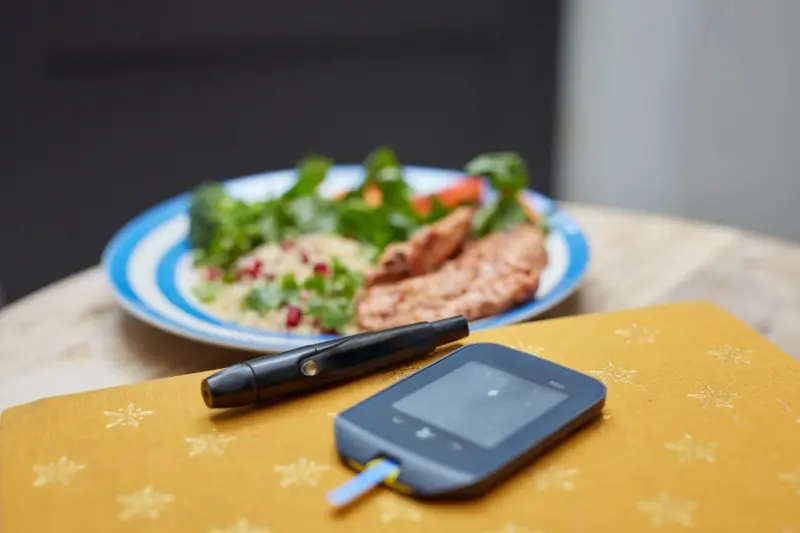
Turning Prediabetes Into a Launchpad for Everyday Wellness
A candid, step‑by‑step journey from prediabetes diagnosis to daily wellness habits that empower ... Read More
Top Posts

The Nighttime Reset: Playful Experiments to Transform Insomnia
Treat insomnia as a sandbox for experiments. Track key variables, try low‑effort tweaks like light filters, temperature drops, and micro‑rituals, then itera...Read More
The Future of Health Insurance: How Mental Health and Preventive Care Are Revolutionizing the Industry
The health insurance industry is undergoing a significant transformation, driven by the growing awareness of mental health and preventive care. Learn how this s...Read More

Playful Aging: How Lighthearted Movement Rewrites the Aging Narrative
A fresh take on healthy aging, this article shows how integrating playful movement into daily life can enhance brain health, physical resilience, and social con...Read More
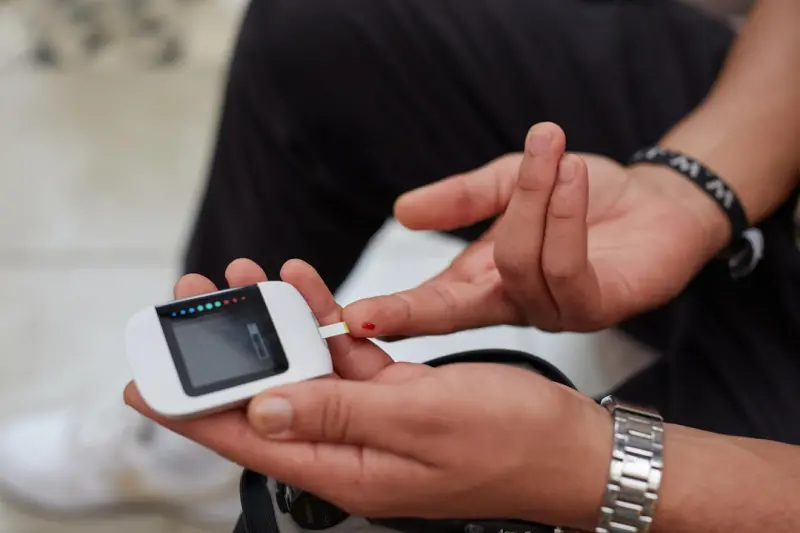
Glucose Guardian: Tiny Daily Actions that Stabilize Blood Sugar Without a Diet Overhaul
Learn the three‑part “Glucose Guardian” system that blends fiber‑first meals, post‑meal walks, and mindful check‑ins, plus gut health tips and commu...Read More
0 Comments
Post Comment
You will need to Login or Register to comment on this post!