
Imagine walking into your kitchen each morning and feeling the quiet confidence that comes from knowing every bite you take is a strategic ally for the trillions of microbes living inside you. This isn’t a vague wellness buzzword; it’s a deliberate practice of choosing seasonal, fiber‑rich foods that act like premium fuel for your gut ecosystem, turning everyday meals into a subtle act of self‑care. By aligning your plate with nature’s calendar, you invite diversity, resilience, and a deeper sense of connection to the world around you, all while enjoying flavors that feel both fresh and familiar.
Why the Microbiome Deserves a Seasonal Spotlight
The gut microbiome functions like a bustling city, where each microbe has a role in digestion, immunity, and even mood regulation, yet its stability hinges on the variety of nutrients it receives. Research shows that diets dominated by a narrow range of foods can lead to reduced microbial diversity, which in turn correlates with inflammation and metabolic hiccups. Embracing seasonal produce naturally expands that dietary spectrum, offering a rotating menu of prebiotic fibers, polyphenols, and phytochemicals that keep the microbial community thriving.
Seasonal Diversity as a Prebiotic Powerhouse
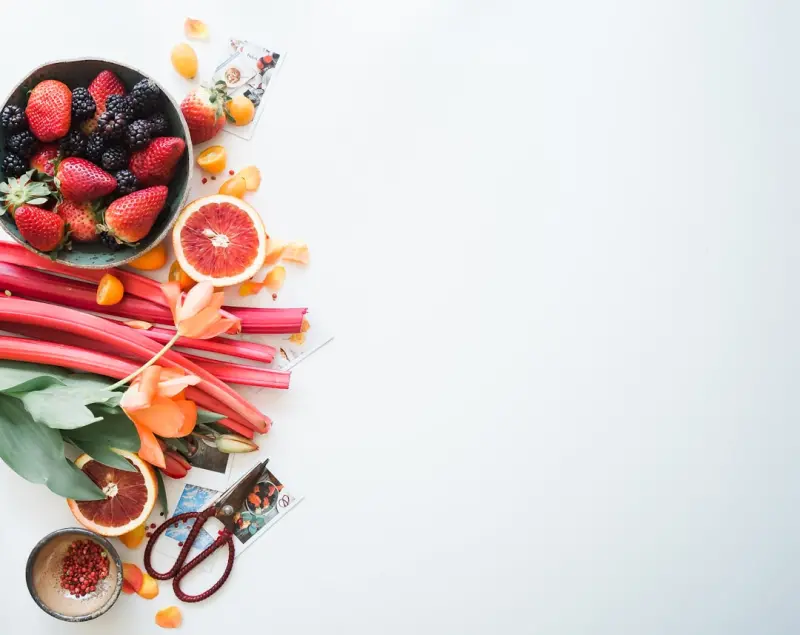
When you shop in sync with the seasons, you tap into a pantry of vegetables, fruits, and herbs that each bring unique fermentable fibers to the table—think of the inulin in winter artichokes, the resistant starch in autumn sweet potatoes, and the pectin in spring berries. These fibers travel undigested to the colon, where they become feast for beneficial bacteria, prompting them to produce short‑chain fatty acids that support gut barrier integrity and reduce systemic inflammation. By rotating your grocery list throughout the year, you prevent the microbiome from falling into a nutritional rut and encourage a vibrant microbial tapestry.
Strategic Food Pairings for Microbial Synergy
Beyond simply choosing seasonal items, pairing them thoughtfully can amplify their prebiotic impact. For example, combining roasted root vegetables with a drizzle of apple cider vinegar introduces both soluble fiber and organic acids that help lower the gut pH, creating a more hospitable environment for lactobacilli. Adding a handful of raw nuts or seeds to a warm grain bowl supplies healthy fats and micronutrients that support microbial membrane health, while also slowing digestion to give fibers more time to ferment.
Building a Microbe‑Friendly Plate
Start each meal with a base of whole grains or legumes, then layer on a rainbow of seasonal vegetables, and finish with a modest portion of fermented or probiotic‑rich foods such as kimchi or yogurt. This three‑step structure ensures you get a balanced mix of prebiotic fibers, live cultures, and supporting nutrients. A quick tip: aim for at least three distinct colors on your plate, as each hue signals a different class of phytonutrients that feed various bacterial strains, fostering a more resilient gut community.
Cooking Techniques That Preserve Prebiotic Integrity
Over‑cooking can break down the delicate fiber structures that microbes love, so consider methods like steaming, quick sautéing, or raw preparations to retain maximum prebiotic content. Lightly roasting root vegetables at a moderate temperature (around 375°F) caramelizes sugars without shredding the fiber matrix, striking a balance between flavor and nutritional benefit. When you do need to soften tougher greens, a brief blanch in salted water followed by an ice‑water shock preserves both texture and the valuable soluble fibers.
Herbs, Spices, and Microbial Mood‑Boosters
Seasonal herbs such as rosemary, thyme, and basil are more than aromatic add‑ons; they contain polyphenols that act as antimicrobial regulators, suppressing harmful bacteria while encouraging beneficial ones. A pinch of turmeric or a sprinkle of cinnamon can further modulate gut inflammation, thanks to their anti‑oxidant properties, creating a synergistic effect when paired with fiber‑rich foods. Experiment with herb‑infused oils or spice rubs to elevate both taste and the microbiome‑supporting profile of your dishes.
Integrating the Practice Into Daily Life
Making seasonal, microbiome‑focused meals a habit doesn’t require a radical lifestyle overhaul—small, consistent actions can create lasting change. Set a weekly “farmers‑market day” to explore what’s fresh, then plan your meals around those finds, using a simple spreadsheet or a phone note to track which prebiotic foods you’ve included. For deeper insight, you might explore sensory nutrition techniques that heighten awareness of texture and flavor, turning each bite into a mindful, gut‑friendly experience.
Closing Thoughts: A Seasonal Symphony for Your Gut
By honoring the natural rhythm of the earth and pairing it with purposeful food combinations, you give your microbiome the variety it craves, supporting digestion, immunity, and even emotional balance. The beauty of this approach lies in its adaptability—whether you’re a busy professional or a culinary novice, the seasonal framework offers endless creativity without sacrificing convenience. Ready to let the seasons guide your nutrition? Start today, and let every meal become a note in the harmonious symphony of your gut health.

Kelly Reynolds is a dynamic freelance writer hailing from the picturesque landscapes of Alberta. A master of the written word, she juggles her passion for storytelling with the exhilarating chaos of being a mother to five spirited children. With an impressive portfolio that spans various genres, Kelly captivates readers through her engaging blog posts and thought-provoking articles.
Related Posts

Fueling Creativity: How Nutrient Timing Supercharges Your Workday
Learn to align your eating schedule with your brain’s natural rhythms, using strategic snacks and ... Read More
Holistic Nutrition for Modern Life: Brandy Miller’s Fresh Perspective
Brandy Miller shares a fresh, holistic take on nutrition—linking gut health, stress, and seasonal ... Read More

Fermented Food Frontier: Unlocking Flavor, Health, and Sustainability
Discover the science behind fermentation, top probiotic-rich foods, DIY tips, and how incorporating ... Read More
Top Posts

The Unconventional Blueprint: Turning Everyday Curiosity into Sustainable Weight Loss
A fresh take on shedding pounds, this post invites readers to replace strict dieting with a curiosity‑driven mindset, using micro‑experiments, sensory eatin...Read More

Finding Balance Among the Trees: Forest Bathing for Women’s Hormonal Health
Forest bathing offers women a natural way to lower cortisol, improve menstrual regularity, ease PMS, and support perimenopausal health. Learn the science, pract...Read More

The Quiet Revolution: How Intentional Silence Fuels Longevity
Intentional silence isn’t just a mental break—it’s a powerful longevity tool. Learn the science behind quiet moments, practical routines, and how pairing ...Read More

Stable Blood Sugar: The Unseen Edge for High Performers
A deep dive into why stable blood sugar is a hidden strategic advantage for leaders, featuring actionable tips, workplace design ideas, and a 7‑day reset plan...Read More
0 Comments
Post Comment
You will need to Login or Register to comment on this post!