
The Quiet Revolution in Sleep Apnea Care
When I first encountered sleep apnea in a boardroom discussion, the conversation was dominated by CPAP machines, nighttime masks, and the occasional sigh of resignation. Over the past few years, however, I’ve watched a subtle but powerful shift: technology that once seemed reserved for elite athletes or experimental labs is now slipping into the daily routines of professionals who simply want to breathe easier at night. This isn’t a hype‑driven fad; it’s a data‑rich, AI‑powered transformation that’s redefining how we detect, monitor, and even prevent the condition.
From Reactive to Proactive: The New Paradigm
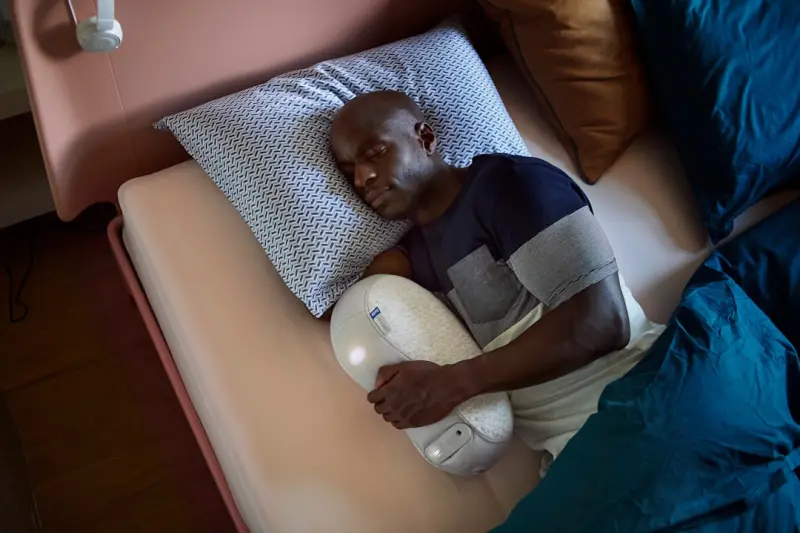
Traditional sleep apnea management has been largely reactive—diagnose the problem after a night of snoring, prescribe a device, and hope for compliance. What if we could flip that script? Imagine waking up feeling refreshed because a smartwatch alerted you to subtle breathing irregularities before they escalated into full‑blown apneas. That’s the promise of AI‑enhanced wearables, which continuously analyze respiratory patterns, heart rate variability, and even ambient room conditions. The moment an anomaly is detected, a gentle vibration or a smartphone notification nudges you toward a corrective action—perhaps adjusting your pillow angle, trying a breathing exercise, or scheduling a tele‑consult.
Why Wearables Are a Game‑Changer for Sleep Apnea
Wearable technology brings three critical capabilities to the table:
- Continuous Monitoring: Unlike a one‑time sleep study, devices can track night‑after‑night data, revealing trends that static snapshots miss.
- Contextual Awareness: Modern sensors capture temperature, humidity, and even ambient noise, helping us understand how the environment contributes to airway collapse.
- AI‑Driven Insight: Machine‑learning models sift through terabytes of data to flag patterns that would elude even seasoned clinicians.
These capabilities collectively empower users to act before an episode becomes disruptive, shifting sleep apnea from a chronic “manage it” mindset to a dynamic “optimize it” approach.
The Data Engine Behind the Magic
At the heart of this revolution lies a sophisticated data pipeline. Raw signals—oxygen saturation (SpO₂), respiratory effort, and heart rhythm—are streamed to cloud platforms where AI algorithms perform real‑time classification. The models have been trained on millions of annotated sleep studies, enabling them to differentiate between mild hypopneas and severe apneas with remarkable accuracy. Importantly, the same infrastructure can personalize thresholds based on an individual’s baseline, age, weight, and even genetic predispositions. This level of granularity was unimaginable a decade ago, but it’s now the norm for cutting‑edge sleep tech.
Integrating Wearables with Workplace Wellness
For many of us, the office is the epicenter of daily stress, and that stress often spills into our sleep. Companies that have embraced holistic wellness programs are beginning to see the value of integrating sleep apnea monitoring into their employee health suites. By offering subsidized wearables and providing dashboards that respect privacy, employers can help staff identify sleep disruptions that may be eroding productivity. The result is a virtuous cycle: better sleep leads to sharper focus, which in turn fuels higher engagement and lower absenteeism.
Designing the Sleep‑Friendly Space
Technology alone isn’t enough. The environment you sleep in plays a pivotal role. I often reference Designing Your Environment for Lifelong Vitality when discussing how lighting, temperature, and even the tactile feel of bedding can influence airway patency. A cool, dark room with a low‑level humidifier can reduce the likelihood of airway collapse, while smart thermostats can maintain an optimal temperature without manual adjustments. Pairing these environmental tweaks with wearable insights creates a comprehensive feedback loop: the device tells you when you’re at risk, and your environment responds automatically.
Detoxifying Your Night: A Holistic Perspective
Another layer to consider is the body’s internal detox pathways. Sleep apnea can exacerbate oxidative stress, and chronic inflammation can, in turn, worsen respiratory instability. For a broader view on how to support your system, see Reboot Your System. Strategies such as targeted nutrition, intermittent fasting, and mindful breathing exercises can complement wearable data, creating a multi‑pronged approach that attacks the root causes rather than merely treating symptoms.
Practical Steps to Get Started
If you’re intrigued but unsure where to begin, here’s a straightforward roadmap:
- Choose a Credible Wearable: Look for devices that have FDA clearance or CE marking for sleep monitoring and provide raw data access.
- Set Baseline Metrics: Wear the device for at least two weeks without any intervention to establish your natural breathing patterns.
- Leverage AI Insights: Enable the app’s AI feature to receive personalized alerts and actionable recommendations.
- Optimize Your Sleep Space: Apply environmental principles—dark curtains, cool temperature, low‑level white noise—to create a supportive setting.
- Incorporate Lifestyle Adjustments: Experiment with evening routines such as gentle yoga, reduced screen time, and a balanced diet that supports airway health.
- Engage with Professionals: Share your aggregated data with a sleep specialist; many are now comfortable reviewing wearable logs alongside traditional polysomnography results.
Following these steps transforms a passive consumer of health tech into an active participant in your own respiratory wellness.
The Role of Tele‑Medicine and Remote Coaching
One of the most exciting synergies emerging today is the integration of wearable data with tele‑medicine platforms. Clinicians can now schedule virtual check‑ins where they review your nightly metrics in real time, adjusting treatment plans on the fly. Remote coaching programs, often powered by AI chatbots, can suggest breathing exercises, positional therapy, or even recommend a trial of oral appliances based on trends in your data. This continuous loop of feedback dramatically shortens the time between diagnosis and effective management.
Addressing Common Concerns
Data Privacy: It’s natural to worry about who sees your nightly breathing patterns. Most reputable wearable manufacturers employ end‑to‑end encryption and give you full control over data sharing. Always review the privacy policy and opt‑out of any third‑party analytics you’re uncomfortable with.
Accuracy vs. Clinical Standards: While wearables are impressively precise, they are not a replacement for a formal sleep study when a severe disorder is suspected. Think of them as an early‑warning system that can prompt you to seek professional evaluation sooner rather than later.
Cost: The price point of high‑quality wearables has dropped dramatically. Many employers offer wellness stipends, and some insurance plans now reimburse for devices that demonstrate clinical benefit.
The Future Outlook: From Individual to Community Health
Imagine a world where millions of wearables collectively feed anonymized data into a public health database. Researchers could map regional sleep apnea prevalence, identify environmental risk factors, and tailor community interventions with unprecedented precision. This vision aligns with the broader shift toward population‑level health intelligence, where individual insights scale up to inform policy, urban planning, and even workplace design. As we continue to refine AI models and broaden data access, the line between personal health and public good will blur in ways that benefit everyone.
Closing Thoughts: Embrace the Quiet Power
Sleep apnea has long been a silent disruptor—quietly draining energy, focus, and health. Today, that silence is being broken not by alarms, but by the gentle, data‑driven nudges of AI‑enhanced wearables. By marrying technology with thoughtful environmental design and holistic detox strategies, we can reclaim the restorative power of sleep. The journey starts with a single step: wearing a device that listens to your breath and speaks back with insight. From there, the possibilities are as boundless as the night sky.

Lifan Chen is a freelancer based in Toronto specializing in marketing. With expertise in crafting effective marketing strategies and campaigns, Lifan helps businesses grow their brand presence and reach target audiences. As a Toronto-based freelancer, Lifan combines local market insights with creative marketing skills to deliver tailored solutions for clients.
Related Posts

Breathing New Life into Sleep Apnea Management
Explore a fresh, breath‑focused approach to sleep apnea that blends simple techniques, lifestyle t... Read More

Beyond Snoring: How Sleep Apnea Undermines Workplace Brainpower and What Tech Can Do About It
Sleep apnea silently erodes cognitive function and emotional stability, costing businesses in lost p... Read More

The Hidden Truth About Sleep Apnea: A Holistic Approach to Diagnosis and Treatment
Sleep apnea is a serious sleep disorder that affects millions of people worldwide. Learn how a holis... Read More
Top Posts

Rebooting Your System: A Holistic Body Detox Blueprint
A comprehensive, three‑week detox guide that blends lymphatic movement, skin sweating, gut‑friendly ferments, adaptogens, and grounding to help the body nat...Read More

Rethinking Nicotine: A High‑Performance Playbook for Smokes and Vapes
A data‑driven guide shows how high‑performers can integrate nicotine into a strategic productivity stack, using wearables, digital boundaries, and calibrate...Read More

Crafting Your Prediabetes Narrative: How Storytelling Fuels Change
Discover how framing your prediabetes journey as a personal story can improve adherence, motivation, and outcomes. Learn practical steps to map data, set microâ...Read More

Fueling Creative Flow: Nutrition Strategies for the High‑Performance Mind
A deep dive into practical nutrition strategies—from micronutrient timing and fermented foods to adaptogens and sustainable sourcing—designed to sharpen foc...Read More
0 Comments
Post Comment
You will need to Login or Register to comment on this post!