

When I first stepped onto a gym floor after a year of remote work, the clang of metal and the scent of rubber felt almost alien. I’d spent months optimizing my Zoom backdrop, my inbox filters, and my caffeine schedule—but my muscles had been left on mute. That realization sparked a quest: not just to lift more weight, but to understand how to build muscle in a way that feels sustainable, enjoyable, and aligned with the rest of my life.
Why Traditional Muscle‑Gain Advice Feels Outdated
Most “muscle‑gain” guides start with a list of “eat X grams of protein, lift Y sets, and rest Z minutes.” While those numbers can be useful, they often ignore three critical realities:
- Time scarcity. The modern professional’s schedule is fragmented, making long, uninterrupted training blocks a luxury.
- Stress overload. Chronic cortisol spikes blunt protein synthesis and can sabotage recovery.
- Mind‑body disconnect. When we train mechanically, we miss the neuro‑muscular cues that amplify growth.
In other words, the one‑size‑fits‑all playbook doesn’t honor the nuanced ecosystems we each inhabit.
Introducing the “Integrated Muscle Blueprint”
My answer is an integrated approach that weaves together three pillars: micro‑structured training, contextual nutrition, and mental anchoring. Think of it as a habit‑stacking method for muscle that fits into the ebb and flow of a busy life.
1. Micro‑Structured Training: Small Sessions, Big Gains
Instead of reserving three hour‑long sessions per week, I broke my workouts into 20‑minute “muscle bursts.” These bursts focus on a single movement pattern (e.g., push, pull, hinge) and can be performed with minimal equipment—dumbbells, resistance bands, or even bodyweight.
Why does this work?
- Frequency over volume. Hitting a muscle group 3‑4 times a week with moderate load maximizes protein synthesis windows.
- Neural priming. Short, focused sets keep the nervous system sharp, improving motor unit recruitment.
- Psychological ease. A 20‑minute commitment feels doable, reducing the mental barrier that often stops us from showing up.
Here’s a sample weekly micro‑structure:
- Monday*: Upper‑push (dumbbell bench, overhead press)
- Tuesday*: Lower‑hinge (deadlift variation, kettlebell swing)
- Wednesday*: Upper‑pull (rows, pull‑ups)
- Thursday*: Core & mobility (plank variations, hip‑hinge drills)
- Friday*: Full‑body circuit (combining push/pull/hinge)
Each session ends with a quick 2‑minute stretch, signaling the body to transition into recovery mode.
2. Contextual Nutrition: Eat for the Moment, Not Just the Macro
Protein is still king, but the timing and quality of your meals can be tailored to the day’s demands.
- Pre‑workout micro‑fuel. A 10‑gram whey shake or a handful of almonds 30 minutes before a 20‑minute burst gives you a quick amino boost without feeling heavy.
- Post‑burst recovery. Within 45 minutes, aim for 20‑25 grams of high‑quality protein paired with a modest carb source—think Greek yogurt with berries or a rice cake topped with tuna.
- Stress‑responsive meals. On days when cortisol is high (tight deadlines, intense meetings), prioritize foods rich in magnesium and omega‑3s—spinach, pumpkin seeds, walnuts—to help blunt hormonal interference.
What surprised me most was the power of contextual eating. When a client told me they’d skip dinner because they’d “already eaten enough protein,” I asked about their stress level. Turns out, they were working a 14‑hour shift and needed more electrolytes, not just protein. Adjusting the meal composition solved the fatigue without adding extra calories.
3. Mental Anchoring: The Quiet Power of Focused Intent
One of my favorite discoveries was the impact of a simple mental cue before each set. I call it the “muscle mantra.” It’s a short phrase—like “engage the core” or “drive through the heels”—spoken silently just before the lift.
Research shows that focused attention amplifies motor unit firing, which translates to greater tension and, over time, more hypertrophy. It also creates a mind‑muscle connection that turns a routine lift into an intentional act.
To practice:
- Stand in front of the mirror, set your intention for the upcoming set.
- Take a deep breath, repeat your mantra three times.
- Execute the lift, keeping the mantra in the back of your mind.
It feels odd at first, but after a week it becomes second nature, and you’ll notice a subtle increase in perceived effort and muscle “pump.”
4. Leveraging Environmental Tools (Without Overcomplicating)
While I’m not a fan of over‑engineering my environment, a few simple tools can enhance the micro‑structured approach. A cold shower routine after a workout can reduce inflammation, speeding up recovery without the need for expensive cryotherapy. Similarly, managing ambient light and noise—especially after evening sessions—helps preserve sleep quality, which is paramount for muscle repair.
5. Tracking Progress Without Obsessing Over Numbers
Traditional logbooks focus on weight lifted, sets, and reps. While useful, they can become a source of anxiety. I shifted to a hybrid system:
- Performance snapshots. Capture a short video of your form each week; visual progress is more motivating than a number on a bar.
- Well‑being check‑ins. Rate your energy, sleep quality, and stress on a 1‑5 scale after each workout.
- Body perception. Take monthly photos and note how your clothes fit; muscle gain often shows up in subtle ways.
This approach keeps the focus on holistic growth rather than a single metric.
6. Integrating Rest: The Unsung Hero of Muscle Gain
Many of us think “more training = more muscle.” In reality, the opposite is often true. Your muscles grow while you rest, not while you lift.
Two rest strategies have transformed my routine:
- Active recovery days. Light movement—walking, yoga, or a gentle bike ride—promotes blood flow and clears metabolic waste.
- Digital hygiene before bed. Reducing screen exposure an hour before sleep (see why this matters) helps maintain deep‑sleep cycles, the period when growth hormone peaks.
Putting It All Together: A Week in My Life
Below is a realistic snapshot of how I blend the pillars into a typical week. Feel free to adapt it to your schedule.
- Monday – 20‑minute Upper‑Push Burst: Warm‑up (5 min band pull‑apart), dumbbell bench (3×8), overhead press (2×10), muscle mantra “push through the palms.” Post‑workout Greek yogurt with honey.
- Tuesday – Lower‑Hinge Burst + Cold Shower: Kettlebell swing (4×12), Romanian deadlift (3×8), core plank (2×45 s). Finish with a 2‑minute cold shower.
- Wednesday – Upper‑Pull Burst: Inverted rows (3×10), single‑arm dumbbell row (3×8 each side), band face‑pulls (2×15). Evening walk to unwind.
- Thursday – Mobility & Mindful Stretch: 20‑minute flow focusing on hips and thoracic spine, followed by a 5‑minute meditation on breath.
- Friday – Full‑Body Circuit: Circuit of push‑up, goblet squat, renegade row, and mountain climbers (3 rounds, 45 s each). End with a brief digital detox—no phone after 8 pm.
- Saturday – Optional Outdoor Activity: Hiking, kayaking, or a casual game of soccer—anything that moves you joyfully.
- Sunday – Rest & Reflect: Light stretching, meal prep, and a quick journal entry about how the week felt physically and mentally.
Notice the blend of micro‑training, nutrition tweaks, mental cues, and purposeful rest. This pattern keeps the process fresh and reduces the risk of burnout.
Common Pitfalls and How to Sidestep Them
1. “All‑or‑nothing” mindset. If you miss a micro‑burst, don’t skip the rest of the week. Treat each day as a fresh start.
2. Ignoring stress signals. Elevated stress can mute muscle growth. Incorporate stress‑relief practices—breathing exercises, short walks, or even a quick doodle session.
3. Over‑reliance on supplements. Whole foods deliver synergistic nutrients that isolated powders can’t match. Use supplements sparingly, as an adjunct rather than a foundation.
Final Thoughts: Muscle Gain as a Lifestyle, Not a Sprint
Building muscle is often portrayed as a dramatic transformation—a “before and after” photo. But sustainable strength is a marathon of tiny, consistent actions. By embracing micro‑structured training, contextual nutrition, and mental anchoring, you can sculpt a stronger body without sacrificing the other parts of your life that matter.
Give this blueprint a try for four weeks. Track your performance snapshots, note how your energy feels, and watch the subtle changes accumulate. You might find that the biggest gain isn’t just the added muscle—it’s the confidence that comes from knowing you can integrate growth into the rhythm of your everyday life.

Becky Putman is an Ottawa-based freelance writer and marketing professional with a passion for storytelling, animals, and community involvement. She enjoys creating engaging content that informs, inspires, and connects with readers.
Related Posts

Unlocking Sustainable Muscle Growth: A Data‑Driven Mind‑Body Blueprint
Discover a fresh muscle‑building strategy that goes beyond heavy lifting, integrating data‑drive... Read More

Muscle Gain for the Desk‑Bound Professional: A Real‑World Blueprint
A step‑by‑step guide that shows how busy professionals can achieve real muscle growth by integra... Read More

Micro‑Loading, Tempo, and Recovery: A Fresh Blueprint for Muscle Gain
This article reveals a novel muscle‑gain strategy that combines low‑intensity micro‑loading, p... Read More
Top Posts

Designing Your Birth Space: A Creative Partnership Journey
Learn how to turn pregnancy into a creative partnership by co‑designing your birth space, leveraging strengths, sensory cues, and storytelling for a supportiv...Read More
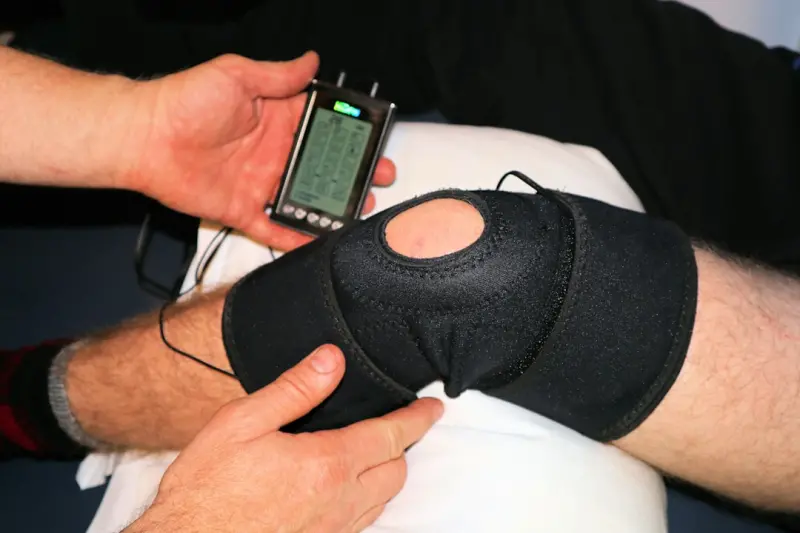
AI‑Powered Physiotherapy: How Smart Tech Is Redefining Recovery
Explore the rise of AI‑powered physiotherapy, where computer vision, smart wearables, and adaptive algorithms deliver personalized, real‑time feedback, blen...Read More

Beyond the Mirror: A Holistic View of Eating Disorders
A personal, holistic guide to overcoming eating disorders, focusing on mind‑body connections, community, and integrative health strategies for sustainable hea...Read More

Straight Up: Why Better Posture Is the Secret Weapon for Men’s Health
Unlock the hidden power of posture for men’s health. Learn science‑backed habits, ergonomic tweaks, and nutrition tips that boost confidence, hormone balanc...Read More
0 Comments
Post Comment
You will need to Login or Register to comment on this post!