
Why Heritage Matters in the Journey Back to Food
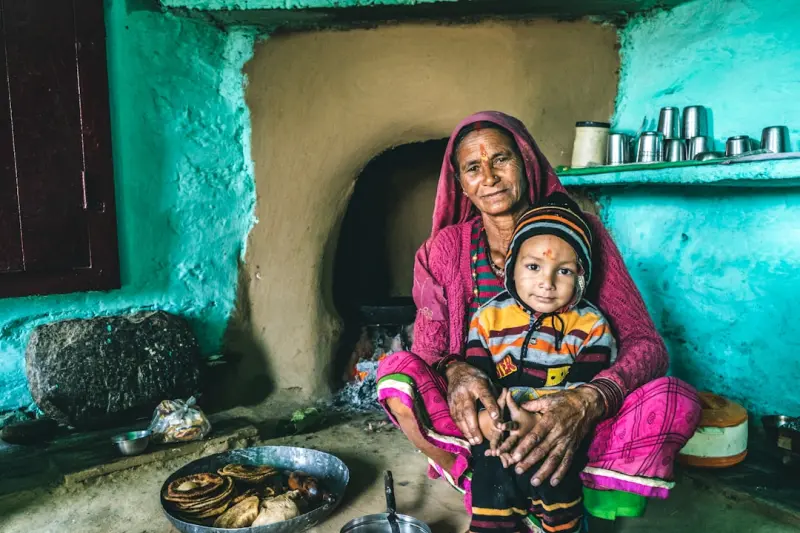
When I first stepped into the kitchen of my grandparents’ old farmhouse, the scent of simmering lentils and fresh rosemary felt like a secret handshake between my body and my lineage; it reminded me that eating is never just about calories, it is a dialogue with the stories that have fed my family for generations. These cultural touchstones become powerful anchors when the modern diet narrative tries to strip away identity, replacing tradition with a one‑size‑fits‑all mantra that fuels anxiety and restriction. By re‑engaging with the meals that once celebrated milestones, holidays, and everyday love, we can rebuild a sense of belonging that quiets the inner critic and opens space for nourishment to be felt as safety rather than threat.
Storytelling as Therapy: Turning Meals into Narrative
In my own recovery, I discovered that writing down the history behind a dish—who taught me to roll a dumpling, which song played while we baked bread—created a map that guided my emotions back to a place of comfort and connection. This practice aligns with the principle that When Food Becomes Conversation is more than a clever tagline; it’s a lived experience where each bite is an opportunity to converse with the past and rewrite the present. By framing meals as chapters rather than battlegrounds, we transform the act of eating into a narrative rehearsal where the body learns that it is welcomed, not judged.
Reclaiming Rituals: From Fast‑Food to Family Feasts
Fast‑food culture offers convenience, but it also erodes the communal rituals that once marked the rhythm of our days, leaving a void that many with eating disorders fill with rigid rules or secret binges. I began re‑introducing simple rituals—setting a place mat, saying a brief gratitude, sharing a story before the first forkful—and noticed that the anxiety that usually surged before a meal began to dissolve into anticipation. These small, intentional acts signal to the brain that eating is a shared, safe activity, and they re‑activate the parasympathetic response that supports digestion and emotional regulation.
The Science of Food Memory: How Taste Triggers Healing
Neuroscience tells us that the gustatory cortex is closely linked to the hippocampus, the brain’s memory center, meaning that flavors can unlock vivid recollections that stabilize mood and identity. When I paired a familiar spice blend with a new recipe, the familiar taste acted like a key, opening doors to warm memories of childhood kitchens and reinforcing a sense of continuity. This sensory bridge not only comforts the mind but also provides a physiological cue for the body to relax, reducing the cortisol spikes that often accompany disordered eating patterns.
Community Kitchens: Collective Healing Beyond the Plate
Joining a community kitchen in my neighborhood turned my solitary struggle into a collective celebration; the chatter, the clatter of pots, and the shared responsibility of cooking for others cultivated a sense of purpose that eclipsed my obsession with control. In these spaces, we exchange recipes, stories, and encouragement, creating a network where every participant feels seen and fed—not just physically but emotionally. Such environments echo the sentiment that recovery flourishes when we move from isolation to inclusion, allowing us to practice vulnerability in a supportive, non‑judgmental setting.
Integrating Gut Health: The Hidden Ally in Recovery
While my primary focus has been cultural storytelling, I cannot ignore the emerging research that ties gut microbiota to mood and eating behavior; a balanced gut can act as a silent partner in our healing journey. By incorporating fermented foods that are staples in many traditional cuisines—kimchi, kefir, miso—I not only honor my heritage but also nurture a microbiome that supports serotonin production and reduces anxiety. This approach complements the broader framework outlined in Gut‑First Strategies, emphasizing that cultural foods can be both symbolic and biologically therapeutic.
Practical Steps to Weave Heritage into Daily Meals
Start small: choose one family recipe each week and prepare it mindfully, focusing on the textures, aromas, and the stories attached to each ingredient. Next, invite a loved one or a friend to share the meal, turning the act of eating into a conversation about ancestry, values, and the emotions that arise around the plate. Finally, journal the experience, noting any shifts in mood, cravings, or self‑talk, and use those insights to adjust future meals, gradually expanding the repertoire of heritage dishes that feel nourishing both physically and emotionally.
Beyond the Plate: Using Art and Music to Honor Food Traditions
Creative expression amplifies the therapeutic power of cultural foods; I began sketching the patterns of my grandmother’s embroidered tablecloth while listening to the lullabies that once played during family dinners. These artistic rituals reinforce the multisensory memory of meals, embedding the experience deeper in the brain and making it harder for disordered thoughts to infiltrate. When the melody fades or the drawing is complete, the lingering resonance serves as a reminder that my relationship with food is layered, vibrant, and worthy of celebration.
Embracing the Ongoing Journey
Healing from an eating disorder is not a destination but a lifelong practice of reconnecting with self, body, and community, and cultural food stories provide a compass that points toward belonging rather than deprivation. By honoring the flavors, rituals, and narratives that have sustained our ancestors, we create a resilient framework that can weather modern pressures and internal doubts. Let each meal be an invitation to dialogue, each shared dish a bridge to connection, and each memory a gentle reminder that nourishment is as much about the heart as it is about the stomach.

Becky Putman is an Ottawa-based freelance writer and marketing professional with a passion for storytelling, animals, and community involvement. She enjoys creating engaging content that informs, inspires, and connects with readers.
Related Posts
When Food Becomes a Friend: Building Food Literacy to Break the Cycle of Disordered Eating
Learn how mastering food literacy transforms the relationship with meals, replaces fear with knowled... Read More
Finding Freedom From Food: A Holistic Journey Through Eating Disorders
A candid, first‑person guide revealing how mindset shifts, holistic tools, and smart insurance use... Read More

Breathing New Life Into Eating Disorder Recovery
Explore the transformative power of breathwork in eating‑disorder recovery, blending science, simp... Read More
Top Posts

Turn Up the Heat: How Ambient Temperature Can Accelerate Your Weight Loss Journey
Learn how modest changes to your indoor climate can activate brown fat, increase daily calorie burn, and complement diet and exercise for sustainable weight los...Read More
Habit Stacking for Prediabetes: Tiny Wins, Big Gains
Learn a practical habit‑stacking framework that uses micro‑movements, nutrition tweaks, and stress‑reset rituals to lower blood sugar and reverse prediabe...Read More

Seasonal Reset: Aligning Your Body’s Natural Cleansing Cycles with the Calendar
Learn how to harness the power of seasonal light, temperature, and foods to naturally support your body’s detox pathways, with practical tips on hydration, mo...Read More

Why Baby‑Led Feeding Beats the Bottle: A Parent’s Journey to Trusting Tiny Tummies
Explore the science and practical steps behind baby‑led feeding, from gut health and chrono‑nutrition to safe, mess‑friendly mealtimes, empowering parents...Read More
0 Comments
Post Comment
You will need to Login or Register to comment on this post!