
Living with Autoimmune Disease: A Personal Narrative
When I first heard the word “autoimmune” I imagined a battlefield inside my body, a relentless army of misguided cells turning against me, and that image has guided every choice I make today; the reality, however, is a far more nuanced dance of hormones, stress, and nutrition that demands a holistic mindset. Over the years I have learned that listening to subtle signals—the way my joints ache after a stressful meeting or how my skin reacts to a new detergent—can be more powerful than any lab test, and this intuition has become my compass in navigating flare‑ups. I now approach each day with a blend of science, self‑compassion, and community wisdom, knowing that the path to stability is neither linear nor solitary.
The Power of Whole‑Body Detox
One of the most transformative steps on my journey was embracing a comprehensive detox protocol, not as a quick fix but as a reset button for the entire system; I discovered that lingering toxins can act like silent saboteurs, perpetuating inflammation and confusing the immune response. By following the principles outlined in Reset Your System: A Practical Guide to Whole‑Body Detox, I eliminated processed sugars, introduced gentle liver‑supporting herbs, and prioritized deep hydration, which together created a calmer internal environment. The result was a noticeable reduction in morning stiffness and a clearer mental fog, proving that detox isn’t just about weight loss—it’s about giving the immune system a clean slate to operate more responsibly.
Nutritional Foundations for Immune Harmony
Food, for me, became both medicine and messenger; each bite carries the potential to either fan the flames of inflammation or soothe the internal fire that fuels my symptoms. I shifted my pantry to prioritize omega‑3‑rich fish, antioxidant‑dense berries, and fermented foods that nurture gut diversity, because a balanced microbiome is the cornerstone of immune regulation. Integrating these habits was made easier after reading Nourish to Thrive: A Holistic Nutrition Reset for Busy Lives, which offered practical meal‑planning templates that fit my hectic schedule without feeling restrictive. The subtle yet consistent energy boost I now experience is a testament to the idea that nutrition isn’t a diet—it’s a lifelong partnership with my body.
Mind‑Body Practices That Calm the Storm
Beyond diet, I discovered that the mind holds a surprising amount of sway over autoimmune activity; chronic stress releases cortisol, which can exacerbate cytokine production and trigger flare‑ups, creating a vicious cycle that feels impossible to break. Incorporating daily mindfulness routines—such as a ten‑minute breath‑focus meditation before breakfast and gentle yoga stretches after work—has reprogrammed my nervous system to respond with relaxation rather than alarm. These practices have also enhanced my sleep quality, a factor often overlooked but crucial, because restorative sleep is when the body conducts its most intensive repair work. The cumulative effect is a steadier heart rate, reduced joint pain, and a renewed sense of agency over my health.
Community and Knowledge Sharing
Living with an invisible illness can feel isolating, yet I have found that connection is a potent antidote; joining online support circles and local meet‑ups has given me access to stories, coping strategies, and the reassurance that I am not navigating this terrain alone. Sharing my own experiences through blog posts and webinars not only reinforces my learning but also creates a ripple effect of empowerment for others who might feel trapped by their diagnosis. In these conversations, I often reference the comprehensive guide Navigating Autoimmune Disease: A Holistic Path to Empowerment, which synthesizes medical insights with lifestyle tweaks, providing a roadmap that feels both realistic and hopeful.
Adapting Exercise to Support Immune Function
Exercise, when approached mindfully, can be a powerful regulator of inflammation, but the wrong intensity can backfire, leading to over‑training and heightened symptoms; I learned to listen to my body's fatigue cues and to prioritize low‑impact activities like swimming, tai chi, and brisk walking, which elevate circulation without overstressing joints. Consistency trumps intensity; a daily 20‑minute walk not only improves cardiovascular health but also stimulates the release of endorphins that modulate pain perception. By treating movement as a form of self‑care rather than a performance metric, I have witnessed steadier energy levels and a gentler progression of flare‑ups, reinforcing the idea that gentle, regular activity is a cornerstone of autoimmune management.
Sleep: The Unseen Healer
Sleep is the silent architect of recovery, and for years I underestimated its importance, often sacrificing rest for work deadlines, only to wake up feeling more exhausted than refreshed; this imbalance taught me that quality sleep is non‑negotiable for immune equilibrium. I instituted a wind‑down routine that includes dim lighting, a warm herbal tea, and a screen‑free hour before bed, which has dramatically shortened the time it takes me to drift off and deepened my REM cycles. When my sleep improves, I notice a marked decrease in morning joint stiffness and an overall calmer mood, underscoring the fact that a well‑rested body is better equipped to keep the immune system in check.
Tracking Progress and Celebrating Small Wins
Because autoimmune conditions can be unpredictable, I rely on a simple tracking system that logs diet, sleep, stress levels, and symptom severity, allowing me to spot patterns and adjust interventions before a full‑blown flare occurs; this data‑driven approach empowers me to make evidence‑based decisions rather than reacting emotionally to each symptom. I celebrate each incremental improvement—whether it’s a week without joint swelling or a newfound tolerance for a previously triggering food—as a victory that fuels my motivation. Over time, these small wins accumulate, creating a positive feedback loop that reinforces my commitment to a holistic lifestyle and proves that sustainable change is built on consistent, manageable steps.
Looking Forward: A Lifelong Commitment to Balance
My journey with autoimmune disease is far from over, but the tools I have gathered—detox, nutrition, mindful movement, community support, and vigilant self‑tracking—form a resilient foundation that adapts as my body evolves; I view health as a dynamic partnership rather than a static destination, and this mindset keeps me flexible in the face of new challenges. By sharing my story and the resources that have guided me, I hope to inspire others to take ownership of their health, experiment with holistic practices, and find the balance that allows them to thrive despite chronic illness. The road ahead may have twists, but armed with knowledge, compassion, and community, I am confident that I can continue to live a full, vibrant life.

Related Posts
Strategic Resilience: Turning Autoimmune Disease Into a Growth Engine
Learn to reframe autoimmune disease as a catalyst for personal growth by using data‑driven trackin... Read More
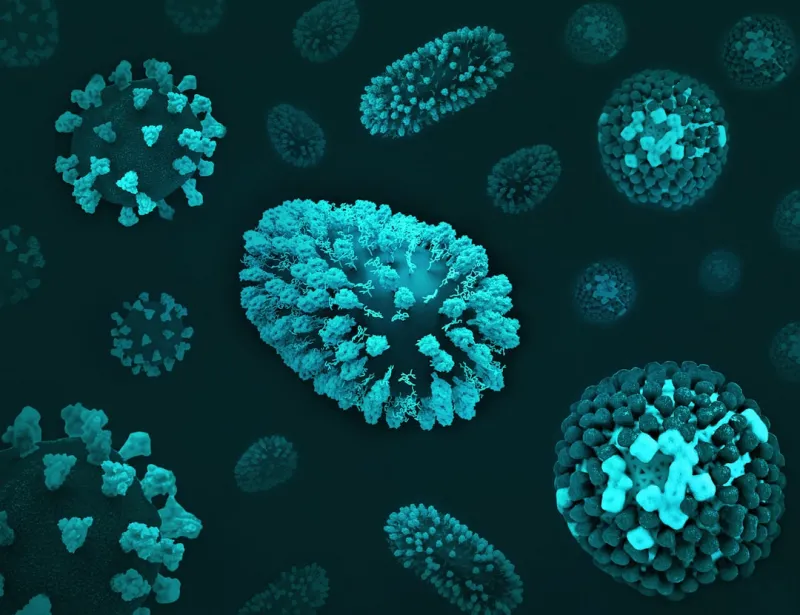
The Complex World of Autoimmune Diseases
Autoimmune diseases occur when the body's immune system mistakenly attacks healthy tissues and organ... Read More

From Flare to Flow: Data‑Driven Strategies for Autoimmune Wellness
The post shows how turning daily health metrics into a live dashboard, using stress‑tracking weara... Read More
Top Posts

Level Up Your Glucose: Turning Blood Sugar Management into a Game
Learn how to transform blood sugar tracking into an engaging game with clear goals, instant feedback, and rewards, turning a daily chore into a motivating adven...Read More

Flavorful Memory: How Reviving Family Recipes Boosts Senior Brain and Gut Health
Reviving heritage dishes with gut‑friendly ingredients, supported by wearable tracking, offers seniors a tasty, science‑backed path to sharper minds, health...Read More

Rewriting the Eating Disorder Narrative: How Storytelling, Sensory Play, and Community Healing Transform Recovery
A fresh take on eating disorder recovery: use narrative, sensory experiences, and community creativity to rewrite the story of self‑care and reclaim control....Read More

Holistic Nutrition for Modern Life: Brandy Miller’s Fresh Perspective
Brandy Miller shares a fresh, holistic take on nutrition—linking gut health, stress, and seasonal foods—to help you thrive in today’s fast‑paced world....Read More
0 Comments
Post Comment
You will need to Login or Register to comment on this post!