
Why Travel Becomes a Unexpected Ally in Autoimmune Management
When I first booked a weekend getaway to a coastal town, I expected only a change of scenery; instead, I discovered that changing environments can reset the immune system’s over‑reaction. The subtle shift in humidity, temperature, and even the local diet created a cascade of hormonal adjustments that softened my typical flare‑ups. I found myself breathing easier, sleeping deeper, and noticing a calmer joint sensation that often feels elusive at home. This realization sparked a deeper curiosity about how the places we visit silently influence the invisible battles our bodies wage every day.
Seasonal Shifts and Their Quiet Influence on Inflammation
Each season carries its own set of triggers—cold air can tighten airways, while intense summer sun sometimes fuels skin‑related autoimmune responses. Yet, the flip side is that seasonal changes also bring natural anti‑inflammatory allies: winter’s lower pollen count, spring’s fresh greens, and autumn’s antioxidant‑rich squashes. By aligning travel plans with these natural rhythms, I’ve learned to ride the wave of the body’s own seasonal adaptation, reducing reliance on medication during peak flare periods. The key is listening to how my symptoms ebb and flow as the calendar turns, and then letting the environment do some of the work for me.
Micro‑Climate Exploration: How Small Locale Tweaks Matter
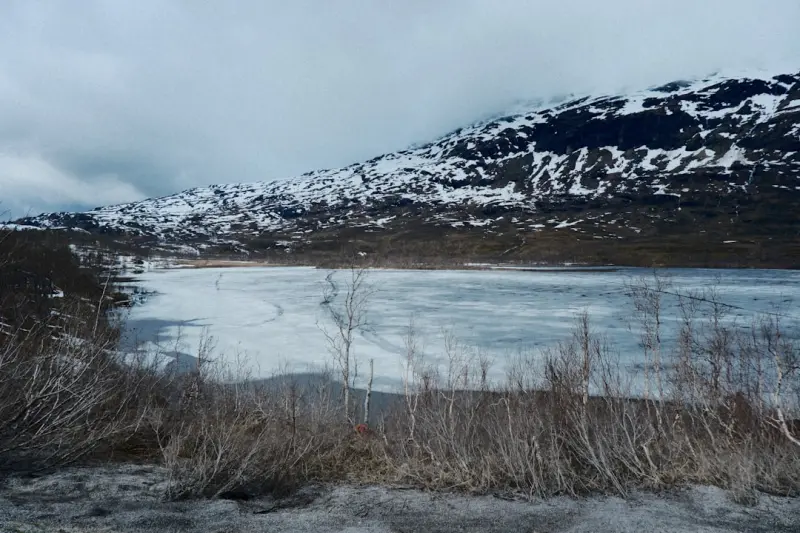
It’s not just about hopping continents; even a short drive to a nearby mountain town can expose you to a micro‑climate that alters cortisol levels and immune signaling. I remember a three‑day retreat in the high desert where the thin air seemed to thin out the fog of chronic fatigue that often clouds my days. The reduced oxygen pressure prompted a gentle increase in red blood cell production, delivering more oxygen to inflamed tissues and easing joint stiffness. Such nuanced environmental changes act as a natural “reset button,” reminding us that health can be a geography‑driven adventure.
Food Landscape: Eating the Local Way to Calm Autoimmunity
Travel forces you out of your culinary comfort zone, and that disruption can be a blessing. Sampling regional dishes rich in fermented foods, omega‑3‑laden fish, or wild herbs introduces food synergy strategies that your regular grocery list might miss. One evening in a coastal village, I enjoyed a simple bowl of sardines, seaweed, and fermented kimchi—a combination that sparked a noticeable reduction in joint swelling the next morning. When you pair foods that naturally complement each other, you amplify their anti‑inflammatory power, a concept explored in depth on food synergy strategies.
Movement Patterns: Adapting Exercise to New Terrains
New landscapes demand new movement patterns, and that variety can be a boon for autoimmune joints. Hiking steep trails engages stabilizing muscles differently than treadmill walking, while gentle beach yoga introduces resistance from sand that protects delicate cartilage. I discovered that incorporating “micro‑workouts” while traveling—like a five‑minute sunrise stretch on a cliff edge—kept my muscles supple without overtaxing my system. This approach mirrors the philosophy behind the micro‑workout revolution, proving that even brief, varied activity can sustain long‑term joint health.
Mind‑Body Connection: Harnessing New Sights for Stress Relief
Stress is a silent accelerator of autoimmune flare‑ups, and travel offers a natural antidote by flooding the brain with novel stimuli. The awe of a sunrise over a mountain range triggers the release of dopamine and serotonin, neurotransmitters that counteract the cortisol spikes that fuel inflammation. I found that journaling beside a tranquil lake, describing colors and sounds, created a meditative buffer that steadied my immune response. By deliberately immersing myself in the present moment of a new setting, I turned each trip into a therapeutic session for both mind and body.
Community Connections: Finding Support in Unexpected Places
One of the most profound benefits of traveling with an autoimmune condition is stumbling upon supportive communities you never knew existed. Whether it’s a local support group meeting in a small town library or a shared dinner with fellow travelers who exchange coping tips, these connections provide emotional ballast that mitigates stress‑induced flare‑ups. I once joined a weekend workshop where participants used artistic expression as therapy, and the collective creativity sparked a sense of belonging that lingered long after the trip ended. These bonds remind us that healing is often a shared journey.
Practical Planning: Making Travel Autoimmune‑Friendly
To reap the benefits without compromising health, careful preparation is essential. Pack a portable cooler for temperature‑sensitive medications, schedule rest days between high‑impact excursions, and research local medical facilities in advance. I also carry a “symptom diary” on my phone, noting any changes after each new environment, which helps me identify patterns and adjust future itineraries. By treating travel as a structured experiment rather than a spontaneous escape, you can systematically discover which climates, foods, and activities serve as allies in your autoimmune arsenal.
Turning Trips into Ongoing Research for Your Body
Every journey becomes a data point in a personalized health study, and the insights gleaned can empower long‑term disease management. Over the past year, I’ve mapped flare‑up frequencies against altitude, humidity, and regional cuisines, creating a visual chart that guides my next adventure. This self‑generated research not only reduces uncertainty but also fosters a sense of agency—transforming the narrative from “suffering with disease” to “exploring with intention.” As you embark on your own travels, consider each destination a lab where your body’s response writes a new chapter in resilience.

Becky Putman is an Ottawa-based freelance writer and marketing professional with a passion for storytelling, animals, and community involvement. She enjoys creating engaging content that informs, inspires, and connects with readers.
Related Posts
Rewiring Autoimmune Health: Soil‑Based Probiotics, Detox, and Daily Rituals
Learn a holistic, step‑by‑step plan that blends soil‑based probiotics, intentional detox, brea... Read More
Decoding Autoimmune Disease for High‑Performance Professionals
A comprehensive guide for executives on recognizing, monitoring, and managing autoimmune disease to ... Read More

When the Body Rebels: Harnessing Everyday Creativity to Calm Autoimmune Storms
Explore practical strategies—from micro‑movements and expressive writing to sensory‑rich space... Read More
Top Posts

Designing a Sleep Sanctuary: How Soundscapes Can Quiet Insomnia
Discover the power of auditory design in battling insomnia. This guide walks you through building a soothing soundscape, integrating lifestyle habits, and using...Read More
The Evolving Landscape of Health Insurance: A Focus on Mental Health and Preventive Care
The conversation around mental health has shifted significantly over the years. Learn how health insurance providers are prioritizing mental health and preventi...Read More

Beyond Sugar Counts: A Holistic Journey to Beat Prediabetes
A personal, holistic roadmap shows how stress, community, digital habits, and gut diversity can turn prediabetes from a warning into a catalyst for vibrant heal...Read More

How Music, Movement, and Mentorship Can Transform Senior Health
A fresh look at senior health: harnessing music, movement, and intergenerational mentorship to sharpen the mind, strengthen the body, and lift the spirit....Read More
0 Comments
Post Comment
You will need to Login or Register to comment on this post!