
Why Rhythm Matters for Senior Health
When I first walked into a local community center at seventy‑two, I expected a quiet room of crossword puzzles and gentle yoga. Instead, a lively drum circle greeted me, and the syncopated beats instantly lifted my spirits, reminding me that sound and motion are inseparable allies in aging well. Research shows that rhythmic activity stimulates the brain’s motor cortex, improving balance, coordination, and even heart health, while the social vibe releases endorphins that combat loneliness. For seniors, embracing a beat isn’t just a hobby—it’s a scientifically backed prescription for a more vibrant life.
Dance as Medicine: Moving to the Beat
Imagine swapping a solitary walk for a low‑impact dance class where each step follows a melody you love. The combination of music and movement creates a neuro‑chemical cocktail of dopamine and serotonin, which supports neuroplasticity and reduces the risk of cognitive decline. Moreover, dancing challenges the vestibular system, sharpening proprioception and preventing falls—one of the biggest health concerns for older adults. By integrating a few minutes of rhythmic motion into daily routines, seniors can experience measurable improvements in stamina, flexibility, and mood without the intimidation of a traditional gym.
Learning an Instrument: A Brain‑Boosting Hobby
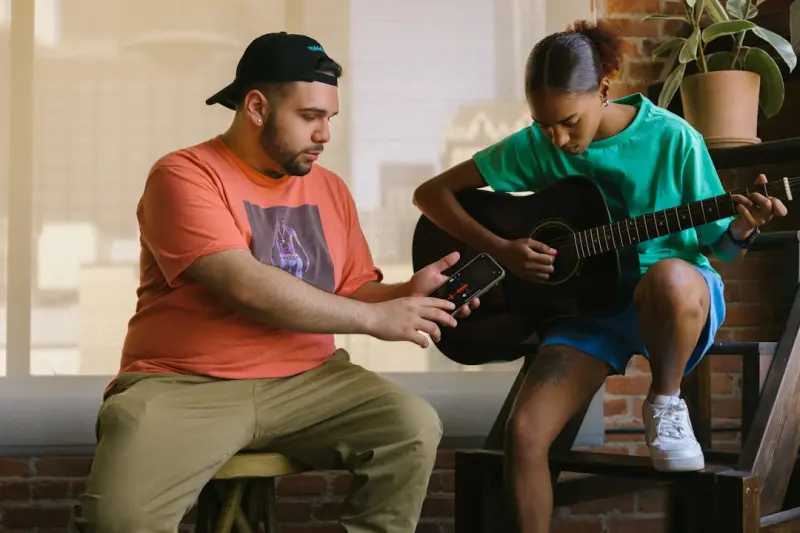
Picking up a simple instrument like a ukulele or a hand‑held percussion kit can be a game‑changer for mental acuity. The act of reading music, coordinating fingers, and timing notes engages multiple brain regions simultaneously, reinforcing neural pathways that often weaken with age. In my own experience, weekly lessons have sharpened my short‑term memory and made it easier to recall names and appointments. The key is consistency: even ten minutes a day of focused practice can delay age‑related memory loss and keep the mind lively.
Community Music Programs: Building Social Capital
Local music groups aren’t just about performance; they’re fertile ground for building relationships and a sense of belonging. When seniors gather to rehearse or share songs, they exchange stories, support each other’s progress, and forge friendships that extend beyond the rehearsal hall. This social scaffolding is crucial because strong social networks are linked to lower blood pressure, reduced inflammation, and longer life expectancy. By volunteering as mentors or simply attending community jam sessions, seniors can nurture both their own health and that of their neighbors.
Mentorship Meets Technology: Teaching the Next Generation
One of the most rewarding ways to stay mentally sharp is to become a mentor, especially in the digital age where younger family members crave wisdom on life skills while seniors navigate new tech. Guiding grandchildren through a video call, showing them how to edit photos, or sharing family recipes on a blog forces the brain to learn, adapt, and recall information actively. This intergenerational exchange fuels cognitive flexibility, keeping the mind agile and reducing the feeling of isolation that often accompanies retirement.
Fitness Foundations with a Twist
While traditional strength training remains vital, integrating Functional Fitness principles can make exercises feel more like play. Think of activities that mimic daily tasks—lifting a grocery bag, reaching for a shelf, or stepping onto a curb—paired with rhythmic music to maintain motivation. This approach not only preserves muscle mass and bone density but also improves coordination and reduces injury risk, creating a seamless blend of movement and melody that feels natural rather than forced.
Nourishing the Body for Musical Energy
Optimal performance on any instrument or dance floor starts with the fuel we give our bodies. Foods rich in omega‑3 fatty acids, such as salmon or flaxseeds, support brain health and enhance auditory processing, while antioxidants from berries protect against oxidative stress that can impair coordination. For seniors interested in exploring gut health, the article on Fermentation Fundamentals offers simple recipes to boost digestion and immunity—key components for sustaining long practice sessions.
Seasonal Rhythm: Aligning Activities with Nature
Just as the environment changes, so can our health routines. Incorporating the principles of Seasonal Detox allows seniors to adjust their diet, exercise, and music choices to match the energy of each season. Warm, upbeat tunes in spring encourage outdoor dancing, while slower, soothing melodies in winter promote gentle stretching and reflective practice. This cyclical harmony respects the body’s natural rhythms, leading to steadier blood sugar, better sleep, and a calmer mind.
Action Steps: Creating Your Own Rhythm‑Rich Lifestyle
Start small: pick a favorite song and sway for five minutes after breakfast, or tap a rhythm on a tabletop while waiting for the kettle to boil. Next, schedule a weekly music class—whether it’s a choir, drumming circle, or beginner’s instrument lesson. Then, set a mentorship goal, such as teaching a grandchild how to use a video chat app or sharing a family recipe blog. Finally, evaluate your diet and incorporate brain‑boosting foods, perhaps trying a fermented smoothie once a week. By weaving music, movement, and mentorship into daily life, seniors can cultivate a holistic health regimen that nurtures body, mind, and spirit.

Becky Putman is an Ottawa-based freelance writer and marketing professional with a passion for storytelling, animals, and community involvement. She enjoys creating engaging content that informs, inspires, and connects with readers.
Related Posts
Holistic Health Secrets for Seniors: A Personal Journey to Vibrant Aging
A personal guide to thriving in senior years through holistic nutrition, gentle exercise, and purpos... Read More
The Importance of Mental Health in Seniors: A Holistic Approach
Mental health issues are a significant concern for seniors. Learn about the importance of mental hea... Read More
The Importance of Mental Health in Seniors: A Holistic Approach
Mental health is critical for seniors' overall health. Learn about the challenges they face, such as... Read More
Top Posts
Unlock Brain Power with Intentional Daydreams and Movement Pauses
Learn practical techniques to integrate purposeful daydreaming and short movement pauses into your workday, enhancing creativity, focus, and long‑term brain h...Read More
The Unexpected Power of Journaling for Men’s Health
Journaling isn’t just for creatives—it's a data‑driven habit that reduces stress, sharpens goals, and enhances sleep, offering men a simple yet powerful t...Read More
How Vaping Communities Are Shaping Identity and Wellness
Vaping has become more than a habit; it’s a thriving community that molds identity, offers peer support, and drives wellness trends, redefining the subculture...Read More
The Unseen Struggle: Mental Health in Modern Society
Mental health is just as important as physical health, but it's often neglected. Learn how to prioritize your mental well-being and break the silence surroundin...Read More
0 Comments
Post Comment
You will need to Login or Register to comment on this post!