
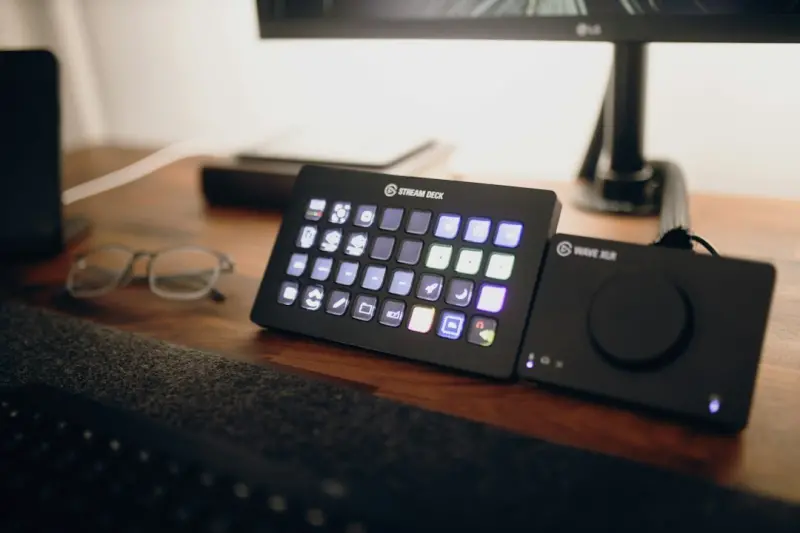
When I first learned I had narcolepsy, the diagnosis felt like a secret handshake with a world that never quite understood my rhythm. Most people picture sudden, dramatic collapses onto the floor; I’ve lived a quieter, more insidious version—moments when my brain decides to “pause” for a few seconds, when my eyes feel as heavy as lead, and when the simple act of staying present becomes an act of rebellion. Over the past few years, I’ve turned that frustration into a mission: to re‑imagine the everyday tools we all use so they stop being obstacles and start becoming allies for people like me.
Why the “One‑Size‑Fits‑All” Model Fails
Technology, by design, strives for universality. A calendar app, a video‑conference platform, a smart‑home assistant—each is built on the assumption that users share a common baseline of alertness, attention span, and energy cycles. For someone with narcolepsy, that baseline is constantly shifting. A meeting scheduled at 10 a.m. may coincide with a “sleep window” that the brain imposes, while a 3 p.m. brainstorming session could be the only time my mind is genuinely awake.
The fallout is subtle but pervasive. Missed notifications become missed opportunities. Notification tones that are meant to “jolt” instead blend into the background of a brain that’s already primed to shut down. Even the most thoughtfully designed UI can become a source of anxiety when it demands immediate interaction, leaving no room for the brief “re‑boot” periods my nervous system needs.
Designing with “Micro‑Recovery” in Mind
Instead of forcing users into a rigid schedule, imagine a suite of digital experiences that acknowledge and accommodate micro‑recovery—a brief, intentional pause that can reset the brain’s alertness. Here’s how that could look:
- Adaptive Notification Timing: Using AI to learn a user’s typical alertness patterns, the system could delay non‑critical alerts until a window of heightened wakefulness, while surfacing urgent prompts with gentle, multimodal cues (vibration, visual dimming, soft sound).
- Dynamic Interface Density: When a user’s engagement metrics dip—say, cursor movement slows or eye‑tracking indicates reduced focus—the interface could automatically simplify, hiding optional panels and reducing visual clutter.
- Built‑In “Rest‑Blocks”: Similar to calendar buffers, these would be auto‑suggested slots where the user is encouraged to take a short, guided relaxation or breathing exercise, effectively turning a potential crash into a proactive reset.
These concepts borrow from the cognitive resilience playbook that has helped high‑performing teams stay sharp under pressure. The same principles—flexible workload, real‑time feedback loops, and supportive environments—can be translated into personal tech for narcolepsy management.
Rethinking the Calendar: From Fixed Slots to Fluid Flow
Calendars have become the backbone of modern work, but they’re built for linear time. For a person whose day can be punctuated by unexpected sleep episodes, a static schedule is a liability. A next‑generation calendar could incorporate:
- Predictive Energy Mapping: Using data from wearables (heart rate variability, skin temperature) to forecast periods of high or low alertness, then auto‑suggesting optimal meeting times.
- Grace Period Buffers: Automatically inserting short buffer zones before and after critical events, giving the user leeway to transition without the pressure of an immediate start.
- “Self‑Swap” Functionality: Allowing users to trade meeting slots with teammates in a seamless, permission‑based way, reducing the stigma of requesting changes due to health needs.
These features do more than just accommodate narcolepsy; they promote a culture where fluctuating energy is normalized, benefitting anyone who experiences burnout, chronic fatigue, or simply a busy family life.
Audio‑Visual Cues That Respect the Brain’s Threshold
Traditional alert sounds are often either too soft to be noticed or too harsh, jolting the brain out of its delicate balance. A smarter approach is to use layered, context‑aware cues:
- Low‑Frequency Pulses: Gentle vibrations synchronized with a subtle visual cue (like a soft glow on the screen edge) can alert without overwhelming.
- Ambient Soundscapes: Background audio that gradually rises in volume when attention wanes, prompting the user to refocus before a full “wake‑up” is required.
- Personalized Voice Prompts: Using the user’s own voice or a calm, familiar tone to deliver brief reminders, reducing the cognitive load of processing a new voice.
Such nuanced design mirrors the principles explored in food timing strategies, where the timing and composition of a stimulus (in that case, a meal) profoundly affect performance. Here, the stimulus is information, and timing is equally critical.
Community‑Driven Feature Development
One of the biggest blind spots in mainstream product design is the lack of direct input from neurodivergent users. To bridge that gap, companies can adopt a community‑first development cycle:
- Co‑Design Workshops: Invite users with narcolepsy to prototype new features, ensuring that real‑world challenges shape the roadmap.
- Beta Labs: Release early versions of adaptive tools to a small, diverse user group, gathering quantitative data (engagement metrics) and qualitative feedback (personal stories).
- Transparent Roadmaps: Publicly share how community feedback translates into product updates, reinforcing trust and encouraging ongoing participation.
When users see their lived experience reflected in the product, the resulting sense of ownership can drive adoption far more effectively than traditional marketing campaigns.
Policy Implications: From Accommodation to Innovation
Legislation often frames disability accommodation as a series of checkboxes: flexible hours, remote work, ergonomic equipment. While these measures are vital, they rarely address the digital layer where much of modern work occurs. Companies can go further by embedding inclusive design into their compliance frameworks, treating adaptive tech as a core requirement rather than an optional perk.
Key policy moves could include:
- Mandated Accessibility Audits: Extending beyond visual and auditory standards to evaluate how platforms handle fluctuating alertness.
- Incentivized R&D Grants: Funding projects that develop AI‑driven micro‑recovery tools, with a focus on open‑source solutions that benefit the broader neurodivergent community.
- Employee Resource Groups (ERGs): Formalizing narcolepsy‑focused ERGs that have a seat at the product roadmap table.
These steps shift the conversation from “making accommodations” to “leveraging neurodiversity as a source of innovation.”
Future Horizons: Wearables, Biofeedback, and the Brain‑Computer Interface
The next wave of technology promises deeper integration between physiological signals and digital response. Imagine a smartwatch that detects the onset of a narcoleptic episode within seconds and automatically triggers a suite of supportive actions: dimming screen brightness, pausing notifications, and launching a short, guided mindfulness exercise.
Even more speculative, brain‑computer interfaces (BCIs) could eventually translate neural patterns associated with impending sleep into actionable prompts, allowing users to pre‑emptively adjust their environment—perhaps by adjusting lighting or temperature—to stay awake.
While these ideas may sound like science fiction, the rapid pace of sensor development and AI‑driven analytics suggests they’re nearer than we think. Companies that invest early will not only serve a niche audience but also pioneer solutions that benefit anyone seeking better energy management.
Personal Takeaways: My Toolkit for Everyday Success
Below are the concrete tools I’ve woven into my daily routine, many of which stem from the design concepts discussed earlier:
- Smart‑Alert Scheduler: An app that syncs with my wearables to deliver only high‑priority alerts during my predicted wake windows.
- Dynamic Workspace Layout: Using a monitor that automatically reduces blue light and contrast when my eye‑tracking indicates reduced focus.
- Micro‑Rest Rituals: Five‑minute guided breathing sessions triggered by a subtle vibration on my desk lamp.
- Community Feedback Loop: Active participation in a narcolepsy user group that collaborates directly with a SaaS platform’s product team.
These practices haven’t eliminated the challenges of narcolepsy, but they have transformed the experience from a series of unpredictable setbacks into a manageable, even empowering, part of my professional life.
Conclusion: Turning the Quiet Challenge into a Loud Opportunity
Narcolepsy is often described in terms of loss—of control, of productivity, of social ease. Yet every loss also carries a hidden gain: the chance to rethink how we build the digital world. By embedding adaptive, empathetic design into the very fabric of our tools, we can create ecosystems where fluctuating attention isn’t a flaw to be fixed, but a natural variation to be celebrated.
If we, as designers, developers, and leaders, commit to listening to the lived experiences of those who navigate the world with narcolepsy, we’ll unlock not only a more inclusive future but also a richer tapestry of innovation—one where the quiet revolution reshapes how all of us work, create, and thrive.

Related Posts
When Daylight Becomes a Trigger: Living and Thriving with Narcolepsy
A deep dive into the biology, lifestyle hacks, technology, and community support that empower people... Read More

When Daytime Drowsiness Becomes a Superpower: Rethinking Narcolepsy in the Modern Workplace
A fresh look at narcolepsy shows how scheduled micro‑naps, wearable tech, and neuro‑friendly wor... Read More

When Sleep Becomes a Superpower: Harnessing Narcolepsy for Creative Flow
Learn how living with narcolepsy can unlock unexpected creative bursts. From daily rhythms to worksp... Read More
Top Posts

The Healing Power of Gentle Touch in the First Months of Life
Gentle, skin‑to‑skin contact is a simple yet powerful practice that supports an infant’s immune system, brain wiring, and emotional health. Learn how to w...Read More

Your Cycle, Your Power: Aligning Menstruation with Modern Life
Discover practical ways to align your menstrual cycle with daily habits, from workouts to nutrition, turning hormonal fluctuations into a personal performance a...Read More

Nutrient Synergy: Pairing Foods for Maximum Absorption and Performance
Learn to harness nutrient synergy by pairing foods for optimal absorption, creating meal templates that support focus, recovery, and overall health....Read More
Glucose Guardians: Harnessing Everyday Moments to Stabilize Blood Sugar
A practical guide to everyday habits—like micro‑pauses, fiber‑rich foods, light exposure, and smart tech use—that help stabilize blood sugar without dra...Read More
0 Comments
Post Comment
You will need to Login or Register to comment on this post!