
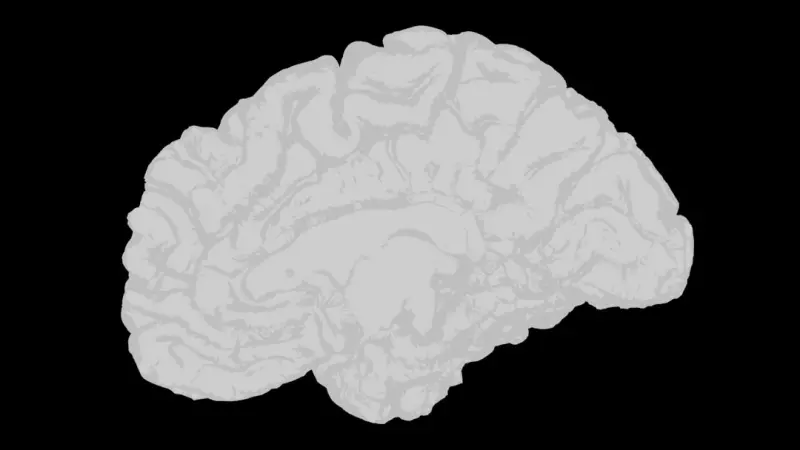
Rewilding Your Brain: How Nature Restores Cognitive Vitality
When I first swapped my downtown office chair for a weathered wooden bench in a city park, I expected a brief mental breather. What I didn’t anticipate was the profound ripple effect that a few minutes of green could have on the very architecture of my brain. The experience sparked a journey into the science of biophilic design and the subtle, yet powerful, ways that natural environments recalibrate our neural circuitry. In this piece, I’ll unpack why the modern mind craves wilderness, how to integrate nature into a high‑performance lifestyle, and what emerging research tells us about protecting our most valuable organ—our brain.
The Evolutionary Mismatch: Why Modern Life Feels Like Cognitive Drought
Human beings evolved over millions of years under canopies of trees, beside flowing rivers, and amid the rhythmic chorus of birdsong. Our ancestors’ survival depended on a keen ability to read subtle environmental cues—light patterns, seasonal changes, the scent of fruit ripening. Fast forward to the 21st century: we spend an average of 11 hours daily inside artificial walls, staring at screens that emit blue light, and listening to the hum of HVAC systems. This stark shift creates an evolutionary mismatch that taxes our attention, memory, and emotional regulation.
Neuroscientists describe this gap as a “cognitive drought.” The brain’s default mode network (DMN), responsible for mind‑wandering and creative synthesis, becomes hyper‑stimulated by constant notifications and multitasking. Meanwhile, the prefrontal cortex—the executive hub for decision‑making and impulse control—gets exhausted, leading to reduced focus, heightened stress, and a decline in long‑term memory consolidation.
Nature’s Neurochemical Toolkit
Stepping outside isn’t just a visual treat; it triggers a cascade of neurochemical events that restore balance:
- Serotonin Boost: Sunlight exposure increases serotonin production, lifting mood and sharpening cognition.
- Reduced Cortisol: Green spaces have been shown to lower cortisol levels, the hormone most associated with stress.
- Increased BDNF: Brain‑derived neurotrophic factor, a protein that supports neuronal growth, spikes after moderate exercise in natural settings.
- Alpha Wave Amplification: Natural sounds—rustling leaves, gentle water flow—promote alpha brainwave activity, which is linked to relaxed focus and creative insight.
These physiological shifts translate into measurable performance gains: quicker reaction times, improved working memory, and heightened problem‑solving ability. In other words, a short walk among trees is a high‑intensity, low‑effort brain workout.
From Theory to Practice: Embedding Wilderness Into a Busy Schedule
For most professionals, “going on a hike” isn’t a daily option. The key is to weave “micro‑nature” moments throughout the day. Below are practical tactics that have helped me and many of my peers reclaim cognitive clarity.
1. The 5‑Minute Green Buffer
Between meetings, step outside for five minutes. Even a brief glance at a park’s foliage, a single tree, or a rooftop garden can reset the DMN. Research shows that exposure to natural light for as little as 5–10 minutes can significantly improve alertness.
2. Desk‑Side Plant Power
A small, well‑cared‑for plant on your desk does more than beautify the space; it signals to the brain that you’re in a living environment. Studies indicate that office plants reduce perceived stress and enhance concentration by up to 15%.
3. Nature‑Infused Commutes
If your route includes a park or a riverwalk, opt for it over a highway. Walking or cycling through green corridors not only adds physical activity but also stimulates the hippocampus, the region tied to memory formation.
4. Biophilic Design at Work
Companies can adopt biophilic design principles—natural materials, water features, daylight‑maximizing architecture—to cultivate an environment that constantly feeds the brain’s need for nature. This isn’t just aesthetic; it’s a strategic investment in employee cognition.
5. Digital Sunset: Tuning Down Screens
Evening screen exposure sabotages the brain’s natural melatonin surge, impairing sleep quality and, consequently, memory consolidation. To counteract this, I adopted a digital dusk routine that limits blue‑light devices an hour before bed and replaces them with soft, ambient lighting. The result? Deeper REM cycles and clearer morning focus.
Case Study: The Executive Who Found Edge in the Woods
One of the senior leaders at a fast‑growing tech firm shared his experiment: He committed to a “forest hour” every Wednesday, walking a nearby trail while listening only to natural sounds—no podcasts, no earbuds. Over six weeks, his team reported a 12% increase in project completion speed and a noticeable drop in decision‑fatigue during weekly strategy meetings. The leader himself noted sharper insight during brainstorming sessions, attributing the change to the “mental reset” afforded by the forest.
Nature’s Role in Neuroplasticity: Rewiring the Brain at Any Age
Neuroplasticity—the brain’s ability to reorganize itself—was once thought to decline sharply after early adulthood. Contemporary research, however, reveals that environmental enrichment, such as regular nature exposure, can rejuvenate plasticity well into later life.
In a landmark study, participants who engaged in weekly nature walks showed a 30% increase in gray matter density in the prefrontal cortex compared to a control group confined to indoor activities. This structural change correlated with enhanced executive function and emotional regulation.
For professionals seeking to maintain mental agility, the implication is clear: Consistent interaction with natural settings isn’t a luxury; it’s a neurological necessity.
Integrating Nature with Technology: The Hybrid Approach
While the call to “go offline” is strong, we can also leverage technology to amplify nature’s benefits:
- Virtual Green Spaces: High‑resolution nature videos or VR forests can simulate the calming effects of real environments for those stuck in windowless rooms.
- Biofeedback Apps: Wearables that monitor heart rate variability (HRV) can alert you when stress spikes, prompting a quick nature break.
- Smart Lighting: Circadian‑aligned LED fixtures that mimic sunrise and sunset patterns help align the brain’s internal clock with natural rhythms.
These tools should complement, not replace, authentic outdoor experiences. Think of them as “nature amplifiers” that keep the brain primed for deeper, in‑person immersion.
The Connection Between Nature and Sleep Quality
Sleep is the brain’s nightly housekeeping session—consolidating memories, flushing metabolic waste, and strengthening neural pathways. A growing body of evidence links nature exposure to improved sleep architecture.
One mechanism involves the regulation of melatonin through natural light exposure. Morning sunlight triggers the suprachiasmatic nucleus (SCN), resetting the body’s circadian rhythm. Evening exposure to artificial light, especially blue wavelengths, suppresses melatonin, leading to fragmented REM sleep. By prioritizing outdoor activity during daylight hours and limiting artificial lighting after dusk, you support a smoother transition to restorative sleep.
For a deeper dive into how evening habits impact sleep, see our piece on Digital Dusk, which outlines practical steps for a tech‑light evening.
Addressing Common Skepticisms
“I live in a concrete jungle; I can’t access green spaces.” Even small patches of greenery—community gardens, balcony plants, indoor succulents—can elicit measurable cognitive benefits. The key is visual exposure and interaction, not necessarily the size of the green area.
“I’m too busy for nature breaks.” Micro‑nature moments, like a two‑minute window view from a high‑rise office or a quick stroll around the building’s perimeter, can still trigger the brain’s restorative pathways. Consistency outweighs duration.
“Science is overstating the impact.” The convergence of neuroimaging, hormonal assays, and longitudinal performance data across multiple studies reinforces the reliability of nature’s cognitive benefits. Peer‑reviewed journals consistently report effect sizes comparable to traditional interventions like mindfulness meditation.
Building a Personal Nature Blueprint
To make the most of nature’s brain‑boosting power, create a personalized “Nature Blueprint.” Here’s a template you can adapt:
- Assess Current Exposure: Log the minutes per day you spend outdoors.
- Set Incremental Goals: Add 5–10 minutes per week until you reach at least 30 minutes daily.
- Identify Touchpoints: Pinpoint moments (e.g., lunch break, commute) where nature can be integrated.
- Choose Sensory Anchors: Select specific natural sounds or scents (e.g., pine, rain) that you associate with focus.
- Track Cognitive Metrics: Use a simple journal or a productivity app to note changes in focus, mood, and problem‑solving ability.
- Iterate: Adjust based on what works best—different environments, times of day, or activities (walking, sitting, meditating).
When you start to notice patterns—like a spike in creativity after a midday park walk—you’ll have concrete evidence that your brain is thriving.
Conclusion: The Imperative of Rewilding
In an era where data streams, notifications, and artificial lighting dominate, the brain’s most fundamental need remains unchanged: a connection to the living world. By consciously weaving nature into daily routines, we not only mitigate the cognitive fatigue endemic to modern work life but also unlock a reservoir of neuroplastic potential that fuels innovation, resilience, and wellbeing.
Think of nature not as a luxury escape but as a non‑negotiable performance enhancer—an organic supplement for the mind. The next time you feel mental fog creeping in, remember that a few minutes under a canopy of leaves might be the most effective “brain‑fuel” you can provide.

Related Posts

Neuroplasticity in Action: A Practical Blueprint for Skill‑Based Brain Health
Discover a step‑by‑step framework that uses purposeful skill learning to strengthen neural pathw... Read More

Neurobics for the Modern Executive: Tiny Brain Workouts That Deliver Big Returns
Learn how to integrate simple, science‑backed neurobic exercises into a busy professional’s day,... Read More

The Impact of Lifestyle on Brain Health: A Holistic Approach
Maintaining optimal brain health requires a holistic approach that considers lifestyle, nutrition, a... Read More
Top Posts

Turning the Tide: Storytelling & Systems in Cancer Care
A deep dive into how storytelling, real‑time data, and purposeful environment design can transform the cancer journey, turning fear into empowerment and foste...Read More

Reclaiming Heritage: How Cultural Cooking Can Transform Prediabetes
A fresh take on prediabetes: use your cultural dishes as a foundation for metabolic health by swapping smart ingredients, adding spices, and turning the kitchen...Read More

Holistic Muscle Gain: A Sustainable Strength Blueprint
I’ve cracked the code to building real muscle without sacrifice—by treating the body as a whole, fueling it wisely, training smart, and honoring recovery. H...Read More

Rewiring the Night: A Holistic Playbook for Persistent Insomnia
A comprehensive, step‑by‑step guide that blends sleep hygiene, nutrition, grounding, and cognitive behavioral tools to help chronic insomniacs finally achie...Read More
0 Comments
Post Comment
You will need to Login or Register to comment on this post!