

Reclaiming Your Inner Landscape: A Holistic Blueprint for Body Detox
When I first heard the word “detox” I imagined a trendy juice cleanse or a weekend spa retreat. Over the years, my curiosity has taken me far beyond those glossy Instagram posts. I’ve learned that detox is less about a single product and more about a continuous, intentional partnership with our bodies and the environments we inhabit. In this post, I’m sharing a holistic, step‑by‑step framework that integrates the spaces we live in, the ways we move, and the subtle habits that quietly sabotage our internal chemistry.
The Hidden Sources: Why Your Home Might Be Sabotaging Your Cleanse
Most of us spend roughly 90% of our time indoors. From the volatile organic compounds (VOCs) leaching from paint and furniture to the micro‑plastics that drift from synthetic carpets, our indoor environment can become a silent reservoir of toxins. When we talk about “detox,” we often focus on what we put into our bodies, but the air we breathe, the surfaces we touch, and the water we sip are equally critical.
- Air Quality – Keep windows open when weather permits, and consider a HEPA filter for your bedroom. Plants like snake plant and spider plant naturally absorb pollutants.
- Water Purity – Even tap water can carry chlorine, fluoride, and heavy metals. A reverse‑osmosis system or a high‑grade carbon filter can dramatically reduce these hidden chemicals.
- Cleaning Products – Swap conventional sprays for vinegar‑based solutions or products certified as green and fragrance‑free.
By addressing these environmental contributors, you lay the groundwork for your body’s natural detox pathways to operate at peak efficiency.
Lymphatic Flow: The Body’s Unsung Waste Disposal System
The lymphatic system is the highway for waste removal, immune surveillance, and fluid balance. Unlike the circulatory system, it doesn’t have a central pump; it relies on muscle contractions, breathing, and movement to propel lymph. When this flow stalls, toxins linger, leading to puffiness, fatigue, and a sluggish immune response.
Here are three simple practices to invigorate lymphatic drainage:
- Dynamic Stretching – Begin each morning with 5–10 minutes of gentle, full‑body stretches (e.g., cat‑cow, shoulder rolls, hip circles). The rhythmic motion stimulates lymphatic vessels.
- Rebounding – A mini‑trampoline session of 10 minutes can generate up to 30× the lymph flow of walking. If a trampoline isn’t available, a brisk stair climb works wonders.
- Deep Breathing – Practice diaphragmatic breathing: inhale slowly through the nose, letting your belly rise, then exhale through pursed lips. The thoracic pressure changes act like a pump for the lymphatic system.
Couple these habits with a balanced diet and you’ll notice reduced bloating and a clearer complexion within weeks.
Seasonal Alignment: Syncing Detox with Nature’s Rhythms
Our ancestors tuned their bodies to the cycles of the sun, moon, and seasons. Modern life often disconnects us from those cues, but re‑engaging with seasonal rhythms can amplify detox efforts. Each season presents a unique physiological focus:
- Spring – Liver Renewal – The liver, our primary detox organ, thrives on fresh, bitter greens (dandelion, arugula) and hydrating herbs like cilantro.
- Summer – Sweat‑Based Elimination – Warm weather encourages sweating. Incorporate outdoor activities (yoga in the park, swimming) to promote skin‑based toxin release.
- Fall – Lung Cleansing – Cooler air supports deeper breaths. Embrace root vegetables and spices such as ginger and turmeric to support respiratory health.
- Winter – Kidney Support – Warm broths and mineral‑rich soups help the kidneys filter blood efficiently during the cold months.
When you align your food choices, movement, and self‑care rituals with these seasonal themes, you’re essentially giving each organ a targeted boost at the time it naturally needs it most.
Adaptogenic Allies: Botanical Helpers for a Gentle Cleanse
Adaptogens are non‑specific stress‑resistance herbs that help the body adapt to internal and external pressures without causing a “boom‑bust” effect. While many think of adaptogens solely for stress, they also play a pivotal role in supporting detox pathways.
- Milk Thistle – Rich in silymarin, it protects liver cells and encourages regeneration.
- Schisandra – A berry that enhances liver enzyme activity and supports the adrenal glands.
- Reishi Mushroom – Modulates immune function and promotes a balanced inflammatory response, which is essential for safe toxin elimination.
Incorporate these herbs as teas, tinctures, or powder blends. Start with low doses (e.g., 100 mg of milk thistle extract) and monitor how you feel; the goal is gentle assistance, not a dramatic overhaul.
Cold Exposure: The Ice‑Cold Shortcut to Metabolic Reset
Cold exposure—whether through cold showers, ice baths, or even brief walks in chilly weather—activates brown adipose tissue (BAT). BAT burns calories to generate heat, simultaneously mobilizing stored fat‑soluble toxins for oxidation and excretion. A 3‑minute cold shower at the end of your morning routine can:
- Increase norepinephrine, which improves focus and supports liver detoxification.
- Stimulate the lymphatic system, aiding in the removal of cellular waste.
- Enhance circulation, delivering oxygen and nutrients to detox‑critical organs.
Start gradually: end a warm shower with 30 seconds of cool water, then extend the duration as you become comfortable.
Mindful Eating Beyond the Plate
We’ve all seen the buzz around “chrononutrition,” which aligns meals with our circadian clock. While that’s a powerful strategy (see our deep dive on timing meals with your body clock), there’s another layer worth exploring: the psychology of chewing. The act of chewing releases saliva enzymes that begin breaking down toxins and stimulates the vagus nerve, which in turn signals the liver to ramp up detox processes.
Try these simple tweaks:
- Eat mindfully—put down utensils between bites and chew each mouthful at least 20–30 times.
- Choose raw, fibrous foods first (e.g., carrots, apples). The fiber binds to toxins and guides them through the gut for elimination.
- Finish meals with a small cup of herbal tea (ginger, peppermint) to aid digestion and support liver flow.
Technology as a Detox Tool (Not a Distraction)
We’ve all read about digital overload, but there’s a flip side: technology can be harnessed to monitor and optimize our detox journey. Wearable devices now track heart rate variability (HRV), a proxy for autonomic balance, and skin temperature, an indicator of peripheral circulation. By noticing dips in HRV after a night of poor sleep or a heavy meal, you can adjust your routine in real time.
For a deeper dive on using tech to protect mental space, see Reclaiming Mental Space. The same principles apply to detox: data‑driven awareness empowers you to make precise, incremental changes rather than vague “detox” fads.
Putting It All Together: A 7‑Day Detox Reset
Below is a sample week that blends the concepts above. Feel free to customize based on your schedule, seasonal context, and personal preferences.
- Day 1 – Air & Water Purify: Replace your bathroom faucet filter, open windows for 15 minutes, and sip filtered water exclusively.
- Day 2 – Lymph Flow Activation: 10‑minute rebounding session, followed by 5 minutes of diaphragmatic breathing.
- Day 3 – Seasonal Food Focus (Spring): Prepare a detox soup with dandelion greens, asparagus, and a splash of lemon.
- Day 4 – Adaptogen Integration: Drink a milk‑thistle tea in the morning; note any change in energy.
- Day 5 – Cold Exposure: End your shower with 1 minute of cool water; increase to 3 minutes over the next weeks.
- Day 6 – Mindful Chewing: Eat a raw vegetable snack slowly, counting chews out loud.
- Day 7 – Tech‑Guided Review: Review HRV data from the week; adjust sleep or stress habits accordingly.
Consistency beats intensity. After the first week, repeat the cycle, gradually layering in new practices (e.g., adding a sauna session, incorporating more adaptogens, or expanding the rebounding routine).
Final Thoughts: Detox Is a Lifestyle, Not a Sprint
Detoxification is a lifelong dialogue between you and your environment. By treating your home as an extension of your body, honoring the rhythmic flow of lymph, aligning with seasonal cues, and leveraging gentle botanical allies, you create a resilient system that can handle the inevitable pollutants of modern life. Remember, the goal isn’t perfection—it’s progressive, compassionate stewardship of your own chemistry. Start small, stay curious, and let each positive habit compound into a clearer, more vibrant you.

Sarah Gray is a proud Canadian who calls Brampton home, where she lives with her husband, Paul. A passionate home cook and gifted storyteller, Sarah loves creating delicious recipes and sharing stories inspired by everyday life, family, and cherished experiences. When she isn't experimenting in the kitchen, she's busy crafting engaging content that reflects her warmth, creativity, and love of connection. Above all, Sarah treasures time spent with her grandchildren, embracing every opportunity to create lasting memories with the people she loves most.
Related Posts

The Hidden Power of Electromagnetic Detox: How to Cleanse Your Body in the Age of Screens
This post reveals how everyday electromagnetic fields can overload your body's natural detox systems... Read More

Detox Your Home, Detox Your Body: A Practical Guide to Cleaner Living
A practical guide reveals how everyday toxins in air, water, and household surfaces sabotage your de... Read More

The Ultimate Body Detox Blueprint: Cleanse, Reset, Thrive
A personal, step‑by‑step detox guide that blends hydration, gut health, liver support, mindful m... Read More
Top Posts

Spice Up Your Blood Sugar: Everyday Flavors for Stable Glucose
Learn how I transformed my pantry into a blood‑sugar ally, using everyday spices and simple lifestyle tweaks to achieve smoother glucose curves and lasting en...Read More

Listening to Your Liver: How Everyday Sounds Shape Organ Wellness
Explore the surprising link between the sounds we live with and liver health, and get actionable steps to create a liver‑friendly acoustic environment....Read More

Turning Your Health Insurance Into a Personal Wellness Engine
Discover a fresh perspective on health insurance that moves beyond emergency coverage. This guide shows you how to leverage preventive services, wellness stipen...Read More
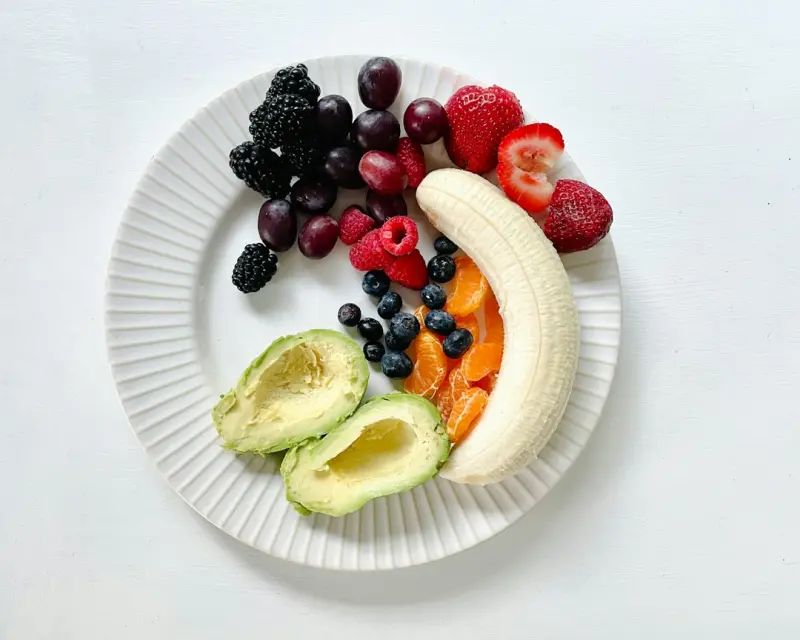
Seasonal Food Synergy: Aligning Your Plate with Nature’s Calendar for Better Health
Eating with the seasons provides a natural boost to immunity, mood, and energy. Learn practical tips, nutrient guides, and the science behind seasonal food syne...Read More
0 Comments
Post Comment
You will need to Login or Register to comment on this post!