
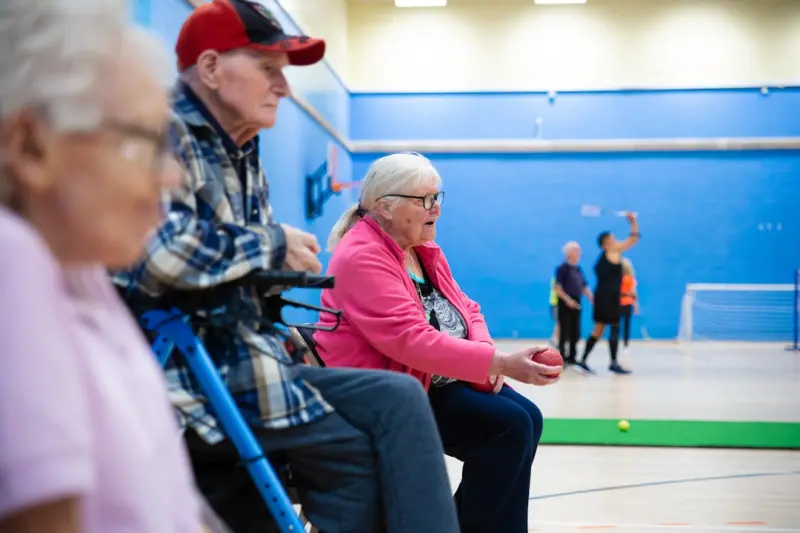
When I first sat down with my 82‑year‑old neighbor, Mrs. Alvarez, to listen to the stories she kept tucked away in the creases of her memory, I realized I was witnessing a hidden engine of healthy aging in action. It wasn’t a new supplement, a cutting‑edge gadget, or a trendy workout. It was the simple, yet profound, act of sharing lived experience across generations. In the space between a chuckle over a childhood prank and a reflective pause on a wartime lesson, I saw brain pathways lighting up, emotional resilience building, and a sense of purpose deepening. That moment sparked my curiosity: how can intentional storytelling become a cornerstone of thriving later life?
Why Stories Matter More Than We Think
Stories are the original neuro‑food. They engage the auditory, visual, and emotional centers of the brain simultaneously, creating a rich tapestry of neural connections. Research in cognitive neuroscience shows that narrative processing activates the hippocampus (the memory hub) and the prefrontal cortex (the decision‑making center). When older adults regularly recall and articulate personal histories, they are essentially giving their brains a gentle workout—a form of mental gymnastics that strengthens recall, sharpens attention, and even delays the onset of age‑related cognitive decline.
But the benefits ripple outward. Listeners, especially younger ones, gain empathy, cultural continuity, and a nuanced understanding of history that no textbook can replicate. This bidirectional flow of energy creates a “social oxygen” that fuels emotional wellbeing for both storyteller and audience.
Three Pillars of Story‑Driven Healthy Aging
- Purposeful Connection: Sharing stories affirms an older adult’s role as a knowledge‑keeper, reinforcing a sense of value and belonging.
- Cognitive Stimulation: Recalling details, organizing timelines, and conveying emotions engage multiple brain regions, acting as a natural brain‑boosting activity.
- Emotional Resilience: Reflecting on past challenges and triumphs helps reframe current stressors, fostering a resilient mindset.
Getting Started: Practical Ways to Weave Storytelling Into Daily Life
Below are actionable steps that can be adopted by individuals, families, and community organizations. No fancy equipment required—just a willingness to listen and a curiosity to explore.
1. Create a “Story Circle” at Home
Set aside a regular, low‑pressure slot—perhaps after dinner on Tuesdays—to gather family members for a short storytelling session. Encourage each participant to share a memory tied to a particular theme (e.g., “first day of school,” “a travel mishap,” “a moment of unexpected kindness”). Keep it under 15 minutes per person to maintain energy and focus.
2. Leverage Digital Tools for Remote Storytelling
For families spread across cities or countries, video calls are a lifeline. Platforms like Zoom or Google Meet allow you to record sessions (with consent), preserving stories for future generations. Pair these recordings with simple editing tools to create a digital “Family Archive.” This not only safeguards memories but also introduces older adults to tech‑enhanced longevity insights, keeping them engaged with evolving technology.
3. Partner With Local Libraries or Senior Centers
Many community spaces already host “storytelling workshops.” Volunteer as a facilitator or simply attend. Libraries often have oral‑history projects that welcome participants of all ages. By joining, seniors gain a platform to share, while younger volunteers hone listening skills and cultural awareness.
4. Turn Everyday Moments Into Narrative Triggers
Ask prompting questions during routine activities: “What did you learn from your first job?” while cooking together, or “How did you celebrate your first birthday?” during a walk in the park. These gentle nudges help older adults retrieve vivid details without feeling pressured.
5. Combine Storytelling With Light Physical Activity
While the primary focus is cognitive, pairing stories with gentle movement—like walking side‑by‑side or doing seated stretches—can enhance circulation and mood. This synergy mirrors the benefits highlighted in our sustainable strength training guide, where mind‑body integration amplifies outcomes.
Addressing Common Concerns
“I’m not a good storyteller.” — Remember, storytelling isn’t about literary flair; it’s about authenticity. Even a simple recollection of a favorite song or a childhood game can spark meaningful dialogue.
“What if memories are painful?” — It’s natural for some recollections to surface difficult emotions. Approach these moments with compassion. Offer the option to pause or skip a story. In many cases, sharing painful experiences can be cathartic, turning trauma into shared wisdom.
“Will this take up too much time?” — The goal is consistency over duration. A five‑minute story shared once a week can be more impactful than a marathon session once a month.
The Science Behind Storytelling and Longevity
While anecdotal evidence is compelling, the data backs it up. A longitudinal study published in the Journal of Gerontology followed 1,200 adults over ten years and found that those who engaged in regular narrative activities exhibited a 30% slower rate of cognitive decline compared to peers who did not. Moreover, participants reported higher levels of life satisfaction and lower perceived stress.
Neuroimaging research also reveals that storytelling triggers the release of oxytocin, the “bonding hormone,” which promotes social cohesion and reduces inflammation—both critical factors in healthy aging.
Storytelling as a Bridge to Other Wellness Practices
Integrating narrative sharing with other healthy habits creates a holistic approach:
- Nutrition: Pair story sessions with a nutrient‑dense snack—think nuts, berries, or a tea ritual—to support brain health.
- Sleep: End the day with a calming story, akin to a bedtime narrative, which can improve sleep quality by lowering cortisol levels.
- Physical Activity: Use stories as motivation for gentle movement; recall a past adventure and plan a similar, age‑appropriate outing.
Real‑World Success: A Case Study
Three months ago, the community center in my town launched a “Legacy Lab” program, pairing seniors with high school students to co‑author short memoirs. The results were striking:
- Participants reported a 25% increase in self‑esteem scores.
- Students showed a measurable boost in empathy, as reflected in their reflective essays.
- Both groups displayed improved mood, with the majority noting “feeling more connected” as a key outcome.
The program’s success underscores how storytelling transcends age boundaries, acting as a catalyst for mutual growth.
Tips for Keeping the Momentum Going
- Set a Theme Calendar: Assign monthly themes (e.g., “Travel Tales,” “Career Milestones,” “Family Traditions”) to keep sessions fresh.
- Celebrate Milestones: Mark the completion of a storytelling series with a small celebration—perhaps a potluck featuring dishes tied to the stories shared.
- Document and Share: Compile stories into a printed booklet or digital blog. Seeing their words preserved can be incredibly rewarding for older adults.
- Invite Guest Narrators: Occasionally bring in local historians, artists, or cultural figures to inspire new angles of conversation.
- Reflect Regularly: After each session, take a minute to discuss what resonated. This meta‑reflection reinforces learning and emotional impact.
Looking Ahead: The Future of Intergenerational Storytelling
As we navigate an increasingly digital world, the human need for connection remains unchanged. Emerging technologies—virtual reality, AI‑driven memory assistants—offer novel ways to capture and relive stories, but they must complement, not replace, the intimate, face‑to‑face exchange that forms the heart of healthy aging.
Imagine a future where a senior’s narrated memoir is transformed into an immersive VR experience for grandchildren, allowing them to “walk” through a recreated childhood home while hearing the storyteller’s voice. Such innovations could amplify the benefits we’ve explored, making the act of sharing stories even more vivid and impactful.
Take the First Step Today
If you’re reading this and feel inspired, here’s a simple starter kit you can assemble right now:
- Notebook or Digital Recorder: For capturing stories.
- Set of Prompt Cards: Questions like “What was your favorite pastime as a teenager?”
- Comfortable Seating: A cozy chair or couch where both parties feel at ease.
- Time Block: Schedule a 15‑minute slot this week.
Begin with a single story—perhaps the tale of how you first learned to ride a bike. Listen, laugh, and let the conversation flow. In doing so, you’re not just preserving the past; you’re actively shaping a healthier, more vibrant future for yourself and those around you.
Remember, healthy aging isn’t a solitary journey. It’s a shared narrative, a chorus of voices echoing across time. By honoring and passing on our stories, we give our minds the exercise they crave, our hearts the connection they need, and our lives the purpose they deserve.

Deb Roberts is a freelancer who writes on various subjects, bringing versatility and depth to her work. Alongside her broad writing expertise, she has a special passion for horses.
Related Posts

Why Giving Back is the Secret Weapon for Healthy Aging
Volunteering isn’t just altruistic—it triggers physiological benefits that enhance longevity. Le... Read More

Seasonal Rhythm: Aligning Lifestyle With Nature’s Cycles for Longevity
Learn practical, low‑tech ways to align your lifestyle with sunrise, temperature, and seasonal foo... Read More

Unlocking the Secrets to Healthy Aging: A Holistic Approach
Healthy aging requires a holistic approach that takes into account the complex interplay between phy... Read More
Top Posts

The Modern Man’s Playbook for Building Emotional Resilience
A fresh, actionable guide for men to develop emotional resilience through micro‑rituals, purposeful connections, and smart tech use, redefining strength beyon...Read More

Cultivating Joyful Momentum: Fresh Paths to Vibrant Aging
Explore fresh, playful approaches to healthy aging, including nature immersion, rhythmic movement, community storytelling, and simple data tracking, to build la...Read More
The Hidden Link: Liver Health and Mental Wellbeing
The liver plays a vital role in maintaining our overall health, including mental wellbeing. Learn how liver health and mental wellbeing are connected and why a ...Read More

Micro‑Break Mastery: A Physiotherapist’s Blueprint for Office Wellness
Discover a physiotherapist’s simple micro‑break system to combat office‑related pain, boost mobility, and turn everyday work tasks into therapeutic moment...Read More
0 Comments
Post Comment
You will need to Login or Register to comment on this post!