

When I was a kid, I’d spend entire Saturdays tearing apart the family radio just to see how the little speakers made sound. I didn’t have a lab coat or a Ph.D., just a relentless itch to know “why.” That same itch, that child‑like curiosity, is the secret weapon my brain still leans on today—especially in a world that tells us we should be optimizing everything from our gut microbes to our sleep cycles.
Why Curiosity Is More Than a Nice‑to‑Have Trait
Curiosity is often cast as a personality quirk—a “nice” trait that makes you a good conversationalist. In reality, it’s a high‑impact, low‑cost neuro‑intervention. When you ask a question, search for an answer, or experiment with a new skill, you’re essentially giving your brain a gentle, yet powerful, workout.
Neuroscience calls this experience‑dependent neuroplasticity. Every time you learn something novel, you trigger a cascade of molecular events: the release of brain‑derived neurotrophic factor (BDNF), the growth of dendritic spines, and the formation of new synaptic connections. Think of BDNF as the brain’s fertilizer; the more you sprinkle it, the richer the neural garden becomes.
What’s fascinating is that this isn’t a one‑time boost. The brain’s “use it or lose it” principle means that regular bouts of curiosity keep the neurochemical environment fertile. In contrast, a monotonous routine—watching the same shows, scrolling the same feeds—leads to synaptic pruning, where unused pathways are trimmed away. Over time, that pruning can contribute to the cognitive sluggishness we often attribute to “getting older.”
The Science Behind the “Curiosity Gap”
Researchers have identified a specific brain network—the default mode network (DMN)—that lights up when we’re daydreaming, recalling memories, or contemplating future possibilities. When curiosity is sparked, the DMN temporarily steps back, allowing the executive control network to take charge. This shift improves focus, problem‑solving, and memory consolidation.
One study in the journal Neuron found that participants who were presented with intriguing, unanswered questions performed up to 20% better on subsequent memory tests than those given straightforward facts. The brain, it turns out, is wired to reward the anticipation of knowledge, not just the knowledge itself.
So, if you’re looking for a brain‑friendly habit that doesn’t require a fancy supplement or a pricey membership, curiosity checks all the boxes: it’s free, adaptable, and scientifically validated.
How to Turn Everyday Moments Into Curiosity Sessions
Below are practical, bite‑size ways to embed curiosity into the rhythm of your day. The goal isn’t to become a full‑time scholar; it’s to give your brain frequent, varied “micro‑learning” moments that keep it agile.
- Ask “Why?” at least three times. When you encounter a fact—say, a news headline—dig deeper. Why did that event happen? What’s the underlying mechanism? This simple technique forces you to move beyond surface‑level consumption.
- Swap your commute playlist. Replace one familiar song with a genre you’ve never explored. Pay attention to the rhythm, instruments, and lyrical structure. Music is a proven catalyst for neuroplasticity, especially when it challenges your auditory expectations.
- Pick a “micro‑skill” each month. It could be learning the basics of origami, mastering a new coffee brewing method, or decoding the fundamentals of a foreign alphabet. The key is novelty; the skill itself matters less than the brain’s exposure to new patterns.
- Use the “5‑Minute Inquiry”. Set a timer for five minutes, pick a topic you know nothing about—like the life cycle of a deep‑sea creature—and Google it. Write down three things that surprise you.
- Turn chores into experiments. While washing dishes, observe how different water temperatures affect grease removal. When cooking, test how varying spice levels alter flavor perception. You’ll be surprised at how many scientific questions hide in routine tasks.
Curiosity Meets Community: Shared Learning for Greater Impact
One of the most powerful ways to amplify curiosity is to make it social. Human beings are wired for collaborative learning, and shared discovery triggers the brain’s reward centers even more strongly than solitary study.
Consider forming a Curiosity Circle with coworkers or friends. Meet once a month, each person brings a short “demo” of something they’ve recently learned—a simple magic trick, a quick explanation of blockchain, or a new cooking technique. The act of teaching solidifies your own knowledge while exposing the group to fresh topics.
For a deeper dive into how narrative can boost mental resilience, check out Storytelling for Mental Health: A New Resilience Toolkit. Storytelling is essentially curiosity in action: it invites listeners to fill in gaps, predict outcomes, and emotionally engage with new ideas.
When Curiosity Gets Overwhelming: Guarding Against “Info‑Anxiety”
There’s a thin line between healthy curiosity and the endless scroll that leaves you feeling scattered. To keep curiosity from turning into anxiety, set clear boundaries:
- Designate “curiosity windows.” Allocate 15–30 minutes a day for exploratory learning. Outside of that window, give yourself permission to disengage.
- Prioritize depth over breadth. Instead of skimming ten articles, dive deeply into one. The brain retains information better when it’s processed thoroughly.
- Practice sensory grounding. When you feel mental overload, anchor yourself in the present by noticing five things you can see, four you can touch, three you can hear, two you can smell, and one you can taste. This technique, explained in How Sensory Grounding Can Quiet the Mind in a Noisy World, helps reset the nervous system, allowing curiosity to resume from a calm baseline.
Integrating Curiosity Into Workflows
Most professionals spend a significant portion of their day in meetings, emails, and repetitive tasks. Yet even within this structure, curiosity can thrive:
- “Question of the Day” emails. Encourage team members to share a thought‑provoking question at the start of each day. It could be as simple as, “What would happen if we redesigned our product packaging to be edible?” The absurdity sparks creative thinking.
- Learning sprints. Dedicate a quarterly half‑day for employees to explore topics unrelated to their job description. Google’s famous “20% time” is a corporate embodiment of this principle.
- Cross‑departmental “shadowing”. Spend an hour observing a colleague in a different role. Ask questions about their processes, challenges, and tools. This not only broadens knowledge but also strengthens inter‑team empathy.
Measuring the Impact: How Do You Know Curiosity Is Working?
Tracking cognitive benefits doesn’t require a lab. Simple self‑assessment tools can indicate progress:
- Recall tests. Once a week, write down everything you remember from a book chapter or a podcast episode you listened to. Over time, you’ll notice a steadier recall.
- Problem‑solving speed. Time yourself on a familiar puzzle (e.g., a Sudoku) and note any improvements in speed or accuracy.
- Mood journals. Curiosity has a mood‑lifting effect because it triggers dopamine release. If you feel more upbeat after a curiosity session, that’s a physiological sign of benefit.
Curiosity as a Lifelong Antidote to Cognitive Decline
Research on aging brains consistently shows that individuals who maintain mentally stimulating activities—learning languages, playing musical instruments, or even consistently reading challenging material—experience slower rates of cognitive decline. The cognitive reserve they build acts like a buffer, allowing the brain to compensate for age‑related changes without noticeable loss of function.
But reserve isn’t built overnight. It’s the cumulative effect of countless curiosity moments that, together, create a resilient neural network. By treating curiosity as a daily habit rather than a sporadic hobby, you’re investing in a mental safety net that will serve you well into later decades.
Quick Start Guide: Your First 30‑Day Curiosity Challenge
Ready to test the theory? Here’s a simple roadmap:
- Day 1–5: Observation Phase. For five days, notice moments where you feel “I don’t know why.” Write down at least one question each day.
- Day 6–10: Research Sprint. Pick three of your collected questions and spend 15 minutes each day researching answers. Use reputable sources—books, academic articles, or expert interviews.
- Day 11–15: Skill Sampling. Choose a micro‑skill (e.g., a basic juggling pattern) and practice it for 10 minutes daily.
- Day 16–20: Social Share. Present your new knowledge or skill to a friend or colleague. Capture their reaction and any follow‑up questions.
- Day 21–25: Reflect & Refine. Review your notes, assess what stuck, and identify gaps you still want to explore.
- Day 26–30: Expand. Add a new curiosity habit—perhaps a weekly “museum virtual tour” or a monthly “science documentary night.”
At the end of the month, you’ll have a tangible record of curiosity in action, plus a clearer sense of how it feels to keep your brain actively engaged.
Closing Thoughts: Make Curiosity Your Default Mode
In a culture that glorifies speed and efficiency, curiosity feels almost rebellious. It demands that you pause, wonder, and sometimes sit with uncertainty. But that very discomfort is the catalyst for growth. By intentionally weaving curiosity into everyday life—through questions, new skills, community sharing, and mindful boundaries—you’re not just feeding a fleeting interest; you’re fortifying the very architecture of your brain.
So the next time you catch yourself scrolling mindlessly, ask yourself: “What could I learn in the next five minutes that would surprise me?” Then go chase that answer. Your brain will thank you—one neural connection at a time.

Deb Roberts is a freelancer who writes on various subjects, bringing versatility and depth to her work. Alongside her broad writing expertise, she has a special passion for horses.
Related Posts

Micro‑Moments: Harnessing Tiny Brain Boosts for Lasting Clarity
Learn how tiny, intentional breaks, sensory adjustments, and breathwork can transform your brain’s... Read More
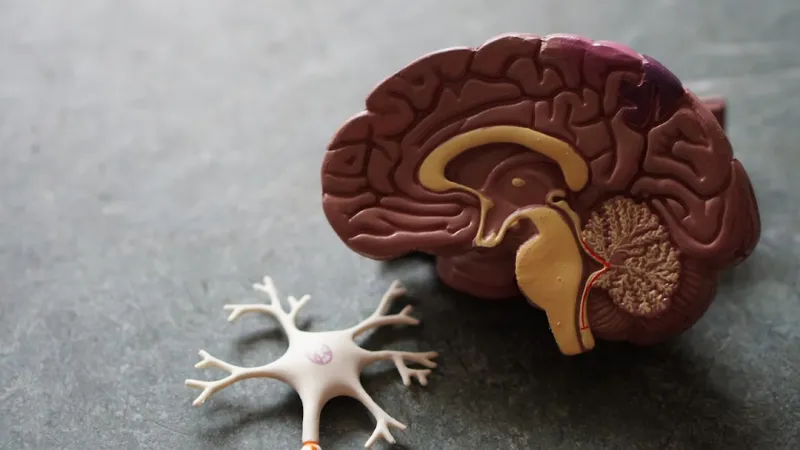
Unlocking the Secrets to Peak Brain Health: A Holistic Journey
Explore a comprehensive, holistic roadmap to sharpen memory, improve focus, and protect your brain w... Read More
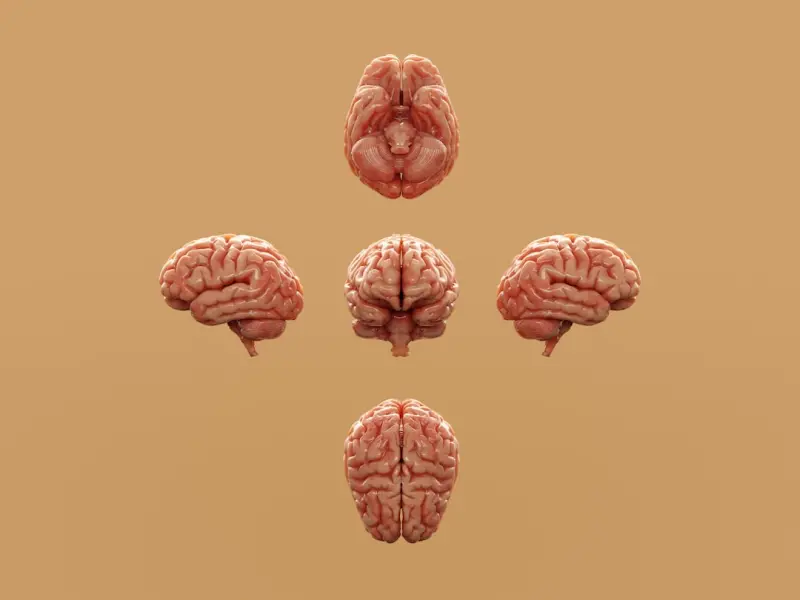
Nurturing Your Gut for a Sharper, More Resilient Brain
Explore the gut‑brain connection and learn actionable steps—from fermented foods to stress‑fre... Read More
Top Posts
Rewriting Your Weight Story: How Narrative Therapy Fuels Sustainable Fat Loss
A fresh take on weight loss shows that changing the story you tell yourself—seeing yourself as a hero rather than a victim—can rewire habits, boost motivati...Read More

Breathing Easy: Transform Your Home Air to Tame Sleep Apnea
A practical guide exploring how indoor pollutants, humidity levels, and ventilation patterns affect sleep apnea, with actionable steps, tech tips, and holistic ...Read More

Turning Diagnosis into a Launchpad for Reinvented Life
A cancer diagnosis can become a catalyst for intentional redesign. Discover how to re‑frame the narrative, adopt micro‑habits, leverage community, and align...Read More

Decoding Sleep Terrors: A Holistic Path to Nighttime Calm
Sleep terrors are more than scary episodes; they’re signals from an overactive nervous system. This post offers a holistic toolkit—vagal breathing, environm...Read More
0 Comments
Post Comment
You will need to Login or Register to comment on this post!