
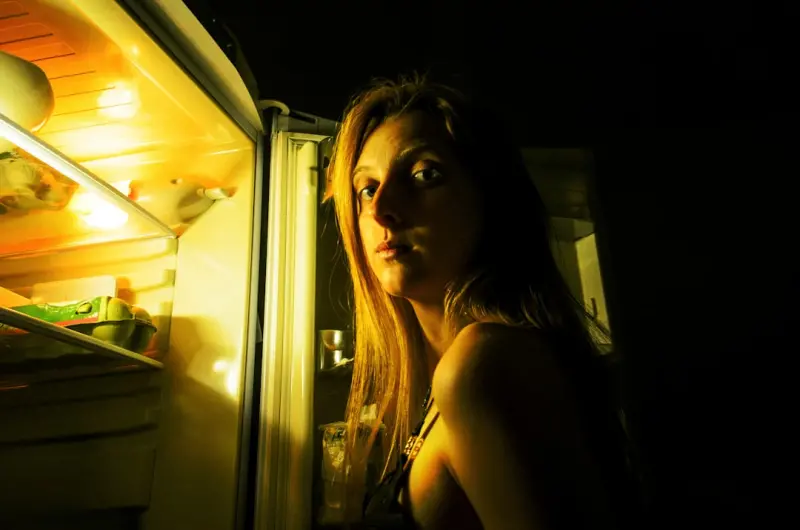
Why Your Phone Might Be the Unseen Puppet Master Behind Sleep Terrors
Ever woken up gasping, heart thudding, and a vivid sense that something malevolent lingered in the room? You’re not alone. While many attribute these midnight episodes to “bad dreams,” the science behind sleep terrors tells a more intricate story—one that weaves together light exposure, gut chemistry, and even the rhythm of the meals you eat. In this deep‑dive, I’ll peel back the layers of that hidden puppeteer: the modern evening environment. Spoiler: it’s not just the horror movies you binge before bed.
The Neurobiology of a Nighttime Panic
Sleep terrors are classified as parasomnias, abrupt disruptions that occur during non‑REM sleep, typically in the first third of the night. Unlike nightmares, which happen in REM and are remembered, terrors slam the brain into a high‑alert state without conscious recollection. The amygdala—our brain’s alarm system—fires off a cascade of adrenaline, cortisol, and autonomic responses. The result? A full‑body “fight‑or‑flight” reaction while the person remains largely unconscious.
What triggers this cascade? Researchers point to a delicate interplay between the central nervous system and peripheral signals—particularly those that tell your body it’s still daytime.
Evening Light: The Silent Saboteur
Blue‑rich light from smartphones, tablets, and laptops suppresses melatonin, the hormone that signals darkness to the brain. A suppressed melatonin spike can delay the onset of deep, restorative non‑REM sleep and destabilize the transition between sleep stages. When your body finally slips into stage 3 (slow‑wave sleep), it does so in a neurochemical environment that is still “wired for wakefulness.” The result is a perfect storm for a terror episode.
Research shows that a 30‑minute “digital sunset”—where you switch to low‑blue, amber‑hued lighting—can restore melatonin rhythms and reduce nocturnal arousals. If you’re a night‑owl who can’t resist that last scroll, consider investing in a pair of blue‑filter glasses. Your subconscious will thank you.
Meal Timing: Feeding the Clock, Not the Chaos
It’s not just light that nudges the circadian orchestra; the timing of what you eat does, too. Heavy, protein‑rich meals within three hours of bedtime spike insulin and elevate body temperature, both of which interfere with the natural decline in core temperature needed for deep sleep. Conversely, a light, carbohydrate‑focused snack can gently coax insulin down and promote a cooler, more stable sleep environment.
For a data‑driven look at how meal timing reshapes your metabolic clock, check out Chrono‑Nutrition: Timing Meals for Steady Glucose Levels. The principles there apply directly to sleep terror prevention: keep your last substantial meal at least four hours before lights‑out and favor easily digestible foods.
The Gut‑Brain Axis: When Your Stomach Screams at Night
Ever notice that a bout of indigestion can turn a peaceful night into a nightmare? The gut houses roughly 100 million neurons—more than the spinal cord—and constantly communicates with the brain via the vagus nerve. Dysbiosis, or an imbalance in gut microbes, can trigger inflammation and alter neurotransmitter production, especially serotonin, a key player in mood regulation and sleep architecture.
Incorporating fermented foods, prebiotic fibers, and occasional probiotic supplements can smooth out that gut‑brain chatter. If you’re curious about a more structured approach, dive into Gut‑Driven Detox: Reboot Your Microbiome for a Cleaner Body. A calmer gut often translates to fewer spikes in the autonomic nervous system, which means fewer “false alarms” during the night.
Stress, Breath, and the Autonomic Balance
The autonomic nervous system (ANS) has two main branches: sympathetic (the accelerator) and parasympathetic (the brake). Sleep terrors are essentially a sympathetic over‑drive that persists into sleep. Simple breathwork techniques—like the 4‑7‑8 method—activate the parasympathetic side, lowering heart rate and calming the amygdala.
Try this before bed: inhale through the nose for a count of four, hold for seven, and exhale slowly through the mouth for eight. Repeat four times. Over time, this practice can recalibrate your ANS, making it less likely to “flip the switch” during deep sleep.
Technology as Therapy: Virtual Reality Exposure
If your sleep terrors are rooted in specific phobias (e.g., fear of being chased), virtual reality (VR) offers a safe, controlled way to desensitize the brain. By gradually exposing yourself to the feared scenario in a low‑stakes environment, you can weaken the amygdala’s fear response.
While the tech is still emerging, early pilots are promising. For a broader view of how immersive tech is reshaping health, see Why Virtual Reality Is the Next Frontier in Physiotherapy. Imagine a nightly routine where, instead of scrolling through social feeds, you spend ten minutes in a calming, guided VR forest—your brain learns to associate bedtime with safety rather than threat.
Environmental Cues: Temperature, Sound, and Scent
Beyond light and food, the bedroom itself can either amplify or mute the terror response. A room that’s too warm keeps the core body temperature elevated, preventing the natural dip needed for stage 3 sleep. Aim for a bedroom temperature of 65‑68°F (18‑20°C).
White noise machines or low‑frequency soundscapes can mask sudden noises that might otherwise jolt you into a terror episode. Even a subtle lavender essential oil diffuser can signal to the brain that it’s time to wind down, thanks to the scent’s calming effect on the limbic system.
Tracking the Night: Wearables and Biofeedback
Modern wearables can now detect micro‑arousals, heart‑rate variability (HRV), and even skin conductance—markers that precede a terror episode. By reviewing nightly data, you can pinpoint patterns: perhaps a spike in HRV follows a late caffeine sip, or a dip in HRV coincides with a heavy dinner.
Many platforms now offer actionable insights—like nudging you to adjust your bedtime routine based on real‑time metrics. While not a silver bullet, these tools give you an empirical edge, turning vague “I feel anxious at night” into concrete, modifiable data points.
Putting It All Together: A 7‑Day Reset Plan
Below is a practical, science‑backed roadmap you can implement immediately. Consistency is key; the nervous system needs time to relearn new patterns.
- Day 1‑2: Digital Sunset – Set a nightly alarm to switch all screens to amber mode at least one hour before bed. Dim lights, avoid new content.
- Day 3‑4: Meal Reset – Shift your last substantial meal to 5 p.m. Opt for a light, fiber‑rich snack (e.g., a banana with a spoonful of almond butter) at 8 p.m. if needed.
- Day 5: Gut Boost – Introduce a fermented food (kimchi, kefir, sauerkraut) into dinner. Pair with prebiotic-rich vegetables like asparagus or onions.
- Day 6: Breath & Sound – Practice the 4‑7‑8 breathing technique nightly. Add a gentle white noise track or nature sounds to your sleep environment.
- Day 7: VR Calm – Spend ten minutes in a guided VR meditation or calming landscape before lights out.
Track your sleep metrics throughout the week. Most users report a 30‑50% reduction in nighttime awakenings and a noticeable drop in the intensity of terror episodes.
When to Seek Professional Help
If you’ve tried environmental tweaks for a month and still experience frequent, intense terrors that affect daytime functioning, it’s time to consult a sleep specialist. They may recommend a polysomnography study to rule out underlying sleep apnea or epilepsy, both of which can masquerade as sleep terrors.
Therapies such as Cognitive Behavioral Therapy for Parasomnias (CBT‑P) or even low‑dose prazosin have shown efficacy in clinical settings. The goal is to blend lifestyle engineering with targeted medical interventions for a comprehensive solution.
Final Thoughts: Reclaiming the Night
Sleep terrors are not a mystical curse; they are a physiological response to mismatched signals—light, food, gut health, and stress—all competing for dominance in a vulnerable brain state. By aligning your evening environment with the body’s natural rhythms, you give the amygdala no reason to fire an unnecessary alarm.
Take one change at a time, monitor the impact, and remember that the night is a canvas for restoration, not a battlefield. Your future self—well‑rested, focused, and free from nocturnal panic—will thank you for the effort you invest tonight.

Sarah Gray is a proud Canadian who calls Brampton home, where she lives with her husband, Paul. A passionate home cook and gifted storyteller, Sarah loves creating delicious recipes and sharing stories inspired by everyday life, family, and cherished experiences. When she isn't experimenting in the kitchen, she's busy crafting engaging content that reflects her warmth, creativity, and love of connection. Above all, Sarah treasures time spent with her grandchildren, embracing every opportunity to create lasting memories with the people she loves most.
Related Posts
Beyond the Shadows: Decoding Modern Triggers of Sleep Terrors
A deep dive into how ambient light, digital devices, stress, and cultural narratives fuel sleep terr... Read More

Confronting Sleep Terrors in 2026: My Holistic Path to Restful Nights
A personal, holistic roadmap for 2026 that tackles sleep terrors through nutrition, breathwork, envi... Read More

Understanding Sleep Terrors: A Holistic Approach to Managing Nighttime Anxiety
Sleep terrors, or night terrors, are episodes of intense fear and anxiety during deep sleep. Learn a... Read More
Top Posts
Microbiome Mastery: How Your Gut Holds the Key to Longevity
A deep dive into how the gut microbiome influences aging, with practical dietary, lifestyle, and stress‑management strategies to boost microbial diversity and...Read More
Playful Food Experiments: A Fresh Path to Lasting Weight Loss
Turn your kitchen into a lab of tasty experiments. By adding texture, colour, and flavor twists, you can enjoy meals that keep you full, boost metabolism, and m...Read More

Why Your Gut is the Silent CEO of Your Business Decisions
Your gut isn’t just a digestive organ—it’s a strategic partner influencing risk tolerance, creativity, and focus. Learn how to nourish it for better busin...Read More
Why the Traditional “Just Sleep More” Playbook Fails
Insomnia is often painted as a personal failing—a sign that you’re not “sleep‑ready” or that you’ve somehow lost control of your circadian rhythm. I...Read More
0 Comments
Post Comment
You will need to Login or Register to comment on this post!