
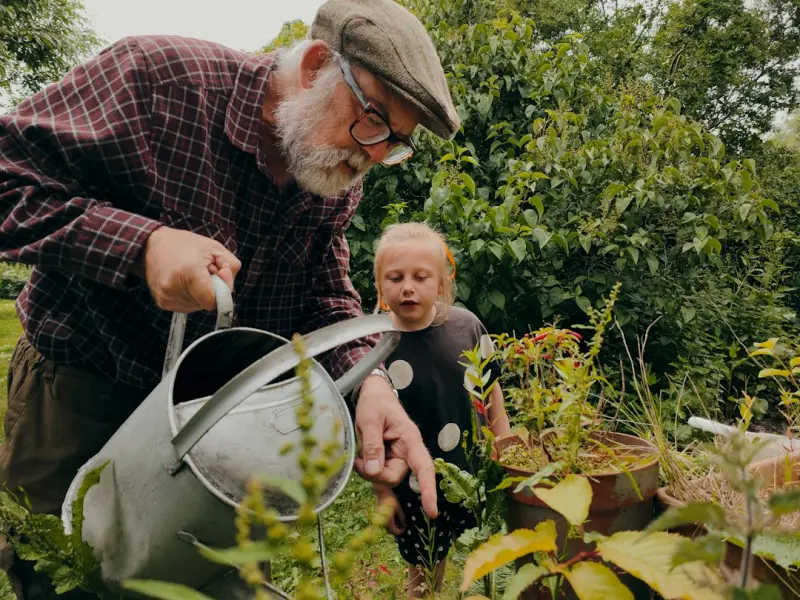
Why Community Gardens Are the Unsung Hero of Senior Wellness
When most people think about staying healthy after 65, they picture daily walks, medication adherence, and perhaps a weekly yoga class. What they often overlook is the transformative power of getting their hands dirty in a shared garden. The simple act of planting, nurturing, and harvesting can spark a cascade of benefits that touch the body, brain, and spirit—all while fostering genuine connections with neighbors.
Physical Benefits That Grow With Every Season
Gardening isn’t just a hobby; it’s a low‑impact workout that can be tailored to any ability level. The repetitive motions of digging, weeding, and watering engage major muscle groups, improve joint flexibility, and boost cardiovascular health without the joint‑stress that high‑intensity gyms can cause.
- Strength & Balance: Lifting a pot, bending to prune, or carrying a basket of produce challenges core stability, helping seniors maintain balance and reduce fall risk.
- Bone Density: Weight‑bearing activities, even as gentle as a raised‑bed garden, stimulate osteoblast activity, supporting healthier bones.
- Blood Pressure & Heart Health: Studies show that regular moderate activity—like a 30‑minute gardening session—can lower systolic blood pressure by up to 5 mmHg.
These physical gains are achieved while soaking up vitamin D from sunlight, an essential nutrient for bone health that many seniors lack due to limited outdoor exposure.
Cognitive Gains That Take Root
The brain thrives on novelty and purposeful engagement. Gardening provides a constant stream of new challenges: learning the timing for sowing, identifying pests, or rotating crops. This mental stimulation can slow the cognitive decline that often accompanies aging.
Research links horticultural activities to increased production of brain‑derived neurotrophic factor (BDNF), a protein that supports neuron growth and plasticity. In practical terms, seniors who garden regularly report sharper memory, better problem‑solving skills, and a heightened sense of mental clarity.
Social Connection: From Seedlings to Stronger Communities
Isolation is a silent epidemic among older adults, with profound effects on mental and physical health. Community gardens create a natural gathering space where seniors can share tips, stories, and laughter—turning a solitary act into a collective experience.
These shared moments foster a sense of belonging, which research ties to lower rates of depression and improved immune function. Moreover, the intergenerational nature of many garden projects—young volunteers working side‑by‑side with elders—helps bridge age gaps, reinforcing respect and empathy across generations.
Nutrition That Grows From the Ground Up
There’s a unique satisfaction that comes from eating food you’ve cultivated yourself. Fresh, nutrient‑dense produce harvested at peak ripeness retains more vitamins, minerals, and antioxidants than store‑bought alternatives that travel long distances.
When seniors incorporate garden‑grown vegetables into their meals, they naturally increase fiber intake, support gut health, and improve overall digestive function. For those curious about how diet intertwines with the gut‑brain axis, explore the insights from Listening to Your Gut—a deep dive into nutritional intelligence that complements the garden’s bounty.
Getting Started: A Practical Blueprint for Seniors
Launching a garden doesn’t require a sprawling backyard. Here’s a step‑by‑step guide to help seniors (and their supporters) create a thriving green space:
- Assess the Space: Identify a sunny spot (at least 6 hours of direct light) or consider raised beds and container gardens for limited ground area.
- Choose Low‑Maintenance Crops: Lettuce, radishes, herbs (basil, mint), and cherry tomatoes are forgiving and provide quick rewards.
- Gather Tools: Opt for ergonomic tools with padded handles to reduce strain—think lightweight trowels, long‑handled weeders, and kneeling pads.
- Plan a Routine: Set a manageable schedule—15‑minute daily checks or a 2‑hour weekend session works well for most seniors.
- Invite Neighbors: Turn the garden into a social hub by hosting a weekly “Garden Talk” where participants share updates and swap recipes.
Overcoming Common Barriers
Even the most motivated seniors can encounter obstacles. Below are practical solutions to keep the garden flourishing:
- Physical Limitations: Raised beds at waist height eliminate the need for constant bending. Wheelchair‑accessible pathways ensure mobility for all participants.
- Weather Concerns: Shade cloths protect delicate seedlings during hot spells, while row covers extend the growing season in cooler months.
- Knowledge Gaps: Partner with local horticulture clubs, extension services, or community colleges that often offer free workshops tailored to older adults.
- Safety & Security: Install simple lighting and lockable tool sheds to safeguard the space after hours.
Success Stories That Illustrate the Impact
Across the country, seniors are turning vacant lots into vibrant ecosystems that enrich their lives:
- Maple Grove Community Garden (Midwest): A group of retirees transformed a forgotten park corner into a kale‑filled oasis. Within six months, participants reported a 30% reduction in self‑reported loneliness and a measurable drop in blood pressure.
- Sunset Terrace Garden (West Coast): Using rooftop containers, seniors cultivated herbs and micro‑greens. The garden’s produce became the centerpiece of a weekly cooking class that sparked intergenerational friendships.
- Harborview Garden Club (East Coast): Members adopted a “seed swap” model, exchanging heirloom varieties and cultural stories. The initiative sparked a local exhibition on food heritage, drawing media attention and additional funding.
The Ripple Effect: From Personal Health to Community Resilience
When seniors actively participate in gardening, they become stewards of the environment, advocates for sustainable food systems, and role models for healthy aging. Their involvement often inspires younger neighbors to adopt greener habits, creating a virtuous cycle that strengthens the entire community’s health fabric.
In fact, the sense of purpose derived from nurturing living plants aligns closely with the principles discussed in Playful Longevity. The joy of watching a seed sprout into a thriving plant fuels optimism, which in turn fuels physiological resilience.
Integrating Technology Without Losing the Soil Connection
While the essence of gardening is tactile, technology can enhance accessibility. Simple tools like moisture‑sensor stakes, smartphone reminders for watering, and voice‑activated assistants help seniors manage their plots even when memory lapses occur. However, the goal is to keep the experience grounded—literally and figuratively—in the earth.
Final Thoughts: Planting the Seeds for a Healthier Future
Community gardening offers a multi‑dimensional prescription for senior health—one that merges movement, nutrition, cognition, and social interaction into a single, rewarding activity. By cultivating green spaces, seniors not only sow the seeds of their own well‑being but also nurture the broader ecosystem of their neighborhoods.
Whether you’re a retiree looking for a new purpose, a caregiver seeking a holistic activity, or a city planner aiming to design age‑friendly public spaces, consider the garden as a strategic health intervention. The soil is ready, the community is waiting, and the benefits are boundless.

Craig Brett is a freelancer with a passion for the outdoors. His love for nature inspires his work, bringing authentic and engaging perspectives to projects related to outdoor activities, adventure, and environmental topics.
Related Posts
Why Curiosity and Community Are the New Anti‑Aging Prescription for Seniors
Seniors can enhance brain health, immunity, and overall wellbeing by pairing playful curiosity with ... Read More

How Smart Pillboxes Are Redefining Senior Independence
Smart pillboxes turn medication management into a confidence‑boosting routine, offering reminders,... Read More

The Community Cure: Intergenerational Learning for Senior Wellness
A deep dive into how intergenerational mentorship programs empower seniors with cognitive, physical,... Read More
Top Posts

Beyond the Cloud: Crafting a Conscious Vaping Culture
Discover how vaping can evolve from a habit into a mindful ritual, leveraging tech, flavor psychology, and eco‑friendly choices for a healthier, more intentio...Read More

Resetting Your Body: Unconventional Paths to Natural Detox
Discover practical, evidence‑based techniques to support your body’s natural detox systems, including breathwork, mindful hydration, lymphatic flow, and sea...Read More

Glucose‑Smart Strategies: Tiny Tweaks for Big Performance Gains
Discover simple breathing exercises, snack architecture, and workspace tweaks that keep blood sugar steady, turning a hidden health factor into a powerful perfo...Read More

Chilling Out: How Cold Exposure Supercharges Health and Performance
A deep dive into the science and practical steps of cold exposure, revealing how short, consistent chill sessions can improve metabolic health, strengthen immun...Read More
0 Comments
Post Comment
You will need to Login or Register to comment on this post!