

Why Your Breath Is the Underrated Brain Booster You’ve Been Ignoring
When I first stumbled upon a research paper that linked controlled breathing to the birth of new neurons, I thought it was another gimmick. Fast‑forward a few months of personal experiments—five minutes of intentional breathwork each morning, a few deep sighs after stressful meetings—and my mental clarity jumped the way a caffeine surge does, but without the crash. The evidence is compelling, and the practice is so accessible that anyone can start today. Let’s dive into the science, the practical steps, and the subtle ways breath reshapes the brain.
The Neuroscience of Breath: From Oxygen to Neurogenesis
Neurogenesis, the creation of fresh neurons, was once thought to be limited to childhood. Modern studies now show that the hippocampus—the brain’s memory hub—continues to generate new cells throughout adulthood, especially when exposed to the right physiological signals. One of those signals is the surge of oxygen that follows a slow, diaphragmatic inhale. Oxygen fuels mitochondrial activity, which in turn powers the production of brain‑derived neurotrophic factor (BDNF), a protein that encourages neuronal growth and synaptic plasticity.
But breath does more than just deliver oxygen. The act of breathing in a deliberate rhythm activates the parasympathetic nervous system, lowering cortisol and creating an internal environment conducive to cellular repair. When cortisol spikes, it can inhibit BDNF and even shrink the hippocampus over time. By deliberately slowing the breath, you flip the switch from fight‑or‑flight to rest‑and‑digest, giving your brain the space it needs to rebuild.
Three Breathwork Techniques That Supercharge Brain Health
Below are three evidence‑backed methods that fit neatly into a busy professional schedule. Each can be practiced in under ten minutes and requires nothing more than a quiet corner.
- Box Breathing (4‑4‑4‑4): Inhale for four counts, hold for four, exhale for four, and hold again for four. This square rhythm stabilizes heart rate variability, a key metric linked to cognitive flexibility.
- 4‑7‑8 Breath: Inhale through the nose for four seconds, hold for seven, then exhale through the mouth for eight. The extended exhalation stimulates the vagus nerve, enhancing the parasympathetic response and supporting memory consolidation.
- Alternate Nostril Breathing: Close the right nostril, inhale left, switch, exhale right; then inhale right, switch, exhale left. This practice balances hemispheric activity, fostering improved focus and emotional regulation.
Pick one technique and commit to it for 21 days—just enough time for a habit to form and for measurable changes in brain function to appear.
Integrating Breathwork Into a Brain‑Friendly Routine
It’s easy to treat breathwork as an isolated ritual, but the real magic happens when you weave it into the fabric of your day. Here’s a sample schedule that respects the flow of a typical office worker:
- Morning Reset (5 minutes): Right after you sit at your desk, perform a round of Box Breathing. This clears residual grogginess and primes the prefrontal cortex for strategic thinking.
- Mid‑day Recharge (2 minutes): Before lunch, step away for a quick 4‑7‑8 session. The longer exhale combats the post‑meal dip in alertness.
- Pre‑Meeting Calm (1 minute): Just before a high‑stakes call, practice a single cycle of Alternate Nostril Breathing to steady nerves and sharpen articulation.
- Evening Wind‑Down (5 minutes): In the dim light of your living room, repeat Box Breathing while reflecting on the day’s achievements. This not only supports sleep quality but also consolidates memory traces formed earlier.
Notice how each touchpoint targets a specific brain function—focus, memory, emotional regulation—making breathwork a multi‑dimensional brain‑health tool.
Why Breath Beats the “Brain Food” Trend (But Doesn’t Replace It)
We’ve all seen headlines glorifying blueberries, walnuts, or turmeric as miracle brain foods. While nutrition undeniably matters, the metabolic cascade triggered by intentional breathing happens instantaneously. You can’t eat a blueberry and feel your heart rate drop within seconds. Breathwork offers an immediate feedback loop: you inhale, you feel calmer; you exhale, you notice tension release. Pairing the two—nutrient‑dense meals with regular breath practices—creates a synergistic effect that amplifies BDNF production and protects against oxidative stress.
Connecting Breathwork to Other Holistic Practices
If you’ve been exploring sensory grounding techniques to tame mental clutter, you’ll find that breathwork complements them perfectly. Grounding anchors you in the present moment through external stimuli (touch, sound, sight), while breath anchors you internally. Together, they form a 360° approach to mental quietude.
Similarly, many of the brain vitality hacks discussed in previous posts focus on external triggers—playful movement, aromatic stimulation, micro‑habits. Breath is the invisible thread that ties these experiences together, ensuring the nervous system remains receptive to the benefits of each hack.
Measuring the Impact: Simple Metrics You Can Track
Quantifying the benefits of breathwork may seem abstract, but a few low‑tech metrics can give you a clear picture:
- Heart Rate Variability (HRV): Many wearables display HRV. Consistent improvements over weeks suggest enhanced parasympathetic tone.
- Reaction Time: Use online cognitive tests (e.g., Stroop or simple visual reaction tasks) weekly. Faster responses correlate with better neural processing speed.
- Mood Journals: Rate your stress and focus on a 1‑10 scale before and after breath sessions. Look for upward trends.
- Sleep Quality: Note how quickly you fall asleep and how refreshed you feel. Breathwork’s influence on the vagus nerve often translates into deeper, more restorative sleep.
Common Pitfalls and How to Avoid Them
Even the best intentions can be derailed by subtle mistakes. Here are the most frequent missteps and quick fixes:
- Shallow Chest Breathing: Many people think they’re “breathing” when they’re merely moving the shoulders. Focus on expanding the belly; place a hand on your abdomen to feel the rise.
- Rushing the Rhythm: The power lies in the pause. If you find yourself speeding up, reset with a count—silently count “one, two, three…” on each inhale.
- Skipping Consistency: Missing a day can feel like a setback, but the brain is forgiving. Simply resume the next day; the habit will rebuild.
- Practicing on a Full Stomach: Heavy meals can compress the diaphragm, limiting depth. Aim for breath sessions at least an hour after eating.
Real‑World Success Stories
Below are brief snapshots from professionals who integrated breathwork into their lives:
- Data Analyst, 34: After three weeks of morning Box Breathing, reported a 20% reduction in “brain fog” during data‑intensive tasks and an HRV rise of 12 ms.
- Creative Director, 42: Used Alternate Nostril Breathing before client pitches. Noted sharper articulation and a calmer presence, leading to a 15% higher win rate on proposals.
- Software Engineer, 28: Adopted 4‑7‑8 breath before nightly coding sessions. Sleep latency dropped from 45 minutes to under 15, resulting in a 30% boost in debugging efficiency.
Putting It All Together: Your 30‑Day Breath Blueprint
Ready to test the theory for yourself? Follow this structured plan and watch the data roll in.
- Day 1‑7: Foundation – Choose one technique (Box Breathing) and practice twice daily for five minutes each.
- Day 8‑14: Expansion – Add a second technique (4‑7‑8) for a post‑lunch reset.
- Day 15‑21: Integration – Insert a quick Alternate Nostril session before high‑stress meetings.
- Day 22‑30: Optimization – Track HRV, reaction time, and mood. Adjust timing based on which metrics improve most.
At the end of the month, you’ll have a data‑driven picture of how breath reshapes your cognition, mood, and resilience. The best part? You didn’t need a supplement, a pricey device, or a drastic lifestyle overhaul—just a few conscious breaths.
Final Thoughts: Breath as Your Brain’s Daily Reset Button
Our brains are remarkably adaptable, but they also crave regular, intentional signals to stay plastic and healthy. Breathwork delivers those signals in the most direct way possible: by controlling the very air that fuels our cells. When you make breathing a disciplined habit, you’re not just calming the mind—you’re actively sculpting neural pathways, protecting against age‑related decline, and sharpening the mental tools you rely on daily.
Give yourself permission to pause, inhale deeply, and exhale slowly. In those few seconds, you’re performing a neuro‑engineered reset that will pay dividends in focus, creativity, and emotional balance for years to come.

Tom Ferguson is a Canadian freelance writer with a passion for storytelling, current events, and thoughtful commentary. Drawing on years of writing experience, he shares engaging insights on a wide range of topics, bringing a uniquely Canadian perspective to his work.
Related Posts
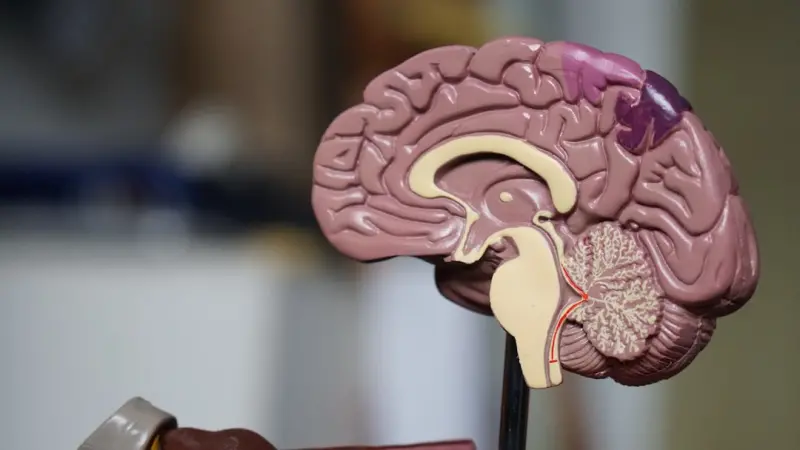
Ignite Neuroplasticity: Playful Curiosity as the Ultimate Brain Hack
Learn to transform everyday moments into neuro‑boosting adventures using play, sound, movement, an... Read More

Tiny Movement Breaks: The Brain’s Secret Power‑Up
Learn why short, dynamic micro‑movement breaks are the ultimate brain‑boosting tool for modern p... Read More
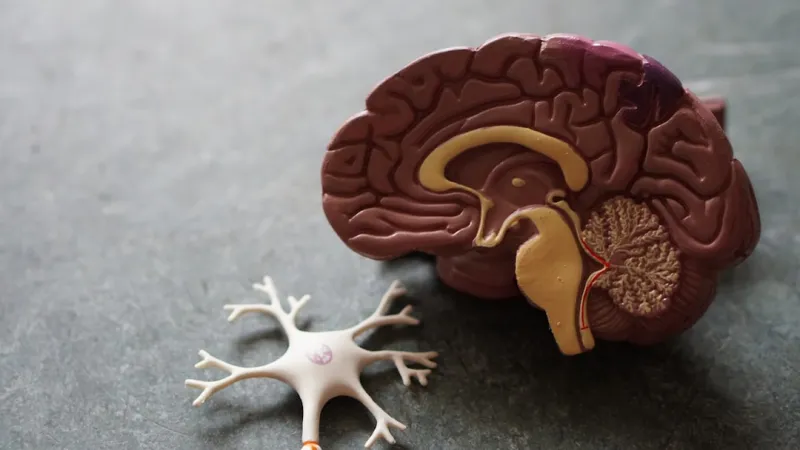
Navigating the Complex World of Brain Health: A Holistic Approach
Maintaining brain health is crucial for overall wellbeing. Learn how to adopt a holistic approach to... Read More
Top Posts

Nikki McDonald’s Holistic Nutrition Blueprint: From Gut Health to Seasonal Eating
Nikki McDonald shares a holistic nutrition roadmap that ties gut health, macro balance, and seasonal foods into a vibrant, sustainable wellness lifestyle.---...Read More

Why Scheduled Mental Rest Is the Missing Piece in Your Wellness Puzzle
Explore a fresh approach to mental health by scheduling purposeful rest periods. Learn practical techniques, tracking methods, and how to make rest a core habit...Read More

The Creative Kitchen: Turning Cooking into a Weight‑Loss Power Play
Explore a fresh, creative approach to weight loss by treating cooking as an artistic playground—using themes, ingredient swaps, and storytelling to stay lean ...Read More

Why Modern Men Need a New Playbook for Longevity and Vitality
A comprehensive guide for men that combines functional movement, cognitive resilience, and lifestyle engineering to build lasting health, performance, and longe...Read More
0 Comments
Post Comment
You will need to Login or Register to comment on this post!