
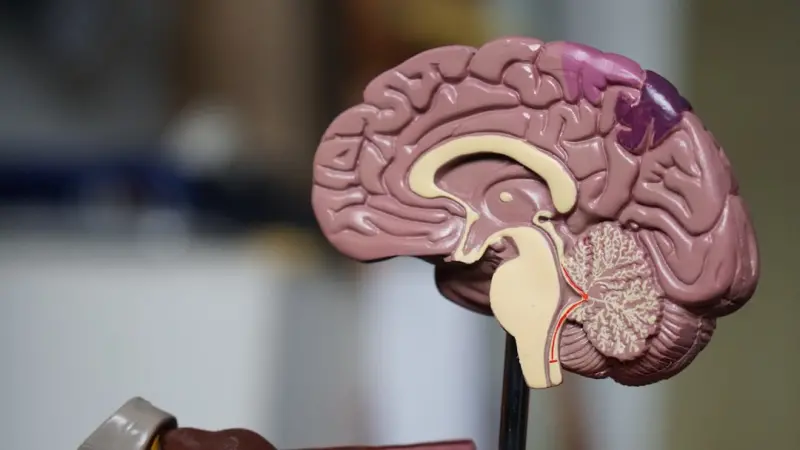
Rewiring the Brain Through Playful Curiosity
When I first noticed my mind drifting into autopilot during long meetings, I realized that my brain had been conditioned to run on efficiency, not exploration. Playful curiosity—the intentional act of asking “what if?” and experimenting without a predefined outcome—acts like a gym for neurons, compelling them to form new pathways and strengthen existing ones. This mindset shift transforms mundane tasks into opportunities for neuroplastic growth, allowing the brain to stay resilient in the face of stress and age‑related decline.
The Science Behind Neuro‑Exploration
Neuroscientists describe the brain’s capacity to reorganize itself as neuroplasticity, a process heavily influenced by novelty, challenge, and reward. When we engage in activities that surprise the brain—like learning a rhythm on a hand‑drum, solving a puzzle in a foreign language, or navigating an unfamiliar city route—dopamine spikes, signaling the brain to reinforce those newly forged connections. Over time, these micro‑adventures accumulate, creating a dense web of synaptic links that support memory, attention, and emotional regulation.
Integrating Play into Daily Routines
Embedding curiosity into everyday life doesn’t require a radical overhaul; it begins with small, intentional tweaks. For instance, swapping a regular coffee break for a five‑minute “idea sprint” where you sketch a quick doodle or write a random sentence can ignite the brain’s reward circuitry. Another effective habit is to rotate your commute—walk a different street, take a new bus route, or simply observe details you usually ignore—turning a routine chore into a sensory expedition that keeps the hippocampus engaged.
Micro‑Challenges: The Power of Tiny Wins
Micro‑challenges are bite‑sized tasks that push the brain just enough to stay out of its comfort zone without causing overwhelm. Examples include memorizing a new word each day, learning a simple magic trick, or cooking a dish using an unfamiliar spice. These tiny victories release bursts of norepinephrine, sharpening focus and fostering a growth mindset that translates to larger cognitive projects. Over weeks, the cumulative effect resembles a high‑intensity interval training session for the mind.
Scheduled Mental Rest: The Hidden Reset Button
Even the most adventurous brain needs downtime to consolidate the neural pathways forged during play. scheduled mental rest acts as a strategic pause, allowing synaptic pruning to eliminate noise and strengthen valuable connections. Simple practices like a 10‑minute eyes‑closed meditation, a brief nature walk without technology, or a gentle humming session can dramatically improve recall and creative problem‑solving the next day.
Soundscapes as Cognitive Boosters
Auditory environments shape brain activity more profoundly than we often recognize. Certain frequencies, such as binaural beats in the theta range (4–7 Hz), synchronize neural oscillations, enhancing focus and deep learning. By curating a personal soundscape—whether it’s the gentle rustle of leaves, soft instrumental music, or a carefully designed healing power of sound playlist—you create an external cue that signals the brain to enter a state of heightened receptivity.
Movement as a Catalyst for Synaptic Growth
Physical activity and cognitive stimulation are intertwined; the brain’s motor cortex lights up during both exercise and mental challenges. Incorporating coordinated movement—like dancing to unfamiliar rhythms, practicing tai chi, or even juggling—engages proprioceptive feedback loops that reinforce spatial awareness and executive function. Research shows that just 20 minutes of rhythmic movement can increase brain‑derived neurotrophic factor (BDNF), a protein essential for the survival of new neurons and the formation of memory.
Nutrition for a Curious Mind
Fueling the brain for exploration goes beyond caffeine. Foods rich in polyphenols (berries, dark chocolate), omega‑3 fatty acids (salmon, walnuts), and antioxidants (green tea, turmeric) support synaptic plasticity and reduce oxidative stress that hampers learning. Pairing these nutrients with mindful eating—savoring textures, aromas, and flavors—turns meals into multisensory experiments, further stimulating the gustatory and olfactory pathways that intersect with memory centers.
Building a Community of Explorers
Social interaction amplifies the benefits of individual curiosity, as shared experiences trigger mirror‑neuron activity and collective problem‑solving. Forming a “brain‑play club” with friends or colleagues—where members rotate leading short, curiosity‑driven workshops—creates accountability and injects fresh perspectives into each participant’s routine. Over time, this collaborative ecosystem not only sharpens individual cognition but also cultivates a culture where lifelong learning becomes the norm.

Lifan Chen is a freelancer based in Toronto specializing in marketing. With expertise in crafting effective marketing strategies and campaigns, Lifan helps businesses grow their brand presence and reach target audiences. As a Toronto-based freelancer, Lifan combines local market insights with creative marketing skills to deliver tailored solutions for clients.
Related Posts

Micro‑Creative Rituals: Tiny Daily Practices That Supercharge Your Brain
Micro‑creative rituals—simple, daily acts like doodling or humming—activate the brain’s rewa... Read More
Brain Health Mastery: A Holistic Blueprint for Sharper Thinking and Lasting Wellness
Explore a holistic roadmap to sharpen your mind—covering gut health, sleep, stress, movement, tech... Read More
Cognitive Cross‑Training: Why Your Brain Needs a Workout Routine
Learn to treat your brain like a muscle with a weekly cross‑training plan that mixes skill‑switc... Read More
Top Posts

Cycle Syncing: A Holistic Blueprint for Women’s Energy and Well‑Being
Learn how to harness the power of your menstrual cycle by tailoring food, exercise, sleep, and stress‑management to each hormonal phase for steadier energy, c...Read More

When the Plate Becomes a Battleground: Reframing Eating Disorders in the Modern Workplace
A deep dive into the hidden triggers of eating disorders in professional settings, offering actionable strategies to transform the office into a space that nurt...Read More

When the Algorithm Eats: How Social Media Fuels Modern Eating Disorders
A deep dive into how algorithmic feeds, diet apps, and online communities shape modern eating disorders, plus actionable strategies for individuals, professiona...Read More

The Green Side of Vaping: How to Make Your Cloud Habit Eco‑Friendly
Discover how to transform your vaping routine into a sustainable practice—choose refillable devices, extend coil life, pick eco‑friendly e‑liquids, and ad...Read More
0 Comments
Post Comment
You will need to Login or Register to comment on this post!