
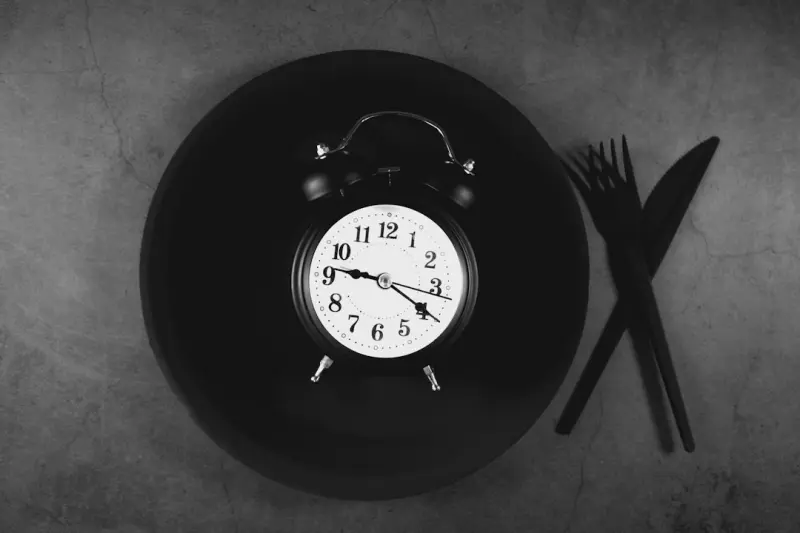
Why Timing Beats Counting Calories
When I first started obsessing over what I ate, I was convinced the secret to feeling unstoppable lay in the perfect blend of macro‑nutrients. Spoiler alert: it wasn’t. The real game‑changer was when I put that food on my plate. Suddenly, the same meals that left me sluggish at 2 p.m. turned into high‑octane fuel when I shifted them a few hours earlier. This isn’t a fad diet; it’s a science‑backed strategy that aligns eating patterns with our body’s internal clock.
The Clock Inside Us: Circadian Nutrition Explained
Every cell in our body runs on a 24‑hour rhythm, known as the circadian cycle. Light, temperature, and even hormone release follow this schedule, and—surprise—our digestive system is no exception. Research shows that insulin sensitivity, gastric emptying, and the release of hunger hormones like ghrelin peak at specific times of day. Ignoring this rhythm is like trying to sprint on a treadmill set to the wrong speed: you waste energy and invite fatigue.
In practical terms, eating a big carbohydrate‑heavy breakfast can leverage the morning surge in insulin sensitivity, turning glucose into usable energy instead of storage fat. Conversely, a late‑night pizza might hit a metabolic low point, prompting the body to stash calories rather than burn them. Understanding this gut‑brain connection helps us move beyond “calories in, calories out” and toward “timed fuel for optimal function.”
Three Proven Meal‑Timing Strategies
- Time‑Restricted Eating (TRE): Limit daily intake to an 8‑ to 10‑hour window, typically from 8 a.m. to 6 p.m. This aligns food consumption with daylight, supporting natural hormone cycles.
- Front‑Loading Calories: Consume the majority (≈ 60 %) of daily calories before noon. Studies link this pattern to better blood sugar stability and reduced evening cravings.
- Strategic Post‑Workout Refuel: Within 30 minutes after exercise, prioritize a blend of protein and fast‑digesting carbs. This window maximizes glycogen replenishment and muscle protein synthesis.
Putting Theory into Practice: A Day on My Plate
Here’s a snapshot of how I structure my meals without feeling deprived:
- 7:30 a.m. – Power Breakfast: Greek yogurt, mixed berries, chia seeds, and a drizzle of honey. The carbs are quickly absorbed, feeding the morning insulin peak.
- 11:30 a.m. – Mid‑Morning Snack: A handful of almonds and an apple. Light, fiber‑rich, and perfect for keeping hunger hormones at bay.
- 2:00 p.m. – Balanced Lunch: Quinoa bowl with roasted veggies, grilled salmon, and a lemon‑tahini dressing. Protein and complex carbs sustain energy through the afternoon slump.
- 5:30 p.m. – Pre‑Workout Fuel: A banana and a scoop of plant‑based protein powder. Simple sugars give a quick lift without overloading the stomach.
- 6:15 p.m. – Post‑Workout Recovery: Spinach‑sweet potato salad with a boiled egg and a splash of olive oil. This combo reloads glycogen and supports muscle repair.
- 8:30 p.m. – Optional Light Bite (if needed): A cup of herbal tea and a few carrot sticks. The goal is to keep the gut calm and avoid a heavy load before bedtime.
This schedule respects my circadian rhythm, keeps my energy steady, and—most importantly—prevents the dreaded “late‑night snack” spiral.
Why You Should Skip the Midnight Munchies
Eating close to bedtime disrupts the natural dip in cortisol and melatonin that prepares the body for restorative sleep. A heavy, carbohydrate‑rich meal can spike insulin, which in turn suppresses melatonin production. The result? Shallow sleep, morning grogginess, and a higher likelihood of storing those calories as fat. By setting a cut‑off time—ideally two to three hours before lights‑out—you safeguard both your sleep quality and metabolic health.
Common Pitfalls and How to Dodge Them
- “I’m Too Busy for a Schedule”: Start small. Choose a 10‑hour eating window for a week, then expand as you feel comfortable.
- “I Get Hungry Mid‑Afternoon”: Incorporate fiber‑rich snacks (think nuts, seeds, or a piece of fruit) that slow digestion and keep you satiated.
- “I Work Night Shifts”: Align your eating window with your “biological day” rather than the clock. If you’re awake from 2 a.m. to 10 a.m., treat 8 a.m. to 6 p.m. as your eating window, adjusting lighting to support circadian cues.
- “I Forget to Hydrate”: Water is the unsung hero of timing. Sip consistently throughout the day; dehydration can masquerade as hunger.
Integrating Meal Timing with Whole‑Food Choices
Timing works best when paired with nutrient‑dense foods. Think colorful vegetables, high‑quality proteins, healthy fats, and low‑glycemic carbs. These foods provide steady energy and prevent spikes that can throw off your internal clock. For instance, swapping a white‑bread sandwich for a sprouted‑grain wrap not only improves nutrient density but also slows glucose release—perfect for maintaining that post‑lunch alertness.
How to Track Success Without Obsessing Over Numbers
Instead of counting every calorie, focus on subjective markers:
- Energy levels throughout the day (are you crashing after meals?)
- Quality of sleep (do you wake up refreshed?)
- Cravings (are you reaching for sweets out of habit or true hunger?)
- Physical performance (is your workout feeling stronger?)
Journaling these observations for a two‑week period will reveal patterns that raw numbers can’t capture. Over time, you’ll fine‑tune the window that feels most natural for you.
Future‑Proofing Your Nutrition: Why Timing Is Here to Stay
As research on chronobiology expands, the consensus is clear: eating in sync with our circadian rhythm isn’t just a trend—it’s a cornerstone of sustainable health. Companies are already designing “smart” meal‑planning apps that suggest optimal eating windows based on your sleep data and activity levels. By adopting meal timing now, you’re not only gaining immediate benefits but also positioning yourself at the forefront of a nutritional revolution.
Takeaway Checklist
- Identify your natural “biological day” and set a consistent eating window (8‑10 hours).
- Front‑load the bulk of calories before noon.
- Include a post‑workout refuel within 30 minutes of exercise.
- Avoid large meals within 2‑3 hours of bedtime.
- Prioritize whole, nutrient‑dense foods to complement timing.
- Track energy, sleep, cravings, and performance rather than calories.
Give these steps a try for a fortnight, and you’ll likely notice a steadier mood, clearer focus, and a metabolism that feels like it’s finally working with you—not against you.

Brandy Miller is a dynamic freelance writer based in the vibrant city of Cambridge, Ontario. With a passion for storytelling that knows no bounds, she crafts compelling narratives that captivate and inspire. Brandy’s love for writing shines through in her versatile work, whether she’s penning thought-provoking articles or engaging content that resonates with readers. Her unique perspective and friendly tone make her a sought-after voice in the writing community. When she’s not weaving words together, you can find her exploring the beautiful landscapes of Ontario, always seeking new adventures and inspiration for her next piece. Brandy is not just a writer; she’s a creative force, making her mark one word at a time.
Related Posts
Culinary Synergy: Unlocking the Hidden Power of Food Pairing
Explore the science of food pairing, from matching fats with vitamins to pairing iron with vitaminâ€... Read More

Brain Fuel Hacks for Knowledge Workers
A data‑driven guide shows how timing, fermented foods, and targeted nutrients can turn everyday me... Read More

Why the Colors on Your Plate Matter More Than You Think
A vibrant plate isn’t just pleasing to the eye; it’s a powerful tool for hormonal balance. Explo... Read More
Top Posts

The Hidden Dangers of Insomnia: A Holistic Approach to Better Sleep
Insomnia is a complex condition that requires a holistic approach to treatment. Learn how to address underlying causes, make lifestyle changes, and prioritize s...Read More

The Art of Prenatal Storycraft: Turning Pregnancy Into a Narrative Journey
Discover how treating pregnancy as a living narrative can boost emotional resilience, turn cravings into plot twists, and make each milestone feel purposeful....Read More

Colorectal Cancer Screening Saves Lives
Colorectal cancer is highly preventable when caught early through routine screening. By identifying and removing precancerous polyps, you can stop the disease b...Read More

Move to Create: Harnessing Everyday Rhythm for Unstoppable Creativity
Integrating playful motion into everyday routines awakens the brain’s creative circuits, turning chores into inspiration labs and making imagination flow effo...Read More
0 Comments
Post Comment
You will need to Login or Register to comment on this post!