

Reimagining Body Detox: From Seasonal Rituals to Everyday Chemistry
When I first heard the word “detox,” I imagined a dramatic cleanse—green smoothies, pricey supplements, and a weekend locked away from the world. Over the years, my relationship with detox has evolved into something far more nuanced: a continuous, low‑grade negotiation between the body’s innate cleansing systems and the environment we invite into our daily lives. In this post, I’m pulling back the curtain on the subtle levers that keep our internal waters clear, the overlooked habits that amplify nature’s own detox pathways, and the ways we can embed these practices without turning our routines upside down.
The Body’s Built‑In Filtration Network
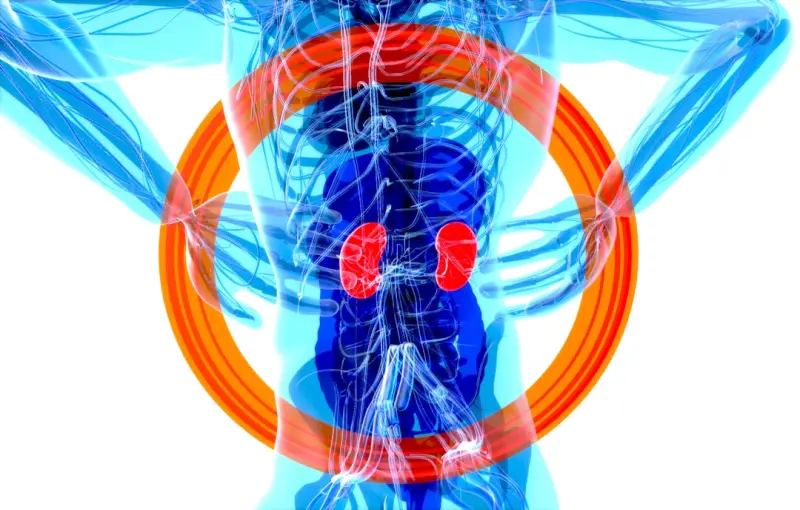
Before we dive into any “detox hacks,” it’s worth honoring the biological infrastructure already at work. The liver, kidneys, lymphatic system, skin, and gut microbiome form a coordinated filtration network that processes everything from metabolic waste to environmental pollutants. These organs are remarkably resilient, but they thrive on three core conditions:
- Hydration – Water is the solvent that carries toxins to the excretion points.
- Micronutrient Support – Vitamins and minerals act as cofactors for detox enzymes like cytochrome P450.
- Movement – Physical activity stimulates lymph flow and encourages sweat‑based elimination.
When any of these pillars falter, the system gets backed up, and that’s when we start feeling foggy, sluggish, or inflamed. The goal of a sustainable detox strategy is not to “reset” the body in a single weekend, but to fine‑tune these pillars so the system can operate at peak efficiency every day.
Seasonal Detox Rituals: Aligning with Nature’s Rhythm
One of the most under‑appreciated approaches is syncing detox practices with the seasons. Our ancestors didn’t have processed foods or indoor heating; they moved, ate, and rested in harmony with the sun and the earth. By borrowing a leaf from that playbook, we can create rituals that feel natural rather than forced.
Spring: Light‑Loading and Lymph Boost
Spring is the body’s natural “spring cleaning” window. The fresh, green bounty that emerges—think dandelion greens, asparagus, and nettles—contains chlorophyll, a molecule that binds to heavy metals and helps usher them out of the bloodstream. Pair this with a gentle yoga flow focused on twisting poses (seated spinal twist, supine twist) to massage the internal organs and stimulate lymphatic drainage.
Summer: Sweat, Sun, and Salt
When the temperature rises, our bodies are primed to sweat. A short, high‑intensity interval session or a brisk swim not only burns calories but also opens a powerful excretory route. Follow the session with a mineral‑rich electrolyte drink (a pinch of sea salt, a squeeze of citrus) to replenish the salts lost through sweat and keep the kidneys humming.
Autumn: Grounding and Gut‑Focused Foods
Cooler weather invites slower digestion, which is perfect for incorporating fermented foods—kimchi, sauerkraut, miso—that feed beneficial gut bacteria. A healthy microbiome produces short‑chain fatty acids that support liver detox pathways. Add a grounding walk among fallen leaves; the gentle impact on the feet stimulates the fascial network and encourages the flow of interstitial fluid.
Winter: Restorative Warmth and Internal Hydration
Cold months often lead to indoor heating that dries out mucous membranes, hindering the body’s ability to expel volatile toxins through the breath. Steaming herbal teas (ginger, dandelion root, licorice) and warm bone broths supply both hydration and amino acids that act as detox precursors. A daily practice of breathwork—slow diaphragmatic breathing for five minutes—helps keep the pulmonary detox route active.
Food Pairing as a Chemical Amplifier
Nutrition isn’t just about individual ingredients; it’s also about how those ingredients interact at a molecular level. Certain combinations can unlock hidden nutrients, enhance antioxidant capacity, and even improve the bioavailability of detox‑supporting compounds. A recent deep dive into how food pairings boost nutrient absorption highlighted the synergy between vitamin C‑rich foods and iron‑rich plant sources, dramatically increasing iron uptake.
Here are three pairings that specifically bolster detox pathways:
- Turmeric + Black Pepper – Curcumin (the active compound in turmeric) is poorly absorbed on its own, but piperine in black pepper can increase its bioavailability by up to 2,000 %.
- Broccoli + Mustard Seeds – The glucosinolates in cruciferous vegetables become more active when exposed to the enzyme myrosinase, which mustard seeds contain.
- Leafy Greens + Healthy Fats – Fat‑soluble antioxidants like beta‑carotene and lutein need a lipid partner (olive oil, avocado) to cross the intestinal wall efficiently.
By consciously designing meals around these pairings, you give the liver a richer toolbox of antioxidants and phase‑II conjugation agents, which are essential for neutralizing and flushing out toxins.
Micro‑Movement: The Underrated Lymphatic Lift
While high‑intensity cardio gets most of the spotlight, the lymphatic system doesn’t have a pump like the heart. It relies on external forces—muscle contractions, breathing, and joint movement—to propel lymph fluid. Simple, low‑impact actions woven throughout the day can make a huge difference.
- Rebounding on a mini‑trampoline for five minutes after lunch stimulates lymph flow without taxing the joints.
- Foam‑rolling the posterior chain (calves, hamstrings, back) loosens fascial adhesions that can trap interstitial fluid.
- Deep Belly Breathing—inhale through the nose, expanding the diaphragm, then exhale fully—creates a pressure gradient that pulls lymph toward the thoracic duct.
Even a habit like standing up to stretch for one minute every hour can prevent the “stagnation” that leads to swelling and toxin buildup.
Listening to Gut Signals: Your Internal Dashboard
The gut is more than a digestion tube; it’s a sophisticated communication hub. When the microbiome detects an overload of toxins, it often signals the brain through the vagus nerve, manifesting as bloating, mood swings, or cravings for bitter foods. Paying attention to these cues can guide you toward targeted adjustments.
For instance, a persistent desire for sour or bitter flavors might indicate a need for detox‑supporting phytochemicals. Incorporating a small glass of kefir, a handful of raw cacao nibs, or a splash of apple cider vinegar can satisfy that craving while delivering antioxidants and organic acids that aid liver function.
If you’re curious about decoding these subtle messages, check out this article on listening to gut signals. It offers a practical framework for translating gut whispers into actionable nutrition and lifestyle tweaks.
Tech‑Assisted Mindfulness: Using Data without Losing Humanity
While the word “detox” often carries a nostalgic, low‑tech vibe, modern wearables can actually help you stay accountable. A simple heart‑rate variability (HRV) monitor can alert you when stress spikes—an early warning that cortisol may be impairing liver detox enzymes. Set a gentle reminder to pause, breathe, and sip a glass of infused water when HRV dips below your baseline.
Similarly, hydration tracking apps ensure you’re meeting the daily water quota, which is the most straightforward way to support renal clearance. The key is to treat data as a supportive compass, not a rigid rulebook.
Mind‑Body Synchrony: The Role of Intentional Relaxation
Stress is a silent saboteur of detox. Elevated cortisol levels can impair the liver’s phase‑I and phase‑II detox enzymes, leading to a backlog of intermediate metabolites that feel “toxic” to the body. Incorporating a daily relaxation ritual—whether it’s a 10‑minute guided meditation, a warm foot soak with Epsom salts, or simply listening to calming instrumental music—creates a hormonal environment that favors efficient cleansing.
One practice that has worked wonders for me is the “five‑sense reset.” For two minutes, I deliberately focus on each sense: the scent of essential oil, the texture of a smooth stone, the sound of a distant chime, the taste of a lemon slice, and the sight of a green leaf. This brief immersion pulls the nervous system out of fight‑or‑flight mode, lowering cortisol and allowing the detox pathways to function unimpeded.
Putting It All Together: A Sample 7‑Day Flow
Below is a flexible template that integrates the concepts above. Feel free to swap foods, activities, or timing to suit your schedule.
- Day 1 – Spring Reset: Start the morning with a green juice (kale, cucumber, lemon, ginger). Midday, take a 10‑minute twisting yoga flow. Evening, enjoy a dinner of steamed asparagus topped with toasted sesame seeds and a drizzle of lemon‑tahini sauce.
- Day 2 – Summer Sweat: 20‑minute HIIT session followed by a citrus‑electrolyte drink. Post‑workout, eat a grilled salmon fillet with a side of quinoa and roasted beetroot, paired with a small serving of dark chocolate (70 % cacao).
- Day 3 – Autumn Grounding: Breakfast of miso‑flavored oatmeal with fermented kimchi. Afternoon walk on leaf‑covered trails, followed by a foam‑rolling routine. Dinner: roasted root vegetables with a turmeric‑black‑pepper glaze.
- Day 4 – Winter Warmth: Start with a ginger‑licorice tea, then practice 5‑minute diaphragmatic breathing. Lunch: bone broth with added seaweed and a handful of spinach. Evening, a short meditation before bedtime.
- Day 5 – Pairing Power: Lunch of lentil salad with orange segments, avocado, and a sprinkle of mustard seeds. Snack: a small cup of kefir with a dash of cinnamon. Dinner: stir‑fry broccoli, bell pepper, and tofu with a mustard‑turmeric sauce.
- Day 6 – Micro‑Movement: Set a timer to stand and stretch every hour. Incorporate 5‑minute rebounding after lunch. Evening, a gentle foot soak with Epsom salts.
- Day 7 – Integration: Reflect on how your body feels. Journal any gut signals you noticed throughout the week. Finish with a gratitude practice and a glass of infused water (cucumber‑mint).
This cycle is not a rigid prescription but a scaffold that encourages you to experiment, notice, and adjust. Over time, the rituals become second nature, and you’ll notice clearer skin, steadier energy, and a calmer mind—all signs that your internal detox highways are humming smoothly.
Final Thoughts: Detox as a Lifestyle, Not a Trend
Detox is often marketed as a quick fix, but the most sustainable version is woven into the fabric of everyday life. By honoring the body’s built‑in filtration system, aligning with seasonal rhythms, leveraging food chemistry, and staying attuned to gut feedback, you create a resilient foundation that can handle modern stressors without breaking down.
Remember: the goal isn’t a dramatic purge, but a gentle, ongoing partnership with your own biology. When you treat detox as a continuous conversation rather than a one‑time event, the results speak for themselves—clearer thinking, brighter skin, and a sense of lightness that carries you through each day.

Sarah Gray is a proud Canadian who calls Brampton home, where she lives with her husband, Paul. A passionate home cook and gifted storyteller, Sarah loves creating delicious recipes and sharing stories inspired by everyday life, family, and cherished experiences. When she isn't experimenting in the kitchen, she's busy crafting engaging content that reflects her warmth, creativity, and love of connection. Above all, Sarah treasures time spent with her grandchildren, embracing every opportunity to create lasting memories with the people she loves most.
Related Posts
The Hidden Power of Lymphatic Flow: A Fresh Take on Body Detox
Explore why the lymphatic system is the unsung hero of detox, and learn practical movement, breathin... Read More

Unlocking Cellular Cleanse: Infrared Light, Heat, and Modern Detox
Explore the science behind infrared light and heat therapy as powerful tools for deep cellular detox... Read More

The 2026 Body Detox Reset: My Holistic Blueprint for Clean Living
A practical 7‑day detox guide blending nutrition, liver care, and mental reset to help you cleanse... Read More
Top Posts

Pregnancy Project Management: A Playbook for Expectant Moms
Discover a fresh approach to pregnancy by treating it as a project. This playbook offers practical milestones, budgeting, self‑care sprints, and post‑birth ...Read More

The Hidden Levers of Muscle Growth: A Systems Approach
Muscle growth isn’t just about lifting heavier; it’s a complex system of signals, nutrition, sleep, and stress management. This guide reveals how micro‑ad...Read More

The Unseen Cost of Constant Connectivity: Reclaiming Mental Space in a Hyper‑Digital World
Constant notifications hijack our brain’s reward system, leading to anxiety and reduced focus. This post reveals micro‑rituals, digital‑workspace design, ...Read More
The Complex World of Autoimmune Diseases
Autoimmune diseases occur when the body's immune system mistakenly attacks healthy tissues and organs. Learn about the causes, symptoms, and treatment options f...Read More
0 Comments
Post Comment
You will need to Login or Register to comment on this post!