

Why Sleep Terrors Aren’t Just Night‑Time Nightmares
When the lights go out, most of us imagine a gentle drift into dreamland. For a fraction of the population, however, the darkness brings a sudden, visceral jolt: a scream, a racing heart, a feeling of being chased by something unseen. Those are sleep terrors, also known as night terrors, and they sit at the uneasy crossroads of neurology, psychology, and even workplace performance. In this piece I’ll share what I’ve learned from living with them, how the latest science reframes them, and why—against my own instinct—turning those midnight jolts into a source of creative energy might be the most productive thing you do all day.
Decoding the Night‑Time Spike
Sleep terrors belong to a family of parasomnias that arise during non‑REM sleep, typically in the first third of the night. Unlike nightmares, which are vivid stories that can be remembered upon waking, night terrors are more primal. The brain’s arousal system flips on while the body remains partially asleep, producing a surge of adrenaline, rapid breathing, and an overwhelming sense of danger.
- Physiological flashpoint: A sudden surge of cortisol and catecholamines spikes heart rate and blood pressure.
- Memory blackout: Most people wake up with a vague feeling of terror but no clear recollection of what triggered it.
- Age factor: While most common in children, up to 10 % of adults report occasional night terrors.
What’s fascinating is how these bursts of autonomic arousal echo what we experience during high‑stakes moments at work: a looming deadline, an unexpected client call, a crisis that demands instant problem‑solving. The brain doesn’t care whether the threat is real or imagined; it simply reacts.
My Personal Diary: From Panic to Curiosity
I first noticed the pattern in my twenties. I’d awaken in a cold sweat, heart hammering, the room feeling too small. The first instinct was to dread bedtime—until a therapist suggested I treat the episodes as data points rather than demons.
That shift in mindset felt almost rebellious. I began keeping a night‑time log—a few bullet points in a journal next to my bedside. I noted:
- Time of night
- Pre‑sleep activities (screen time, caffeine, exercise)
- Emotional tone before bed (stressful meeting, exciting news)
- Physical sensations during the episode
Within weeks, patterns emerged: late‑night caffeine spikes, a tendency to scroll through work emails right before lights out, and a correlation with days when I’d skipped my morning walk. The data turned the terror into something I could actually influence.
Connecting the Dots: The Gut‑Brain Axis
One surprising thread I discovered is the role of the gut microbiome in modulating sleep‑related arousal. Emerging research suggests that certain gut bacteria produce neurotransmitters—like GABA and serotonin—that calm the nervous system. An imbalance can tip the scales toward hyper‑reactivity, making night terrors more likely.
That insight led me to explore Microbial Mixology: Crafting a Gut That Thrives in a Hyperconnected World. By introducing fermented foods, prebiotic fibers, and occasional probiotic supplements, I noticed a subtle but consistent reduction in episode intensity. It wasn’t a magic bullet, but it reminded me that sleep health is rarely isolated—it’s a whole‑body conversation.
The Workplace Ripple Effect
Many readers assume sleep terrors are a personal, private issue. In reality, the aftershocks can echo through the office. A night terror can leave you with lingering cortisol that impairs focus, slows reaction time, and raises perceived stress levels the next day. Over time, this can erode productivity and increase burnout risk.
Conversely, acknowledging the condition openly can foster a culture of psychological safety. When leaders model vulnerability—perhaps by sharing a brief note about a restless night—team members feel more permitted to discuss their own sleep challenges, leading to collective solutions such as flexible start times or quiet‑room retreats.
Turning Terror into Creative Fuel
Here’s where the story gets interesting. The same surge of adrenaline that fuels a night terror also fuels creative breakthroughs. When the brain’s default mode network (DMN) is briefly overridden by a hyper‑aroused state, the prefrontal cortex can make unexpected connections, a phenomenon I call “the flash‑forge effect.”
To capture that spark, I’ve built a simple ritual:
- Immediate grounding: Upon waking, I practice a 30‑second diaphragmatic breath—inhale for four counts, exhale for six. This mirrors the breathwork discussed in Harnessing Wearables and Breathwork to Tame Blood Pressure, calming the sympathetic surge.
- Journaling the raw sensation: I jot down the physical feeling (“tight chest,” “claw‑like grip”) without trying to interpret it. The goal is to preserve the raw data, not the story.
- Metaphor conversion: Within ten minutes, I translate those sensations into a metaphor or a visual sketch. One night the terror felt “like a sudden gust of wind tearing a sail,” which later inspired a product pitch about “weather‑proof resilience” for our SaaS platform.
- Morning integration: I place the metaphor on a sticky note on my monitor. By noon, it’s a subtle reminder that the brain can generate high‑energy output under pressure—and that I can channel it deliberately.
This practice has transformed a disruptive event into a catalyst for ideas, presentations, and even code refactoring sessions. The key is not to romanticize the terror but to recognize its biochemical gift: a burst of neurochemical fuel that, when redirected, fuels innovation.
Practical Toolkit for Night‑Time Peace
Below is a curated toolbox that blends lifestyle, tech, and therapeutic interventions. Feel free to pick and choose what resonates.
- Temperature control: Keep the bedroom cool (around 65 °F). A cooler environment supports deeper non‑REM cycles, reducing the chance of abrupt arousal.
- Consistent wind‑down ritual: Dim lights, turn off screens at least an hour before bed, and engage in a low‑stimulus activity—reading a physical book, gentle stretching, or a short meditation.
- Breath‑focused wearables: Devices that cue paced breathing can be set to trigger when heart rate spikes. They serve as an “auto‑pilot” for calming the nervous system without conscious effort.
- Targeted nutrition: Incorporate magnesium‑rich foods (leafy greens, nuts) and avoid heavy meals within two hours of bedtime.
- Gut‑supporting diet: As mentioned, fermented foods like kefir, kimchi, and tempeh can help stabilize the gut‑brain axis.
- Cognitive reframing: Work with a therapist trained in imagery rescripting to gently rewrite the mental narrative associated with the terror.
- Professional screening: If episodes occur more than a few times a month, consult a sleep specialist to rule out underlying sleep apnea or REM behavior disorder.
Future‑Facing: Tech, Data, and the Sleep‑Terror Landscape
We’re on the cusp of a new era where sleep data can be integrated with workplace analytics. Imagine a dashboard that flags elevated nighttime arousal, cross‑referencing it with project deadlines and stress‑level surveys. Managers could proactively adjust workloads or offer on‑demand mindfulness sessions.
Such integration must respect privacy, but the potential for a culture that sees sleep health as a performance metric—rather than a hidden personal issue—is huge. By normalizing the conversation, we can shift from reactive “I’m exhausted” to proactive “Here’s how we’ll support each other’s restorative cycles.”
Closing Thoughts: Embrace the Edge
Sleep terrors are uncomfortable, but they also expose a raw edge of our nervous system that most of us never see. When we lean into that edge with curiosity, we discover a paradox: the same physiological spike that feels threatening can be the spark that fuels bold ideas and deeper empathy.
If you’re reading this and recognize a flicker of that nighttime alarm in your own life, consider trying the grounding‑plus‑metaphor ritual. Track your patterns, experiment with gut‑supporting foods, and, if you’re comfortable, share a snippet with a trusted colleague. You might be surprised how many others have walked that dark hallway and emerged with a lantern of insight.
Sleep is not just a nightly reboot; it’s a living laboratory. Night terrors, while unsettling, are a data point—one that, when decoded, can illuminate pathways to personal resilience, creative breakthroughs, and a workplace culture that truly honors the whole human.

Deb Roberts is a freelancer who writes on various subjects, bringing versatility and depth to her work. Alongside her broad writing expertise, she has a special passion for horses.
Related Posts
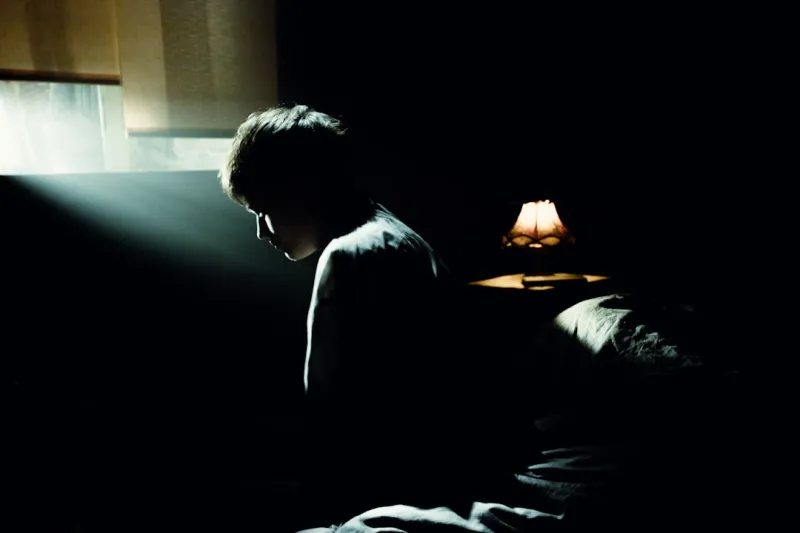
Inside the Dark: Confronting Sleep Terrors
A personal journey through night terrors reveals how gut health, sleep hygiene, and holistic practic... Read More

Night Terrors Unlocked: A Data‑Driven Playbook for Restoring Calm
Night terrors can cripple productivity, but a data‑driven, holistic playbook—covering metabolism... Read More
Calming the Midnight Alarm: A Practical Blueprint for Taming Sleep Terrors
A hands‑on guide to quieting the brain’s alarm system at night, using breath, grounding, and sen... Read More
Top Posts

Designing Your Birth Space: A Creative Partnership Journey
Learn how to turn pregnancy into a creative partnership by co‑designing your birth space, leveraging strengths, sensory cues, and storytelling for a supportiv...Read More
Beyond the Mask: Rethinking Sleep Apnea in the Remote Work Era
Sleep apnea is a silent threat for remote workers, but modern wearables, AI insights, and simple breathing techniques can turn the tide. This guide offers a dat...Read More
Decoding the Quiet Cancer Crisis: Data, Community, and Personal Power
A data‑rich, community‑focused approach can transform cancer from a hidden risk into a manageable challenge, empowering both employees and organizations to ...Read More
Listening to the Gut-Liver Conversation: A Fresh Blueprint for Optimized Liver Health
Explore a practical, 7‑day plan that aligns diet, movement, and stress management to strengthen the gut‑liver axis, delivering clearer focus, steady energy,...Read More
0 Comments
Post Comment
You will need to Login or Register to comment on this post!