

Why the Office Environment Often Becomes an Unseen Battleground for Eating Disorders
When most people think about eating disorders, they picture personal struggles that happen behind closed doors, away from the glare of fluorescent lights and conference calls. Yet, the modern workplace—especially the open‑plan, always‑on office—can act as a silent catalyst, amplifying anxiety around food, body image, and performance. In this piece, I’ll unpack how corporate culture, scheduling pressures, and digital distractions intersect to create a perfect storm for disordered eating, and I’ll share actionable strategies that leaders and teammates can adopt to turn the office into a sanctuary of support instead of a trigger zone.
The Hidden Mechanics: How Work Structures Shape Food‑Related Behaviors
At first glance, a meeting agenda seems unrelated to an employee’s relationship with food. Dig a little deeper, however, and you’ll see a chain reaction:
- Time‑boxed schedules. Rigid start‑times and lunch windows force people to eat on the clock, often prioritizing speed over nourishment.
- Performance metrics. When success is measured by output, not well‑being, employees may resort to restrictive eating or binge cycles to maintain “energy” levels.
- Digital immersion. Constant notifications keep screens lit late into the night, disrupting sleep and, by extension, appetite regulation. The link between screen fatigue and hormonal imbalances that drive cravings is becoming harder to ignore.
- Social eating. Team lunches, celebratory cupcakes, and “quick snacks” in the break room embed food into the fabric of collaboration, making it difficult for someone with an eating disorder to navigate without feeling judged or isolated.
These elements don’t act in isolation. Together, they can destabilize the body’s natural hunger cues, making it easier for an existing vulnerability to morph into a full‑blown disorder.
Chronobiology Meets Corporate Life: The Role of Circadian Rhythms
Our internal clocks—circadian rhythms—govern everything from hormone release to digestion. When work demands push us into late‑night emails or early‑morning meetings across time zones, we’re essentially telling our bodies to ignore the signals that keep appetite and metabolism in balance. Research shows that misaligned circadian rhythms can heighten cortisol, a stress hormone that both suppresses appetite and triggers binge urges later in the day.
Understanding this, we can see why a simple shift in scheduling can make a difference. For instance, allowing a flexible start time that aligns with an employee’s natural sleep–wake cycle can reduce the physiological stress that fuels disordered eating patterns. The concept is explored in depth in why your body clock holds the key to a longer life, and the same principles apply to mental health at work.
Case Study: The “Healthy Snacks” Paradox
Imagine a tech startup that proudly markets “healthy snacks”—almond butter packets, kale chips, and protein bars—on a sleek countertop. The intention is noble: promote wellness. Yet, the very presence of these items can become a covert pressure point. Employees may feel compelled to constantly graze, fearing they’ll be judged for skipping the snack bar. Over time, this can turn into compulsive nibbling, a hallmark of emotional eating.
In a recent internal survey, 38% of respondents admitted they felt anxious when the snack drawer was empty, interpreting the silence as a personal failure to “stay on track.” This anecdote illustrates how well‑meaning initiatives can inadvertently reinforce an unhealthy relationship with food.
From Policy to Practice: Building an Eating‑Disorder‑Sensitive Workplace
Addressing these systemic issues requires more than a one‑off wellness workshop. Below are five concrete steps companies can integrate into their culture, each grounded in evidence‑based practice.
1. Normalize Flexible Meal Timing
Instead of a rigid “lunch at noon” rule, offer a broad eating window (e.g., 11 a.m. – 2 p.m.) and let staff choose when they feel most nourished. Pair this with education on the benefits of listening to internal hunger cues.
2. Create “Food‑Free” Zones for Concentrated Work
Designate quiet zones where no food is permitted—not as a punitive measure, but to give employees the option to focus without the social pressure of snacking. Conversely, keep communal areas snack‑friendly but optional, so the choice remains truly voluntary.
3. Train Managers on Early Warning Signs
Managers are often the first line of observation. A brief training module can teach them to recognize patterns such as sudden weight fluctuations, frequent bathroom breaks after meals, or overt comments about dieting. Early identification can open the door to supportive conversations.
4. Integrate Mental‑Health Resources Seamlessly
Partner with providers who specialize in eating disorder treatment and ensure that referral pathways are confidential, swift, and covered by health benefits. Highlight these resources in onboarding packets and internal newsletters.
5. Leverage Technology Wisely
While digital tools can be a double‑edged sword, they also offer opportunities for discreet support. Mobile apps that track mood, stress, and hunger signals—without sharing data publicly—can empower employees to self‑monitor. However, it’s crucial to avoid “data‑driven” food tracking that becomes obsessive. Striking the right balance is key.
Designing Physical Spaces That Encourage Mindful Eating
Beyond policies, the built environment can subtly nudge healthier behavior. Studies in environmental psychology suggest that natural light, comfortable seating, and a sense of privacy can reduce stress‑induced eating. A modest redesign—such as adding plants, soft lighting, and ergonomic furniture to break rooms—can transform a frantic snack station into a calm, intentional space.
If you’re interested in how spatial design influences mental calm, check out the article on redesigning your space. The same principles apply when you want to make eating a restorative act rather than a performance metric.
When Remote Work Enters the Equation
Remote and hybrid arrangements add another layer of complexity. On one hand, they grant autonomy over meals; on the other, they blur boundaries between work and home, making it easier for stress to spill over into the kitchen. To mitigate this, leaders should encourage “virtual lunch breaks” where teams meet without screens, share what they’re eating (if comfortable), and discuss non‑work topics. The goal is to recreate the social support of a physical break room while respecting personal privacy.
Stories of Resilience: Employees Who Turned the Tide
Consider Maya, a senior analyst who struggled with binge‑eating triggered by deadline pressure. Her company introduced a “focus‑first” policy, allowing her to shift her most demanding tasks to her peak productivity window (late morning). Coupled with access to a therapist specializing in eating disorders, Maya learned to recognize her body’s signals and replace the binge cycle with short, mindful walks. Within six months, she reported a 30% reduction in binge episodes and a noticeable boost in work satisfaction.
Another example is Raj, a product manager who found the constant “snack culture” at his office destabilizing. By collaborating with facilities to create a snack‑free “deep‑work” zone, he reclaimed control over his eating schedule. Over time, Raj shifted from mindless grazing to deliberate, balanced meals, which helped stabilize his blood sugar and improve concentration.
Future Directions: A Call to Action for Leaders
Addressing eating disorders in the workplace isn’t a one‑off project; it’s an evolving commitment to human‑centered design. As we continue to learn about the intricate dance between neurobiology, circadian health, and corporate expectations, leaders have an opportunity to set new standards:
- Embed wellness metrics into performance reviews. Not as a scorecard, but as a dialogue about sustainable productivity.
- Invest in cross‑functional “well‑being councils.” These groups can regularly audit policies, gather employee feedback, and iterate on solutions.
- Champion transparency. Share success stories (with consent) to destigmatize discussions around eating health.
When companies move from reactive to proactive stances, they not only reduce the incidence of eating disorders but also cultivate a culture where employees feel seen, heard, and truly supported.
Wrapping Up: Food as Connection, Not Competition
Food has always been a conduit for community, celebration, and comfort. In the corporate arena, it can also become a metric of performance, a source of anxiety, or a silent battleground for self‑worth. By re‑examining schedules, spaces, and cultural expectations, we can shift the narrative from competition to connection. The goal isn’t to eliminate food from the workplace—far from it. The aim is to ensure that every bite taken at the office is a choice made from nourishment, not fear.
Remember, the most sustainable change starts with a single conversation. Whether you’re a manager, a teammate, or an HR professional, your voice can reshape the environment for those silently struggling. Let’s use that voice to build workplaces where the only thing people count is their contribution, not their calories.

Deb Roberts is a freelancer who writes on various subjects, bringing versatility and depth to her work. Alongside her broad writing expertise, she has a special passion for horses.
Related Posts
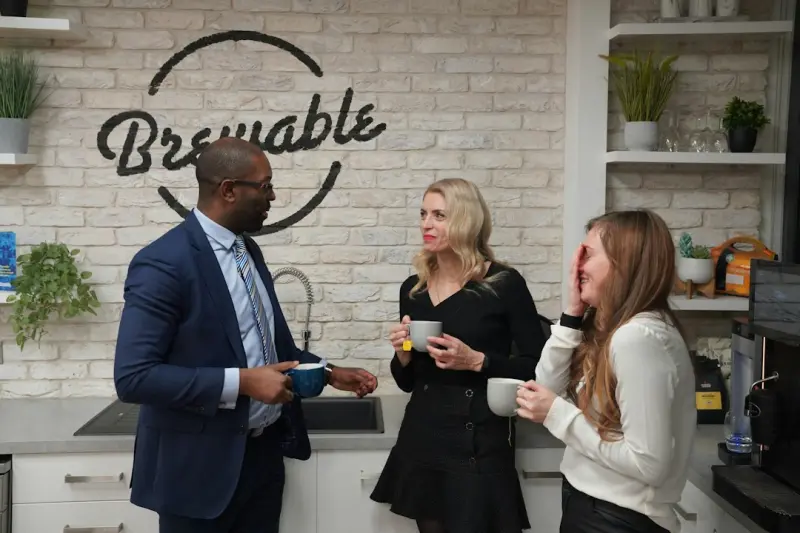
When the Office Kitchen Becomes a Trigger: Rethinking Corporate Food Culture
The office kitchen can unintentionally trigger disordered eating. This article examines how corporat... Read More

Rewriting the Eating Disorder Narrative: How Storytelling, Sensory Play, and Community Healing Transform Recovery
A fresh take on eating disorder recovery: use narrative, sensory experiences, and community creativi... Read More

Beyond the Mirror: Harnessing Digital Peer Networks for Eating Disorder Recovery
Digital peer networks are transforming eating disorder recovery by providing real‑time support, da... Read More
Top Posts

A Tactical Playbook for Mastering Blood Pressure with Data and Micro‑Habits
Discover a step‑by‑step system that uses continuous data, tiny habits, and contextual adjustments to lower and stabilize blood pressure, turning health mana...Read More

When Nightmares Take the Stage: Navigating Sleep Terrors in Modern Life
Sleep terrors can hijack restful nights, but with a blend of science, cultural insight, and actionable habits, you can transform these episodes from frightening...Read More

Finding Freedom: A Holistic Journey Through Eating Disorders
A personal, holistic guide to breaking free from eating disorders—blending therapy, mindful nutrition, and community for sustainable healing....Read More

Muscle Gain Made Simple: Micro‑Training for Busy Lives
Learn to turn spare minutes into powerful muscle‑building sessions using micro‑training, visualisation, and simple household resistance—no gym required....Read More
0 Comments
Post Comment
You will need to Login or Register to comment on this post!