

When most people hear “manage blood sugar,” the mental image is often a spreadsheet of carbs and a rigid schedule of insulin shots. I’ve spent the last decade watching data dashboards, running experiments in my own kitchen, and translating the science into habits that feel less like a chore and more like an art form. In this piece, I’m pulling back the curtain on a lifestyle blueprint that blends precision with pleasure, allowing you to keep glucose on a gentle plateau while still enjoying the spontaneity that fuels creativity.
Redefining the Food Landscape: From Counting to Curating
Traditional advice tells you to count grams of carbohydrate, aim for a glycemic index below a certain threshold, and pray that you don’t overshoot your insulin-to-carb ratio. While that methodology works for a subset of people, it often ignores the rich tapestry of flavors, textures, and cultural contexts that make eating enjoyable. My pivot was to treat each meal as a curated experience rather than a numeric exercise.
- Color as a proxy for fiber. A plate dominated by deep greens, vibrant reds, and earthy purples usually signals a high fiber load, which naturally slows glucose absorption.
- Protein diversity. Mixing plant‑based proteins (like lentils or tempeh) with animal sources (such as fish or poultry) creates a more balanced amino acid profile, supporting satiety and reducing post‑meal spikes.
- Healthy fat pairing. A drizzle of extra‑virgin olive oil, a handful of nuts, or a slice of avocado can blunt the glycemic impact of otherwise high‑carb foods.
By focusing on these qualitative markers, you develop an intuitive sense of how foods will behave in your system, reducing the need for constant glucose monitoring.
Chrononutrition: Aligning Meals with Your Internal Clock
Our bodies are not static reactors; they are rhythmic engines. Recent research shows that insulin sensitivity follows a diurnal pattern—peaking in the morning and tapering off by evening. Leveraging this, I structure my day into three distinct windows:
- Morning Power‑Fuel (7 am – 11 am): A protein‑rich breakfast paired with low‑glycemic carbs (e.g., steel‑cut oats, berries). This capitalizes on peak insulin sensitivity.
- Midday Stabilizer (12 pm – 3 pm): A balanced lunch with moderate carbs and generous vegetables, keeping energy levels steady for the post‑lunch slump.
- Evening Wind‑Down (4 pm – 7 pm): Light proteins, healthy fats, and a focus on non‑starchy vegetables to avoid late‑night glucose spikes.
This temporal approach doesn’t demand strict fasting; it simply respects the natural ebb and flow of metabolic hormones. If you’re curious about a more data‑driven framework, the systems‑design approach to metabolic health dives deeper into how to map these rhythms onto daily life.
Movement as a Metabolic Lever
Exercise is often framed as a “burn calories” activity, but for blood sugar management, its primary role is to enhance cellular glucose uptake. The nuance lies in the type, timing, and intensity of movement.
Micro‑bursts vs. Macro‑sessions: Short, frequent bouts of activity—like a 5‑minute brisk walk after each meal—can be more effective than a single hour‑long workout in blunting post‑prandial spikes. This is because muscle contractions stimulate GLUT‑4 transporters independent of insulin.
Resistance training as a baseline. Building lean muscle mass expands the “sink” for glucose, lowering average blood sugar over time. Even a 20‑minute bodyweight circuit (squats, push‑ups, planks) three times a week yields measurable benefits.
Timing matters. If you schedule a moderate‑intensity cardio session (e.g., cycling or rowing) within two hours after a carb‑heavy meal, you’ll see a sharper decline in glucose levels compared to exercising at a random time.
Stress, Sleep, and the Hidden Glucose Saboteurs
It’s tempting to think that diet and exercise are the whole story, but cortisol and sleep deprivation are silent disruptors. Elevated cortisol spikes hepatic glucose output, while poor sleep impairs insulin signaling.
- Breathwork integration. Five minutes of diaphragmatic breathing before meals can activate the parasympathetic nervous system, reducing cortisol surges.
- Screen curfew. Turning off blue‑light devices at least 30 minutes before bedtime helps preserve melatonin production, which is linked to better insulin sensitivity.
- Strategic napping. A 20‑minute power nap in the early afternoon can reset the HPA axis, curbing the afternoon glucose rise.
Data‑Guided Personalization Without Obsession
Technology offers a wealth of metrics—from continuous glucose monitors (CGMs) to AI‑driven food trackers. The key is to use data as a compass, not a tyrant. Here’s how I keep the balance:
- Set a baseline. Wear a CGM for a week without intentional changes to capture your natural glucose variability.
- Identify patterns. Look for recurring spikes tied to specific foods, stressors, or times of day.
- Test one variable at a time. Adjust a single factor—like moving dinner 30 minutes earlier—then monitor the impact for three days.
- Iterate. Celebrate small wins and recalibrate when needed.
If you’re new to the concept of using data to fine‑tune health, the steady blood sugar while managing a busy schedule guide offers a pragmatic entry point that avoids overwhelm.
Tech‑Enhanced Longevity Insights for Glucose Mastery
Beyond immediate glucose control, stable blood sugar is a cornerstone of long‑term health. Emerging research links chronic hyperglycemia with accelerated cellular aging, oxidative stress, and inflammation. By integrating the principles outlined above, you’re not just flattening daily curves—you’re laying the groundwork for a healthier epigenome.
For those fascinated by the intersection of longevity science and everyday habits, the tech‑enhanced longevity insights article explores how subtle metabolic tweaks translate into measurable lifespan benefits.
Building a Sustainable Loop: From Insight to Habit
The ultimate goal is a self‑reinforcing loop where each component—nutrition, movement, stress management, and data—feeds the next. Here’s a quick checklist to embed this loop into daily life:
- Morning check‑in. Review your sleep score and set an intention for balanced macronutrient intake.
- Meal prep with color. Assemble plates that visually signal fiber, protein, and healthy fats.
- Post‑meal micro‑move. Stand, stretch, or take a brief walk within 30 minutes of eating.
- Mid‑day stress reset. Schedule a 5‑minute breathwork session before tackling afternoon tasks.
- Evening data review. Glance at your CGM trends, note any anomalies, and plan a single adjustment for tomorrow.
When each piece feels natural, the system becomes resilient, and you’ll notice glucose stability without the constant mental overhead.
Conclusion: Embrace the Experiment
Managing blood sugar isn’t about rigid control; it’s about cultivating curiosity and respect for how your body processes fuel. By treating meals as curated experiences, aligning eating windows with circadian rhythms, leveraging movement as a metabolic lever, and using data as a supportive guide, you can achieve a harmonious glucose profile that fuels both performance and well‑being. Remember, the journey is personal—what works for a colleague may not suit your unique rhythm. Keep experimenting, stay attentive, and let the numbers tell a story of progress rather than punishment.

Lifan Chen is a freelancer based in Toronto specializing in marketing. With expertise in crafting effective marketing strategies and campaigns, Lifan helps businesses grow their brand presence and reach target audiences. As a Toronto-based freelancer, Lifan combines local market insights with creative marketing skills to deliver tailored solutions for clients.
Related Posts
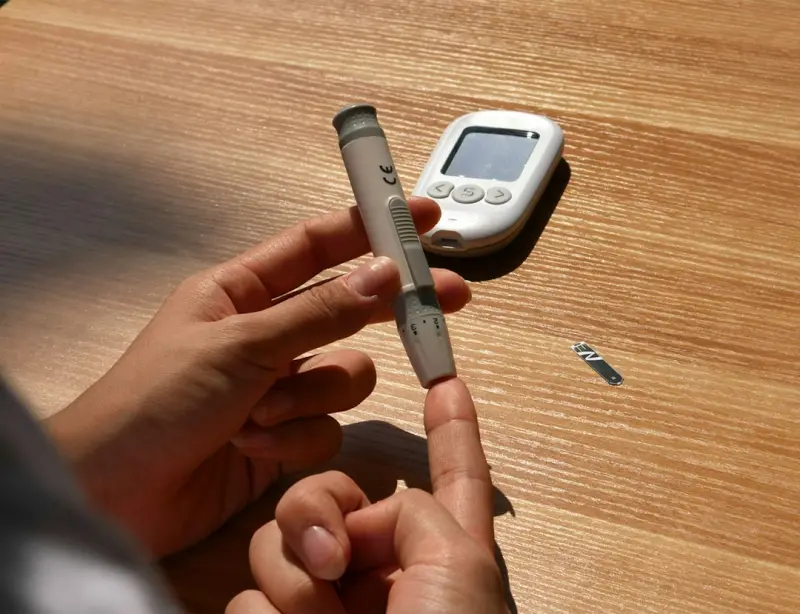
Turning Your Daily Rhythm into a Glucose Guardian: Unconventional Strategies for Steady Blood Sugar
Kelly Reynolds shares a blend of kitchen experiments, body‑clock syncing, sensory cues, and commun... Read More

Neural Timing Hacks for Stable Blood Sugar
Learn how aligning meal timing, micro‑stress management, and simple neural cues can stabilize gluc... Read More
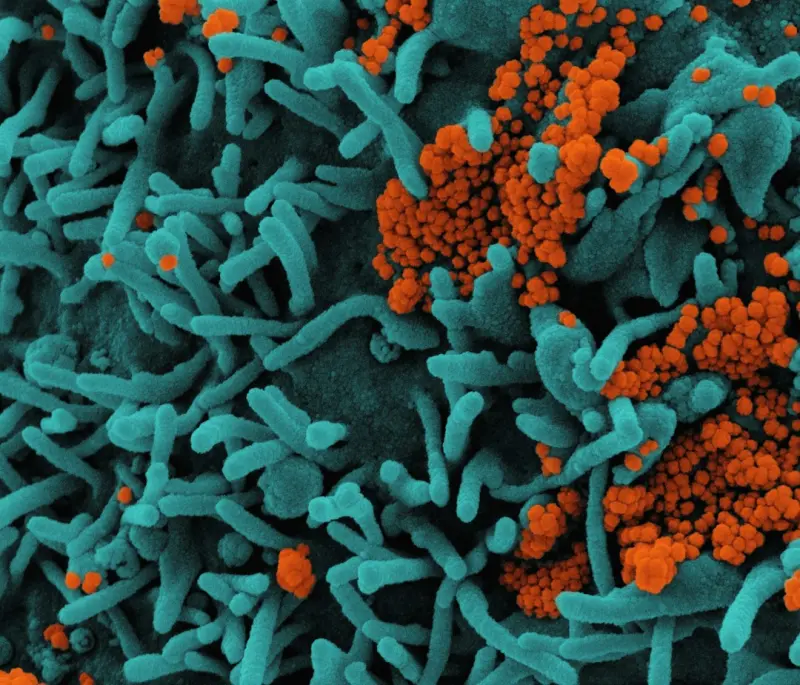
Gut‑Driven Glucose: Harnessing Your Microbiome to Stabilize Blood Sugar
A deep dive into how the gut microbiome shapes glucose metabolism, with actionable diet, timing, and... Read More
Top Posts

Unlocking Everyday Energy: A Holistic Blueprint for Vibrant Health
A personal guide to harnessing natural energy through holistic habits, from gut balance to mindful movement, offering practical steps to feel vibrant every day....Read More

The Importance of Mental Health in Preventive Care
Mental health and preventive care are intricately linked. Prioritizing both aspects of health can improve health outcomes, reduce healthcare costs, and enhance ...Read More

The Hidden Environmental Toll of Disposable Vapes—and How Companies Can Turn a Crisis Into a Sustainability Win
Disposable vapes generate a surge of plastic and e‑waste that many workplaces overlook. This article reveals the hidden environmental costs and offers a clear...Read More

Beyond the Clock: How Purposeful Connections Extend Your Healthspan
Strong relationships are a hidden lever for longevity. This article explores the science behind social bonds, offers actionable daily practices, and shows how p...Read More
0 Comments
Post Comment
You will need to Login or Register to comment on this post!