

Why Blood Pressure Deserves a Whole‑Body Reset, Not Just a Pill
When I first stepped onto the clinic floor as a cardiovascular nurse, the first thing I heard from patients was the dreaded phrase, “My doctor put me on medication, but I still feel… off.” The truth is, blood pressure is a living, breathing signal that reflects everything from the food on your plate to the stories you tell yourself at night. It isn’t merely a number on a cuff; it’s a dialogue between your nervous system, your kidneys, your endothelial lining, and the environment you inhabit. If we keep treating it like a static statistic, we’ll never unlock the deeper levers that keep it in a healthy rhythm.
The Hidden Conversation Between Stress and Systolic Spikes
Stress is often painted as the villain in hypertension narratives, but the reality is more nuanced. Acute stress triggers a surge of adrenaline and cortisol, which temporarily constricts blood vessels and raises heart rate. Chronic stress, however, rewires the hypothalamic‑pituitary‑adrenal (HPA) axis, making those spikes a default setting. What most people overlook is the concept of stress resilience—the capacity to bounce back without the physiological fallout.
Building resilience isn’t about eliminating stress; it’s about changing the script. Practices like deliberate breathing, progressive muscle relaxation, and even short bouts of playful movement can train the vagus nerve to dominate over the sympathetic surge. When the vagus nerve is engaged, heart rate variability (HRV) improves, and the blood vessels relax, lowering both systolic and diastolic pressures.
Micro‑Habits: Tiny Tweaks, Massive Impact
Large lifestyle overhauls are intimidating, and most people abandon them before they become habit. This is where everyday micro‑habits step in as a game‑changer. Think of them as the “atomic units” of health—actions so small they seem inconsequential, yet when stacked they create a powerful force field against hypertension.
- Two‑minute standing desk breaks every hour keep blood pooling in the legs at bay and improve venous return.
- Five deep diaphragmatic breaths before each meal trigger a parasympathetic response that smooths out post‑prandial pressure spikes.
- One glass of water with a pinch of sea salt after waking supports electrolyte balance, which is crucial for vascular tone.
The magic lies in consistency. By linking each micro‑habit to a trigger (e.g., a phone notification or a bathroom break), you create a cue‑routine‑reward loop that rewires the brain’s habit circuitry, making blood‑pressure‑friendly choices automatic.
Screen‑Induced Hormone Spikes and Their Vascular Fallout
We live in a glow‑lit world. The blue light from our devices not only disrupts melatonin production but also nudges the endocrine system toward a “fight‑or‑flight” mode. The resulting surge of cortisol can keep blood vessels in a semi‑constricted state, especially when screen time spills into the evening.
Research shows that even 30 minutes of scrolling before bed can elevate nighttime systolic pressure by 5–10 mmHg. The solution isn’t to abandon technology—it’s to screen‑induced hormone spikes by establishing digital boundaries that respect your body’s circadian rhythm. Try a “tech sunset” an hour before sleep: dim the lights, switch to amber filters, and replace scrolling with a tactile activity like journaling or a brief stretch sequence.
Temperature Therapy: A Warm Embrace for Your Vessels
Heat isn’t just for relaxation; it’s a physiological tool that can coax the endothelium—the inner lining of blood vessels—into releasing nitric oxide, a potent vasodilator. Warm baths, sauna sessions, and even a simple hot‑water foot soak can temporarily lower peripheral resistance, giving your heart a brief reprieve.
Pair this with a short burst of cold exposure (think 30 seconds under a cool shower) and you introduce a vascular “pump‑up” effect. The alternating temperatures train the vessels to become more elastic, which translates into lower resting pressure over time. The key is moderation: three to four warm sessions per week, each lasting 15–20 minutes, are sufficient for most people.
Nutrition Beyond Sodium: The Power of Potassium‑Rich Pairings
When the conversation turns to diet, sodium steals the spotlight. While it’s true that excess sodium raises blood pressure, the narrative often neglects potassium’s counterbalancing role. Potassium helps kidneys excrete sodium and relaxes arterial walls.
Integrate potassium‑rich foods into each meal: leafy greens, bananas, avocados, and beans. Pair them with magnesium‑dense nuts or seeds to enhance vascular smooth muscle relaxation. A practical tip—sprinkle a tablespoon of pumpkin seeds over a mixed‑green salad and drizzle with olive oil. This simple combo delivers a synergy of minerals that support endothelial health without the need for a strict “low‑sodium” label.
Mindful Posture: The Unseen Influence of Alignment on Blood Flow
Ever notice how you feel a “tightness” in your chest after slouching at a desk all day? Poor posture compresses the thoracic cavity, impeding venous return and forcing the heart to work harder. Over weeks, this can contribute to sustained pressure elevations.
Incorporate a micro‑posture reset every 45 minutes: roll your shoulders back, lengthen your spine, and take a few deep breaths. Investing in an ergonomic chair or a standing desk can also maintain an open thoracic space, allowing blood to flow freely and reducing the heart’s workload.
The Community Factor: Shared Goals Reduce Isolation‑Driven Hypertension
Social isolation is a silent driver of hypertension. Humans are wired for connection; when that need isn’t met, the body releases stress hormones that tighten vessels. Joining a community—whether a walking group, a cooking club focused on heart‑healthy meals, or an online forum for blood‑pressure tracking—creates accountability and emotional support.
When you share your progress, you’re more likely to stick to your micro‑habits, celebrate wins, and troubleshoot setbacks together. The collective energy acts as a buffer against the stressors that would otherwise spike your numbers.
Tracking Progress Without Obsession
Monitoring blood pressure should empower, not imprison. Instead of checking multiple times a day, adopt a weekly “pulse check” routine: measure at the same time each morning, log the reading, and pair it with a note about how you felt (stress level, sleep quality, diet). Look for patterns rather than isolated spikes. Over months, you’ll spot trends that reveal which micro‑habits or environmental tweaks are truly moving the needle.
Putting It All Together: A 30‑Day Blood Pressure Reset Blueprint
Here’s a concise roadmap that blends the concepts above into a sustainable plan. Feel free to adjust the timing to suit your lifestyle.
- Day 1‑7: Digital Sunset – Implement a one‑hour screen‑free window before bedtime. Add a warm foot soak after dinner.
- Day 8‑14: Micro‑Movement – Introduce a two‑minute standing break each hour and a 5‑minute brisk walk after lunch.
- Day 15‑21: Nutrient Pairing – Add a potassium‑rich side (e.g., roasted sweet potatoes) to every dinner, topped with pumpkin seeds.
- Day 22‑30: Community Check‑In – Join a local or virtual group focused on heart health; share a weekly progress note.
By the end of the month, you should notice a modest but meaningful dip in your average systolic and diastolic numbers, along with improved energy and mood. Remember, the goal isn’t a quick fix; it’s a shift in the way you interact with your body’s signals.
Final Thought: Embrace the Fluidity of Health
Blood pressure isn’t a static target; it’s a fluid conversation that evolves with every breath, bite, and connection you make. By integrating stress‑resilience practices, micro‑habits, mindful technology use, temperature therapy, nutrient pairings, posture awareness, and community support, you create a holistic ecosystem that naturally guides your pressure toward balance. The cuff may still be there to check numbers, but the real victory lies in feeling steadier, more vibrant, and in control of the subtle forces that shape your health.

Related Posts

Beyond the Cuff: Real‑Time Strategies for Mastering Blood Pressure
A practical guide that turns continuous blood pressure monitoring into a daily habit, blending weara... Read More

Dynamic Flow: A Moving Blueprint for Natural Blood Pressure Balance
Learn how rhythmic movement, breath‑synchronized exercises, and strategic nutrition can turn every... Read More
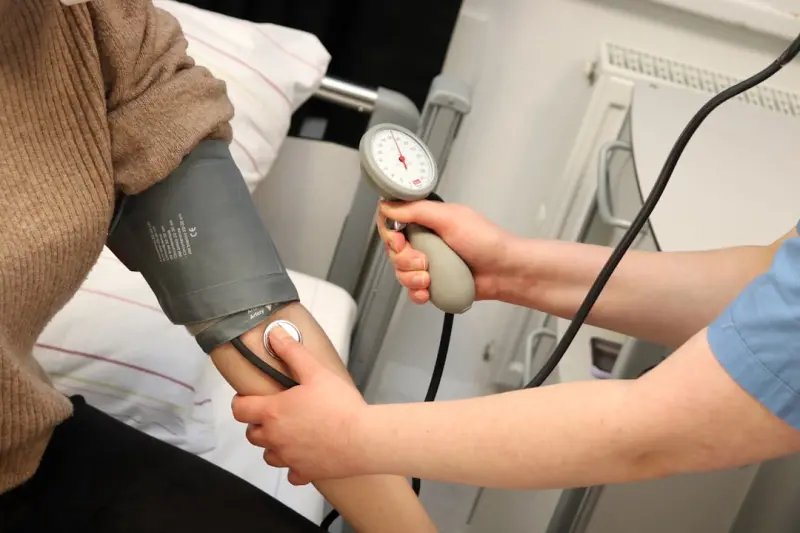
Micro‑Narratives for Managing Blood Pressure: Turning Tiny Actions into a Calm Story
Learn how to use micro‑narratives, rhythmic alignment, and immune‑supportive habits to keep bloo... Read More
Top Posts

Unlocking Everyday Body Detox: A Holistic, Habit‑Based Approach
Detox isn’t a quick fix; it’s a lifestyle. Learn how gentle movement, smart nutrition, clean air, and stress‑reduction work together to empower your bodyâ...Read More
When Decision Fatigue Meets Blood Sugar: A Metabolic Blueprint for High‑Performance Professionals
A fresh look at blood sugar management that ties decision fatigue to glucose spikes, offering actionable strategies—from environment design to breathwork and ...Read More
Designing Spaces That Embrace Narcolepsy: A Guide to Comfortable Living
Learn how smart lighting, acoustic tweaks, ergonomic furniture, and modular nap pods can turn any space into a supportive environment for those living with narc...Read More

Curiosity as the Fountain of Youth: Learning New Skills for Healthy Aging
A personal guide to using curiosity and new skills as a powerful anti‑aging strategy, blending brain health, community, and playful learning for lasting vital...Read More
0 Comments
Post Comment
You will need to Login or Register to comment on this post!