
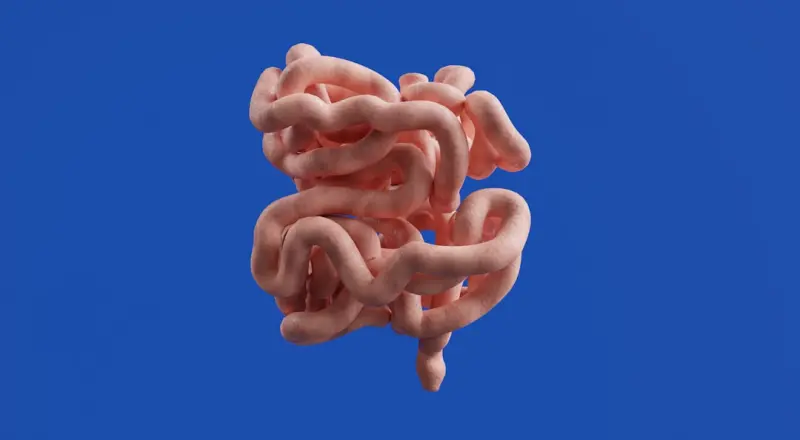
Pregnancy is often described as a “miracle” or a “once‑in‑a‑lifetime journey,” but the science that powers that journey is far more intricate than most of us realize. While hormones, hormones, hormones get a lot of airtime, there’s a quieter partnership humming beneath the surface: the maternal gut microbiome. Think of it as a bustling city of bacteria, fungi, and viruses that not only helps digest your meals but also speaks directly to your immune system, hormones, and even the developing brain of your baby. When we start treating this microscopic community as a partner rather than an afterthought, the entire pregnancy experience can shift from a series of uncomfortable checkpoints to a more energetic, balanced, and joyful ride.
Why the Gut Deserves a Front‑Row Seat in Your Pregnancy Plan
The gut microbiome is the body’s most diverse ecosystem, housing up to a trillion microbes—many more than the number of cells that make up a human being. These microbes produce short‑chain fatty acids, synthesize vitamins, and help modulate inflammation. During pregnancy, research shows that a woman’s microbial composition undergoes a purposeful reshaping, favoring strains that support increased nutrient absorption and a more tolerogenic (peace‑keeping) immune environment. This shift is not random; it prepares the mother’s body to nourish a rapidly growing fetus while keeping the mother’s health metrics in a stable range.
When the microbiome is balanced, mothers report fewer cravings, smoother digestion, and a more even‑keeled mood. On the other hand, dysbiosis—an imbalance in the gut’s microbial community—has been linked to gestational diabetes, pre‑eclampsia, and even premature birth. The stakes are high, which is why paying attention to gut health should be a cornerstone of any pregnancy wellness plan, not a “nice‑to‑have” extra.
Mapping the Microbial Landscape: What Changes, When?
In the first trimester, your gut microbes tend to favor Firmicutes that are excellent at extracting calories from food. This makes sense: the body is preparing extra fuel stores for the coming growth spurt. By the second trimester, you’ll see a rise in Bifidobacteria and Lactobacilli—microbes that are adept at producing short‑chain fatty acids that calm inflammation and support a healthy immune response. The third trimester introduces a surge of Proteobacteria, which, despite its reputation for being “bad” in other contexts, actually plays a role in the metabolic changes that facilitate the final stages of fetal development and prepare the mother for labor.
These changes are not merely biochemical curiosities; they translate into real‑world feelings. The energy dips you notice after a heavy brunch might be a reflection of microbial shifts that prioritize storage over immediate use. The sudden aversion to a previously beloved food could signal that certain bacterial families are encouraging the intake of alternative nutrients that better support the baby’s needs at that moment.
Food as a Micro‑Architect: Building a Pregnancy‑Friendly Microbiome
Just as a city needs good infrastructure, your gut needs the right building blocks to support its residents. Below are some evidence‑backed food strategies that act as micro‑architects for a thriving pregnancy microbiome:
- Fiber‑Rich Vegetables and Legumes: Soluble fibers act as food for beneficial bacteria, especially Bifidobacteria. Think roasted carrots, steamed broccoli, lentils, and chickpeas.
- Fermented Foods: Yogurt, kefir, sauerkraut, kimchi, and kombucha introduce live cultures directly into your gut. Aim for a serving a day, but watch the sugar content in flavored yogurts.
- Prebiotic‑Heavy Fruits: Bananas, apples, and berries contain inulin and pectin, which feed good microbes.
- Omega‑3 Rich Fish and Flaxseeds: These help lower inflammation, fostering an environment where beneficial microbes can flourish.
- Polyphenol‑Packed Beverages: Green tea (in moderation) and freshly brewed coffee offer antioxidants that support microbial diversity.
When you combine these foods in a varied, colorful plate, you’re essentially creating a buffet for your microbiome. The result is a more resilient gut that can better handle the hormonal swings and nutrient demands of pregnancy.
Beyond the Plate: Lifestyle Choices that Support Microbial Harmony
Nutrition is the cornerstone, but other habits can amplify—or sabotage—your gut’s performance.
- Sleep Hygiene: Poor sleep alters cortisol levels, which in turn can disrupt gut permeability. Prioritize 7‑9 hours of uninterrupted rest.
- Stress Management: Chronic stress releases adrenaline and cortisol, which can increase gut inflammation. Practices such as prenatal yoga, meditation, or even a simple walking routine can keep the microbiome calm.
- Gentle Exercise: Light to moderate movement, like swimming or prenatal pilates, has been shown to increase microbial diversity. The key is consistency, not intensity.
- Avoiding Unnecessary Antibiotics: While sometimes essential, antibiotics can wipe out beneficial microbes along with the harmful ones. Discuss any prescriptions with your healthcare provider, especially in the first and third trimesters.
These strategies echo the advice found in When Work Becomes Play, where movement is positioned not just as a physical activity but as a catalyst for mental clarity and creative flow. Pregnancy is a time when that creative flow can be directed toward nurturing a new life.
Supplements: Choosing the Right Allies
Supplements can be a useful addition, especially if dietary restrictions or morning sickness limit your intake of certain foods. Here are a few evidence‑based picks that tend to support gut health during pregnancy:
- Probiotic Capsules: Look for multi‑strain formulas that include Lactobacillus rhamnosus GG and Bifidobacterium lactis. Studies indicate they can lower the risk of pre‑eclampsia and improve digestion.
- Prebiotic Fibers: Inulin or acacia fiber powders can be mixed into smoothies for an extra boost of fuel for good bacteria.
- Vitamin D: A healthy gut microbiome needs a well‑regulated immune system, and Vitamin D plays a crucial role in that regulation.
- Omega‑3 DHA Supplements: Not only do they support fetal brain development, but they also reduce inflammation that can disturb microbial balance.
Before starting any supplement, it’s essential to consult your obstetrician or a qualified nutritionist. The goal is to complement your diet, not replace it.
Connecting the Dots: The Liver, Gut, and Pregnancy
The gut does not work in isolation; its partnership with the liver is a critical axis for metabolic health. The liver processes nutrients absorbed from the intestine, detoxifies waste, and produces vital proteins. When the gut microbiome is balanced, it reduces the load of toxic metabolites that the liver has to filter, allowing the liver to function more efficiently—a relationship highlighted in Why Your Liver Is the Unsung Hero of Everyday Performance. This synergy is especially important during pregnancy when the liver is already working overtime to process additional hormones and support fetal growth.
If you notice persistent bloating, fatigue, or unusual skin changes, consider that both gut and liver health may be involved. Simple practices—like staying well‑hydrated, limiting processed sugars, and supporting gut health with the strategies above—can lighten the liver’s workload, which translates into smoother energy levels and a more comfortable pregnancy.
Crafting a Personalized Microbiome Action Plan
Every pregnancy is as unique as the individual experiencing it, and so should be the approach to gut health. Below is a step‑by‑step template you can adapt:
- Baseline Check: In your first prenatal visit, ask your provider about a stool test to get a snapshot of your microbial composition.
- Diet Audit: Keep a simple food journal for a week, noting any digestive symptoms or cravings. Identify gaps in fiber, fermented foods, or omega‑3 intake.
- Introduce One Change at a Time: Add a new fermented food each week, or increase vegetable servings gradually to avoid overwhelming your system.
- Track Mood and Energy: Use a bullet journal or a pregnancy app to record how changes affect your energy, sleep, and emotional state.
- Review and Refine: At each prenatal check‑in, discuss any observations with your care team and adjust your plan accordingly.
This iterative process mirrors the narrative structure described in The Art of Prenatal Storycraft. By treating your gut health as a storyline, you can weave together diet, lifestyle, and supplementation into a coherent plot that leads to a healthier outcome for both you and your baby.
The Payoff: What a Healthy Microbiome Can Look Like in the Third Trimester
When you’ve nurtured your gut throughout pregnancy, the third trimester can feel less like a marathon and more like a sprint you’re prepared for. Typical benefits include:
- More Predictable Digestion: Reduced heartburn and constipation, which are common complaints in later pregnancy stages.
- Steady Energy Levels: Fewer dramatic glucose spikes, decreasing the risk of gestational diabetes.
- Emotional Resilience: A balanced gut can help modulate serotonin production, which may lead to a calmer mood amid the hormonal chaos.
- Optimal Birth Outcomes: Research suggests a diverse microbiome is associated with a lower likelihood of preterm labor.
These advantages are not guaranteed miracles, but they represent a scientifically supported edge that you can claim by being intentional about the microscopic partners that share your body.
Looking Ahead: Postpartum Microbiome Maintenance
The work doesn’t end at delivery. The postpartum period introduces new hormonal shifts, sleep deprivation, and in many cases, breastfeeding. Maintaining a diverse gut microbiome can support lactation, speed up recovery, and even influence the newborn’s own microbiome, especially if you’re nursing. Continue the high‑fiber diet, keep probiotic‑rich foods on hand, and prioritize sleep whenever possible. As you transition into motherhood, think of your gut health as the foundation that will sustain you through the sleepless nights and joyful milestones ahead.
In sum, the gut microbiome is a silent yet potent driver of pregnancy health. By treating it as a strategic partner—feeding it, nurturing it, and respecting its signals—you set the stage for a pregnancy that feels less like a series of obstacles and more like a collaborative, thriving journey. Embrace the tiny architects in your gut, and let them help you build the healthiest version of yourself and your baby.

Brandy Miller is a dynamic freelance writer based in the vibrant city of Cambridge, Ontario. With a passion for storytelling that knows no bounds, she crafts compelling narratives that captivate and inspire. Brandy’s love for writing shines through in her versatile work, whether she’s penning thought-provoking articles or engaging content that resonates with readers. Her unique perspective and friendly tone make her a sought-after voice in the writing community. When she’s not weaving words together, you can find her exploring the beautiful landscapes of Ontario, always seeking new adventures and inspiration for her next piece. Brandy is not just a writer; she’s a creative force, making her mark one word at a time.
Related Posts

Eco‑Conscious Pregnancy: A Practical Guide to Raising a Green Baby
A comprehensive, eco‑focused pregnancy guide offers actionable tips on low‑waste prenatal care, ... Read More

Nurturing Your Inner Landscape: A Holistic Guide for Expectant Moms
This article offers a comprehensive, soul‑nourishing roadmap for pregnant women, covering environm... Read More

Navigating Pregnancy in 2026: A Holistic Journey of Body, Mind, and Community
A personal, holistic guide to pregnancy in 2026, covering nutrition, sleep, mental health, movement,... Read More
Top Posts

Unlocking Liver Longevity: A Holistic Blueprint for Everyday Resilience
A practical, holistic guide reveals how seasonal eating, adaptive fasting, micro‑movements, and tiny habit stacking can transform your liver health and overal...Read More
Unlocking Brain Health in 2026: Holistic Strategies for a Sharper Mind
Explore 2026’s top holistic strategies—from nutrition and movement to sleep and tech—to sharpen your mind, boost resilience, and thrive with vibrant brain...Read More

When Data Meets Empathy: Redefining the Cancer Journey Through Digital Companionship
A deep dive into the emerging blend of predictive analytics, AI companions, virtual reality, and community‑driven trials that are turning cancer care from rea...Read More

When the Night Won’t Let Go: Rethinking Insomnia for Modern Professionals
Insomnia isn’t just a nighttime problem—it reflects daytime choices, environment, and hidden physiological cues. This post reveals how to decode those signa...Read More
0 Comments
Post Comment
You will need to Login or Register to comment on this post!