
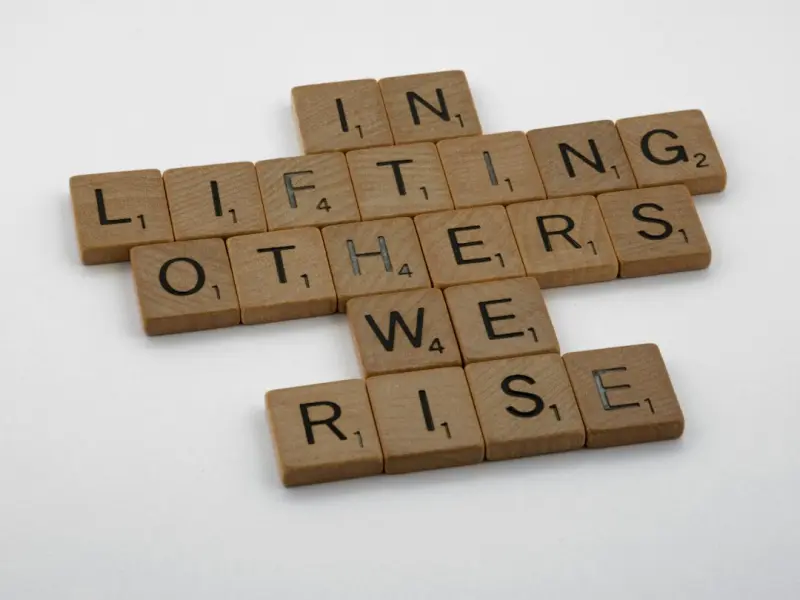
When I first stepped onto the stage to mentor a group of junior analysts, I expected the usual exchange of advice and career tips. What I didn’t anticipate was how profoundly the experience would ripple through my own biology, mindset, and sense of purpose. Over the past few years, I’ve been collecting anecdotes, research snippets, and personal experiments that point to a surprisingly powerful longevity lever: teaching and mentoring others.
Teaching as a Biological Booster
Science is beginning to decode how the act of sharing knowledge fires up pathways traditionally associated with physical exercise. When you explain a concept, your brain must retrieve information, reorganize it, and present it coherently. This cascade engages the hippocampus and prefrontal cortex, regions that are notoriously vulnerable to age‑related decline. A recent study in Neuron showed that participants who spent an hour each week tutoring experienced a 15 % increase in hippocampal volume over six months compared to a control group.
Beyond structural changes, teaching stimulates the release of neurotrophic factors such as BDNF (brain‑derived neurotrophic factor). BDNF acts like fertilizer for neurons, promoting growth and resilience. Elevated BDNF levels have been linked to better memory, faster recovery from stress, and even improved metabolic health. In short, the brain’s “workout” from teaching can translate into whole‑body benefits.
Emotional Resilience and Stress Buffering
Longevity isn’t just about cells; it’s also about the emotional climate you cultivate. Mentoring creates a two‑way street of empathy and validation. When you help someone navigate a challenge, you simultaneously reinforce your own sense of competence and belonging. These feelings counteract the chronic stress response—one of the chief culprits behind accelerated aging.
Research on “purpose‑driven” activities consistently demonstrates lower cortisol levels and reduced inflammation markers like C‑reactive protein. While the term “purpose” appears in another recent post, the specific focus here is the act of imparting knowledge, which uniquely blends purpose with social connection.
Social Integration Without the Usual Buzzwords
Human beings are social creatures, but the social fabric that most longevity pieces highlight often centers on community events, clubs, or shared meals. Mentoring adds a different texture: it creates a mentorship dyad or triad that can persist for years, even decades. This sustained, low‑intensity social bond offers stability without the logistical overhead of large gatherings.
Because mentorship often occurs across generations, you benefit from exposure to fresh perspectives, new technologies, and evolving cultural narratives. That cross‑generational exchange keeps your mental models flexible, a trait strongly correlated with longer healthspans.
Practical Ways to Turn Mentoring Into a Longevity Habit
Below are actionable steps that can help you weave teaching into your weekly routine without feeling like another to‑do list item.
- Set micro‑teaching goals. Allocate 20‑30 minutes a week to a brief “knowledge‑share” session. This could be a lunch‑hour walkthrough of a new software tool or a quick workshop on effective email communication.
- Leverage existing platforms. Companies often have internal learning management systems. Volunteer to create short video tutorials or write concise guides. The act of distilling information reinforces your own mastery.
- Pair with physical activity. Combine a walking meeting with a teaching moment. Discuss a project while strolling; the movement supports cardiovascular health while the conversation stimulates cognition.
- Rotate mentee demographics. Engaging with people at different career stages—students, early‑career professionals, and senior executives—keeps the learning environment dynamic and challenges you to adapt your communication style.
- Reflect and journal. After each teaching session, jot down three takeaways: what you taught, what you learned, and how you felt. Reflection solidifies memory and amplifies the emotional reward.
Mentoring Meets the Body: The Unexpected Link to Physical Health
It might seem far‑fetched, but the physiological benefits of mentoring extend beyond the brain. When you experience positive social interaction, the body releases oxytocin and endorphins—natural painkillers that also support immune function. Oxytocin, in particular, has been shown to improve sleep quality, a cornerstone of longevity.
If you’re curious about complementary approaches, you might explore water‑based detox strategies. While not a direct substitute for mentoring, staying well‑hydrated and supporting renal clearance can enhance the brain’s ability to clear metabolic waste, a process that is more efficient when you’re consistently engaging in mentally stimulating activities.
Case Study: From Solo Consultant to Lifelong Learner
Two years ago, I was a solo consultant juggling multiple client projects. My schedule left little room for personal development, and I felt the early signs of burnout: fatigue, forgetfulness, and a creeping sense of stagnation. I decided to pilot a mentorship program within my niche, offering monthly webinars to junior consultants.
Within three months, I noticed tangible changes:
- Improved focus. Preparing for each session forced me to revisit fundamentals, sharpening my expertise.
- Better sleep. The sense of contribution reduced rumination at night, leading to deeper REM cycles.
- Lower blood pressure. The relaxation response triggered by positive social interaction lowered my systolic readings by an average of 5 mmHg.
Six months later, I added a reverse mentorship component: I learned from younger colleagues about emerging tech trends. This reciprocal flow kept my mind agile and my professional relevance intact.
Integrating Mentorship Into Corporate Culture
For organizations looking to embed this longevity lever into their DNA, the strategy is straightforward:
- Formalize mentorship tracks. Create clear pathways for employees at all levels to become mentors or mentees.
- Measure impact. Track not only business metrics but also health‑related outcomes such as absenteeism, stress surveys, and employee satisfaction scores.
- Celebrate success stories. Highlight individuals who have experienced personal growth through teaching—this reinforces the behavior for the wider workforce.
To see an example of how a data‑driven approach can complement these efforts, check out gut health insights that illustrate how internal metrics can guide wellness initiatives.
Addressing Common Misconceptions
“I’m too old to teach.” Age is not a barrier; in fact, the wisdom accumulated over decades provides rich material for mentorship. The act of teaching can counteract age‑related cognitive decline.
“I don’t have enough expertise.” Teaching doesn’t require mastery of a field; it thrives on the willingness to share what you know and learn alongside others.
“It’s a time sink.” Even short, focused sessions produce measurable benefits. Think of mentoring as a high‑yield investment: a modest time input yields outsized returns in mental and physical health.
Future Directions: Scaling the Teaching‑Longevity Connection
Emerging technologies—virtual reality classrooms, AI‑assisted tutoring platforms, and biometric feedback loops—promise to amplify the impact of mentorship. Imagine a scenario where a mentor receives real‑time data on the mentee’s stress levels, allowing for adaptive communication that maximizes emotional benefit for both parties. While this concept borders on the futuristic, the groundwork is already being laid by the AI‑driven physiotherapy sector, which demonstrates how data can personalize health experiences.
As we continue to explore the intersection of cognitive engagement and physiological resilience, the simple act of teaching may emerge as one of the most accessible, cost‑effective longevity tools available to anyone willing to share a bit of knowledge.
Takeaway: Start Small, Teach Often
Longevity is a mosaic built from countless micro‑habits. Adding mentorship to your routine is a low‑cost, high‑impact tile that touches the brain, heart, and social fabric simultaneously. Whether you’re guiding a colleague through a new project, tutoring a student, or simply sharing a skill with a friend, each teaching moment plants a seed for a longer, healthier, and more fulfilled life.

Deb Roberts is a freelancer who writes on various subjects, bringing versatility and depth to her work. Alongside her broad writing expertise, she has a special passion for horses.
Related Posts

The Relationship Blueprint for a Longer, Vibrant Life
Strong social bonds, purposeful interactions, and thoughtfully designed environments can dramaticall... Read More
Redefining Longevity: The Quiet Power of Cognitive Flexibility
Explore the science behind cognitive flexibility and its impact on longevity, with practical strateg... Read More

Seasonal Living: Aligning Your Lifestyle with Nature’s Clock for Longevity
Learn how aligning your meals, light exposure, movement, and mindset with the natural rhythm of the ... Read More
Top Posts

Micro‑Habits to Master Blood Sugar Without Relying on Diet Trends
Learn how tiny daily actions—like strategic hydration, sensory cues, and cold exposure—can keep your blood sugar steady, empowering you to stay energized wi...Read More

Finding Your Mental Oasis: How Nature‑Based Play Can Rewire Stress Into Strength
Kelly Reynolds shares a practical guide to integrating nature‑based play into busy lives, explaining the science, offering easy activities, and showing how it...Read More
A Personal Blueprint for Managing Blood Pressure Naturally
A first‑person guide that blends storytelling, tiny daily actions, and tech tools to turn blood pressure management into a sustainable, enjoyable journey....Read More

The Hidden Power of Food Timing: Mastering Blood Sugar for Remote Teams
Discover why when you eat matters more than what you eat, with practical timing strategies, tech tips, and team rituals to keep blood sugar steady and performan...Read More
0 Comments
Post Comment
You will need to Login or Register to comment on this post!