
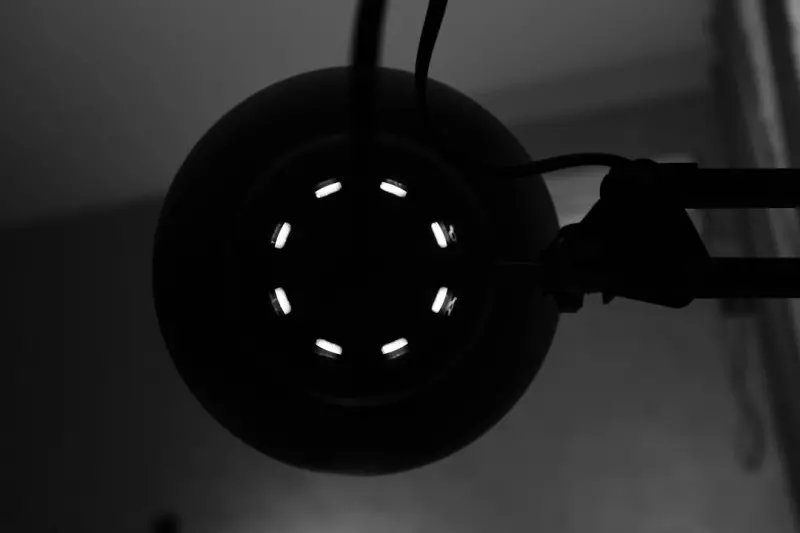
When the clock strikes midnight and the mind refuses to switch off, the experience feels less like a temporary inconvenience and more like a silent rebellion against the body’s own design. I’ve spent countless nights staring at the ceiling, cataloguing the same looping thoughts that keep sleep at arm’s length. Over time, I realized that insomnia isn’t just a symptom of stress; it’s a feedback loop fed by technology, environment, and the brain’s own expectations. In this post, I’m pulling back the curtain on a three‑part strategy that marries biofeedback, ambient light engineering, and a micro‑ritual mindset to finally give insomnia the boot.
1. Biofeedback: Turning the Body’s Signals into a Sleep Blueprint
Most people think of biofeedback as a high‑tech, clinic‑only solution reserved for athletes or chronic pain sufferers. In reality, the principle is simple: the body emits measurable signals that, once interpreted, can be adjusted to achieve a desired state. When it comes to insomnia, the key signals are heart‑rate variability (HRV), skin conductance, and breathing rhythm.
Here’s how you can start harnessing these signals without a PhD in physiology:
- Wearable HRV trackers – Devices that capture the subtle fluctuations in heart‑rate intervals are now as affordable as a fitness band. A steady HRV pattern signals parasympathetic dominance, the “rest‑and‑digest” mode essential for sleep onset.
- Breathing apps with real‑time feedback – Apps that sync with your phone’s microphone or a chest strap can display your breath depth and timing. By deliberately extending exhalation to 6‑8 seconds, you can coax the vagus nerve into a calmer state.
- Skin conductance monitors – Even a basic fingertip sensor can reveal sweating spikes that precede a night‑time anxiety surge. Recognising the pattern helps you intervene before the brain spirals.
Once you have the data, the next step is interpretation. Many platforms now offer “sleep readiness scores” that blend HRV, breathing regularity, and even ambient temperature. If your score is low, the system can suggest a pre‑sleep routine tailored to your physiology—like a five‑minute box‑breathing drill or a short meditation that aligns with your current stress profile.
It’s worth noting that the feedback loop isn’t a one‑time fix. Consistency is crucial. Over weeks, your body learns the association between the biofeedback cues and the desired outcome, gradually reducing the mental friction that typically fuels insomnia.
2. Ambient Light Design: Sculpting the Nightscape
Light is the most powerful Zeitgeber—an external cue that synchronises our internal clock. Yet, most of us treat our bedroom lighting like an afterthought, defaulting to harsh LED bulbs or, worse, scrolling under the blue‑light glare of a phone. The result? A confused suprachiasmatic nucleus (SCN) that keeps the body in a perpetual twilight state.
To rewrite this script, consider the following three layers of light engineering:
- Pre‑sleep warm ambience – About two hours before bed, shift your home’s lighting to a warm colour temperature (below 2,700 K). Smart bulbs can automate this transition, signalling to your brain that night is approaching.
- Dynamic dimming – A gradual dimming curve that mimics sunset reduces melatonin suppression. If you can’t install programmable lights, a simple lamp with a dimmer switch and a low‑temperature bulb does the trick.
- Night‑time minimalism – Keep any necessary night‑lights to a minimum and use red or amber hues, which have the least impact on melatonin production. For bathroom trips, consider motion‑activated, low‑intensity LEDs that turn off after a few seconds.
For the tech‑savvy, integrating a data‑driven lighting system can take this to the next level. Sensors detect ambient light levels, room temperature, and even your sleep stage (via a bedside device). The system then subtly adjusts light intensity to reinforce the brain’s natural sleep architecture, helping you transition through the lighter stages of sleep without abrupt awakenings.
3. Micro‑Rituals: The Tiny Behaviours That Outsmart the Brain
Large lifestyle overhauls are intimidating and often unsustainable. Instead, focus on micro‑rituals—tiny, repeatable actions that cumulatively rewire your sleep circuitry. The advantage? They’re low‑effort, low‑risk, and they bypass the brain’s resistance to major change.
Here are five micro‑rituals I’ve integrated into my nightly routine:
- Two‑minute journal dump – Write down three lingering thoughts in a notebook before bed. Externalising concerns reduces rumination and frees up working memory for sleep.
- 5‑second “lights out” mantra – As you turn off the lamp, repeat a short phrase (“calm, quiet, rest”) for five seconds. The repetition creates a Pavlovian cue that signals sleep readiness.
- Temperature check – Keep your bedroom at 65‑68 °F (18‑20 °C). If you notice a deviation, adjust a smart thermostat or open a window briefly. A consistent temperature prevents nocturnal awakenings.
- Pre‑screen digital detox – Set an alarm for 90 minutes before bedtime that prompts you to place all screens in a different room. The rule of thumb: no screen exposure within an hour of lights‑out.
- Gentle stretch sequence – Perform a three‑pose stretch (cat‑cow, seated forward fold, child's pose) for 30 seconds each. Stretching releases muscular tension, which often masquerades as mental stress.
These micro‑rituals work best when paired with the biofeedback data you collect. For instance, if your HRV score is low on a particular night, you might add an extra minute of breathing exercises or delay your lights‑out mantra by a few minutes.
4. The Role of Nutrition (Without Going Full “Predictive Nutrition”)
While I’m not diving deep into the predictive nutrition playbook—that’s a conversation for another day—it’s worth noting that certain nutrients act as natural sleep modulators. Magnesium, glycine, and theanine have documented effects on relaxation pathways. A modest supplement routine (e.g., 200 mg magnesium glycinate before bed) can complement the physiological groundwork laid by biofeedback and light design.
5. Measuring Success: Beyond the Traditional Sleep Diary
Traditional sleep diaries rely on subjective recall, which is often skewed by the very insomnia you’re trying to treat. Instead, adopt a hybrid tracking approach:
- Objective metrics – Use your wearable’s sleep staging data to monitor the proportion of deep (N3) and REM sleep. Aim for a gradual increase over weeks.
- Subjective satisfaction – Rate each morning on a 1‑10 scale how refreshed you feel. Track trends rather than isolated scores.
- Feedback loop refinement – At the end of each week, review both datasets. Identify patterns (e.g., low HRV correlating with reduced deep sleep) and adjust your micro‑rituals accordingly.
The goal isn’t perfection but progressive alignment. Insomnia is rarely solved overnight; it’s a series of small wins that accumulate into a robust sleep architecture.
6. A Real‑World Case Study: From 2‑Hour Nights to 7‑Hour Slumber
One of my clients, a senior product manager, arrived with a chronic two‑hour sleep window and a reliance on caffeine to power through the day. By implementing the three‑pillar framework—biofeedback wearables, ambient light scheduling, and a suite of micro‑rituals—she reported the following trajectory:
- Week 1: HRV improved by 12%, average sleep latency dropped from 45 minutes to 20 minutes.
- Week 3: Total sleep time increased to 5 hours, with deep sleep comprising 20% of the night.
- Week 6: Consistently achieving 7 hours of sleep, caffeine intake reduced by 60%.
The turning point was the data‑driven light adjustments that prevented abrupt melatonin suppression during late‑night screen checks. Coupled with a 2‑minute journal dump, her brain stopped treating bedtime as an open-ended problem‑solving session.
7. Putting It All Together: Your 30‑Day Insomnia Reset Plan
Ready to give it a go? Here’s a concise roadmap:
- Day 1‑3: Set up a wearable that tracks HRV and breathing. Begin logging raw data.
- Day 4‑7: Install smart bulbs or dimmers. Program a warm‑light schedule that starts two hours before bedtime.
- Day 8‑14: Introduce two micro‑rituals (journal dump and 5‑second mantra). Keep a simple satisfaction rating each morning.
- Day 15‑21: Add a third micro‑ritual (gentle stretch). Review your biofeedback data; if HRV remains low, extend breathing exercises.
- Day 22‑30: Fine‑tune the light curve based on any observed nocturnal awakenings. Consider a low‑dose magnesium supplement if tension persists.
At the end of the month, compare your baseline metrics to the new data. Celebrate any improvement, no matter how modest. Remember, the brain thrives on consistency; the more you repeat these signals, the stronger the new sleep‑friendly pathways become.
Insomnia may feel like a personal failure, but it’s really a miscommunication between your environment, physiology, and habits. By providing clear, data‑backed cues through biofeedback, intentional lighting, and bite‑sized rituals, you rewrite the narrative. The night becomes a canvas for restoration, not a battlefield of racing thoughts.

Craig Brett is a freelancer with a passion for the outdoors. His love for nature inspires his work, bringing authentic and engaging perspectives to projects related to outdoor activities, adventure, and environmental topics.
Related Posts

The Phone‑Free Night: A Data‑Driven Blueprint to Beat Insomnia
A step‑by‑step guide shows how to audit your evening screen habits, use blue‑light filters, cr... Read More

Reclaiming Rest: How Light, Rhythm, and Design Beat Insomnia
A fresh, systems‑thinking approach to insomnia that blends light‑hygiene, consistent sleep rhyth... Read More
Rewiring the Night: Ambient Tech and Sensory Cues to Quiet Insomnia
A practical guide to using ambient technology and sensory cues—light, sound, temperature, and scen... Read More
Top Posts

Breathing New Life into Brain Health: Harnessing the Power of Breathwork
This article reveals the science behind breathwork and its profound impact on brain health, offering practical techniques to boost focus, lower stress, and prom...Read More
Perimenopause at Work: Turning the Change into a Competitive Edge
Perimenopause can affect focus, mood, and energy at work. This article explains the science behind the transition, identifies early signs, and offers practical ...Read More

Rethinking Nicotine: A High‑Performance Playbook for Smokes and Vapes
A data‑driven guide shows how high‑performers can integrate nicotine into a strategic productivity stack, using wearables, digital boundaries, and calibrate...Read More

Why Men Need a Hormone Reset, Not Just a Gym Routine
Men’s health isn’t just about the gym. Learn how hormonal balance, gut health, stress reduction, and nature can boost performance and wellbeing with simple,...Read More
0 Comments
Post Comment
You will need to Login or Register to comment on this post!