
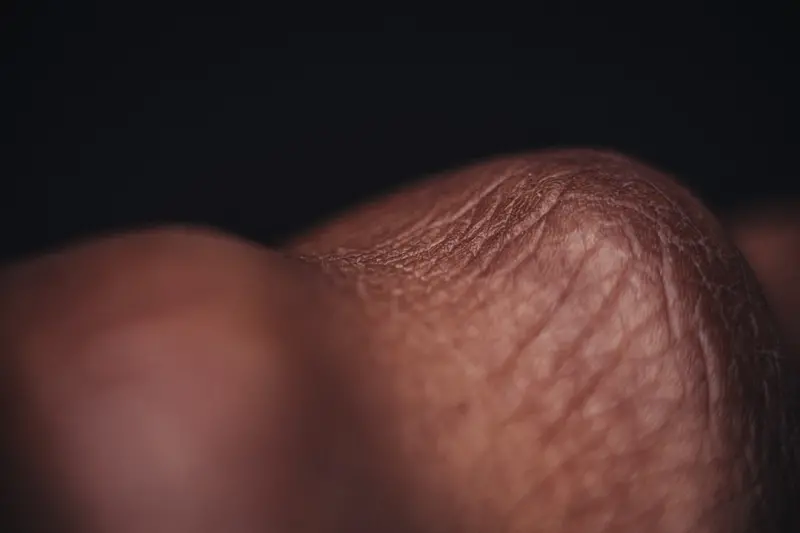
When I cradled my first child, I felt an almost electric charge in that simple act of holding them close. It wasn’t just a tender moment; it was the beginning of a profound conversation between two tiny bodies. Today, I’m sharing what research and my own journey have taught me about the astonishing power of skin‑to‑skin contact—sometimes called “kangaroo care”—and how it can shape an infant’s immune system, brain development, and emotional resilience.
The Science Behind the Snuggle
At first glance, skin‑to‑skin contact might seem like a feel‑good parenting tip, but it’s backed by a growing body of science. When a newborn’s bare skin meets a caregiver’s, several physiological processes kick into gear:
- Thermoregulation: The caregiver’s body helps stabilize the baby’s temperature, reducing the risk of hypothermia.
- Heart‑rate synchronization: Studies show that a baby’s heart rhythm often mirrors the caregiver’s, promoting a calmer, more stable state.
- Cortisol reduction: The stress hormone cortisol drops for both parties, laying the groundwork for lower anxiety levels.
- Microbial exchange: The intimate contact transfers beneficial skin microbes that seed the infant’s developing microbiome.
All of these responses converge to create an environment where the infant’s immune system can mature more efficiently. In fact, researchers have found that babies who receive regular skin‑to‑skin contact experience fewer infections and have a lower incidence of allergic conditions later in childhood.
Microbial Handshake: A First Line of Defense
One of the most fascinating, yet often overlooked, benefits of skin‑to‑skin contact is the transfer of beneficial bacteria. When you hold your baby against your chest, you’re not just sharing warmth—you’re sharing a microbial handshake that helps populate the infant’s skin and gut with good bacteria. This early colonization sets the stage for a robust gut‑associated immune system.
Think of it as a tiny, natural micro‑moment that sparks a cascade of immune training. These microbes act like a gentle trainer, teaching the newborn’s immune cells to differentiate between harmless substances and true threats. The result? A more balanced immune response that can ward off common colds, ear infections, and even reduce the risk of eczema.
Gut‑Liver Communication Starts Early
While we often talk about the gut‑brain axis in older children and adults, the connection between the gut and liver begins in the first days of life. A well‑balanced microbiome supports the liver’s detox pathways, ensuring that metabolic waste is processed efficiently. For infants, this means that early microbial exposure through skin‑to‑skin contact can influence the gut‑liver axis in ways that promote long‑term health.
When the gut flora is diverse and stable, the liver receives clearer signals about what needs to be filtered out, reducing the workload on this vital organ. This synergy can translate into better nutrient absorption, smoother digestion, and a lower likelihood of metabolic hiccups down the road.
Practical Tips for Integrating Skin‑to‑Skin into Daily Life
Even if you’re a busy parent juggling work, chores, and sleepless nights, carving out moments for skin‑to‑skin care is doable. Here are some realistic strategies that fit into most routines:
- Morning ritual: As soon as you’re up, place your baby against your chest for five minutes before checking emails or making coffee. It’s a gentle wake‑up call for both of you.
- During diaper changes: Use the diaper‑changing area as an opportunity to have a quick skin‑to‑skin session while you clean up.
- Post‑feeding bonding: After a feeding, keep the baby upright on your chest for a few minutes to promote digestion and continue the cuddle.
- Nighttime comfort: If your baby wakes for a nighttime feed, consider keeping them on your chest for a brief period before the feeding, reinforcing the calming loop.
Consistency is key, but even short, frequent intervals add up. Aim for at least 30 minutes of cumulative skin‑to‑skin contact each day during the first three months, then gradually increase as your baby grows.
Beyond the Physical: Emotional and Cognitive Gains
Skin‑to‑skin contact isn’t just a physical health booster; it also nurtures emotional security and cognitive development. The close proximity triggers the release of oxytocin, the “love hormone,” which fosters a sense of safety and attachment. Babies who feel secure are more likely to explore their environment, a critical component of early learning.
Research links consistent skin‑to‑skin interactions with improved language milestones and higher scores on early developmental assessments. While the exact mechanisms are still being unraveled, the pattern is clear: the emotional bond forged through touch lays a neural foundation for curiosity, problem‑solving, and social interaction.
Addressing Common Concerns
Many new parents wonder if skin‑to‑skin care is safe for all infants, especially those born prematurely or with medical complications. The answer is nuanced:
- Preterm infants: Kangaroo care has been shown to stabilize heart rate, improve weight gain, and reduce the length of hospital stays for preemies.
- Medical conditions: If your baby has a condition requiring specialized equipment (e.g., ventilators), discuss with your pediatrician how to safely incorporate touch.
- Temperature concerns: Ensure the room is comfortably warm (around 24‑26°C/75‑79°F) and monitor your baby’s temperature with a soft touch on the back of the neck.
Always consult your healthcare provider if you have specific worries. In most cases, the benefits far outweigh any potential risks.
Integrating Skin‑to‑Skin with Other Health Practices
Skin‑to‑skin contact works best when it’s part of a holistic infant‑care routine. Consider pairing it with these complementary practices:
- Breastfeeding: The two naturally align—breastfeeding while holding skin‑to‑skin maximizes hormone release and milk flow.
- Gentle movement: Light rocking or swaying while holding your baby can further soothe the nervous system.
- Mindful breathing: Taking slow, deep breaths during skin‑to‑skin can amplify the calming effect for both parent and child.
These layered approaches create a supportive environment that nurtures growth on multiple fronts.
Real‑World Stories: Parents Who’ve Felt the Difference
Below are a few snippets from families who integrated skin‑to‑skin care into their lives and observed tangible changes:
- Jenna & Maya: “Our daughter was colicky for weeks. After we started 15‑minute skin‑to‑skin sessions after each feed, the crying tapered off dramatically. She’s calmer, and so are we.”
- Mark & Leo: “Leo was born a month early. The NICU encouraged kangaroo care, and we saw his weight increase faster than expected. He left the NICU two weeks earlier than projected.”
- Sophia & Noah: “We were skeptical at first, but after a month of daily skin‑to‑skin, Noah started making eye contact and smiling earlier than his peers.”
These anecdotes echo the larger body of research, reinforcing that the simple act of holding your baby close can be a game‑changer.
Putting It All Together: A Week‑Long Skin‑to‑Skin Blueprint
To help you get started, here’s a practical, week‑long plan that balances realism with consistency. Feel free to adjust based on your schedule.
- Day 1–2: 5 minutes in the morning, 5 minutes after each feeding (3‑4 times a day). Total: ~20‑25 minutes.
- Day 3–4: Increase morning session to 10 minutes. Add a 5‑minute evening cuddle before bedtime.
- Day 5–7: Aim for 15 minutes in the morning, 10 minutes after each feeding, and a 10‑minute bedtime session. Total: ~45‑60 minutes.
Track your observations in a simple journal: note any changes in your baby’s sleep patterns, mood, feeding efficiency, and any illnesses. Over time, you’ll likely see patterns that affirm the benefits.
Looking Ahead: The Long‑Term Impact
While the immediate advantages of skin‑to‑skin contact are evident, the ripple effects can extend far into the future. By nurturing a healthy microbiome, supporting gut‑liver communication, and establishing strong emotional bonds, you’re laying a foundation that could reduce the risk of chronic illnesses, improve mental health, and foster lifelong resilience.
As a parent, you have a unique toolkit at your fingertips—your hands, your heartbeat, your breath. Leveraging these natural resources isn’t just a feel‑good idea; it’s a strategic move for lifelong health.
So the next time you find yourself cradling your little one, remember: you’re not just providing comfort; you’re engineering a healthier future, one skin‑to‑skin moment at a time.

Brandy Miller is a dynamic freelance writer based in the vibrant city of Cambridge, Ontario. With a passion for storytelling that knows no bounds, she crafts compelling narratives that captivate and inspire. Brandy’s love for writing shines through in her versatile work, whether she’s penning thought-provoking articles or engaging content that resonates with readers. Her unique perspective and friendly tone make her a sought-after voice in the writing community. When she’s not weaving words together, you can find her exploring the beautiful landscapes of Ontario, always seeking new adventures and inspiration for her next piece. Brandy is not just a writer; she’s a creative force, making her mark one word at a time.
Related Posts

Nurturing Your Baby's Immune System: Everyday Strategies for Stronger Health
Learn how simple daily habits—like tailored nutrition, gentle skin care, and balanced exposure to ... Read More

Designing a Sensory‑Friendly Nursery to Support Your Baby’s Health
Learn how intentional lighting, sound, textures, and routines can turn any nursery into a health‑b... Read More

Why the First Year of Air Matters More Than You Think
A deep dive into why the air your infant breathes is critical for their lung development, immune sys... Read More
Top Posts

When the Daily Grind Becomes a Health Ally: A Modern Man’s Blueprint
A practical guide for busy men to integrate micro‑check‑ins, simple nutrition, and mindful habits into daily life, turning ordinary routines into subtle hea...Read More

A Holistic Blueprint for Outsmarting Cancer in 2026
Explore a personal, holistic strategy to prevent cancer in 2026, featuring nutrition, exercise, mental resilience, and cutting‑edge digital tools....Read More

Cellular Reset: Harnessing Light, Breath, and Data for a Deep Body Cleanse
Explore a fresh detox approach that targets cellular waste with infrared heat, intentional breathing, and data‑driven timing for deeper, lasting renewal....Read More

Detox Your Home, Detox Your Body: A Practical Guide to Cleaner Living
A practical guide reveals how everyday toxins in air, water, and household surfaces sabotage your detox goals and offers actionable steps to create a healthier,...Read More
0 Comments
Post Comment
You will need to Login or Register to comment on this post!