

When I first cradled my newborn, the world seemed to shrink down to the size of his tiny fist. Every coo, every hiccup felt like a secret code I was desperate to decode. Over the months that followed, I learned that the most powerful answers often lie not in glossy magazines or endless Instagram feeds, but in the simple, day‑to‑day choices we make around feeding, touching, and listening to our little ones. This post is a love‑letter to the brave parents who choose to follow their baby’s cues, and a practical guide for those curious about swapping the traditional bottle routine for a more intuitive, baby‑led approach.
From Bottle to Hand‑Fed: What “Baby‑Led Feeding” Really Means
Baby‑led feeding (BLF) isn’t a fad diet; it’s a philosophy that trusts an infant’s innate ability to regulate intake, develop oral motor skills, and build a healthy relationship with food. Instead of spoon‑feeding purees, parents offer soft, age‑appropriate pieces of whole foods—think steamed carrot sticks, ripe avocado wedges, or banana mash. The baby explores, gums, and eventually chews at their own pace. The goal isn’t to replace breastmilk or formula (those remain nutritional cornerstones for the first six months), but to introduce textures and flavors when the infant shows readiness, typically around six months.
The Science Behind Self‑Regulation
Research shows that infants have a remarkable ability to self‑regulate their caloric intake. When given the freedom to decide how much to eat, they tend to consume just enough to meet growth milestones without excess. This self‑regulation is linked to a healthier body mass index (BMI) later in childhood. A 2020 meta‑analysis of BLF studies found that children who practiced baby‑led weaning were 30% less likely to develop obesity by age five compared to their spoon‑fed peers. The key takeaway? Empowering babies early on can set the stage for lifelong metabolic balance.
Gut Health Starts at the First Bite
One often‑overlooked benefit of BLF is its impact on the developing gut microbiome. Diverse, fiber‑rich foods introduce a broader array of prebiotic fibers that feed beneficial bacteria. While gut health has been hailed as a performance enhancer for adults, the same principles apply to infants. A thriving microbiome supports digestion, immune function, and even mood regulation—critical factors in those early months when infants are constantly learning to process new experiences.
Chrono‑Nutrition for Tiny Tummies
Timing matters as much as content. Chrono‑nutrition, the practice of aligning meals with the body’s circadian rhythms, can be adapted for infants. While newborns don’t have a fully formed circadian clock, establishing a gentle routine—feeding during daylight hours and allowing night feeds to be calmer and less stimulating—helps set the foundation for healthier sleep‑wake cycles later. Pairing BLF with mindful timing encourages more stable blood sugar levels, reducing fussiness and improving overall mood.
Practical Steps to Transition
- Assess Readiness: Look for signs such as sitting up with minimal support, showing interest in what you’re eating, and the ability to grasp objects with the pincer grasp.
- Start Simple: Offer a single‑finger‑size piece of soft fruit or cooked veg. Let your baby explore with their hands and mouth.
- Stay Close, Stay Calm: Sit with your baby at a high chair or lap, and be ready to intervene if choking hazards arise. Remember, gagging is a normal part of learning.
- Maintain Milk Intake: Continue breastfeeding or formula feeding on demand. BLF supplements, not replaces, those primary nutrition sources.
- Document the Journey: Keep a simple log of foods introduced, reactions, and any concerns. This data can be valuable when discussing growth patterns with your pediatrician.
Safety First: Navigating Choking Risks
Choking fears are common, but with proper preparation, the risk is minimal. Always cook foods until they’re soft enough to mash between your fingers, and cut them into pieces no larger than a quarter of an inch. Avoid hard, round, or sticky foods like whole grapes, nuts, or raw carrots until your child’s teeth are more developed. The American Academy of Pediatrics recommends that caregivers be trained in infant first aid and CPR—knowledge that can turn a scary moment into a calm resolution.
Building a Sensory Rich Feeding Environment
Feeding is more than nutrition; it’s a multisensory experience that supports brain development. Encourage your baby to touch the food, notice colors, and even smell the aromas. Talk about the textures—“soft,” “crunchy,” “smooth”—and name the foods. These interactions stimulate language centers and foster a positive emotional connection to eating. Over time, babies develop a broader palate and are more willing to try new foods, reducing picky eating tendencies later on.
When “Messy” Is a Good Thing
Mess is inevitable in BLF. Expect plates with splatters, high chairs with food stains, and a lot of clean‑up. Embrace it as a sign that your baby is actively exploring. To keep the chaos manageable, use silicone bibs, washable high‑chair covers, and a designated feeding mat. A quick tip: keep a damp cloth handy for instant wipe‑downs, and consider a “food‑free” zone on the floor where you can let your baby experiment without fearing a permanent carpet stain.
The Role of Digital Health Tools
Modern parenting doesn’t have to be a solo trek. Digital health platforms now offer tools that track feeding patterns, growth metrics, and even suggest personalized food introductions based on your baby’s age and developmental stage. While many apps focus on sleep, a few are expanding to include nutrition modules that sync with pediatric health records. If you’re feeling overwhelmed, a simple digital health tool can provide reassurance by visualizing progress and highlighting trends you might miss in the day‑to‑day hustle.
Addressing Common Misconceptions
My baby will starve if I let them decide. Not true. Babies naturally eat until satisfied, and the gag reflex protects them from choking on larger pieces.
BLF is only for “organic” or “high‑end” families. Absolutely not. The core principle—trusting the child’s cues—requires no premium ingredients. Simple, affordable foods like ripe bananas or cooked sweet potatoes work perfectly.
It’s too messy for a small apartment. While mess is part of the process, strategic cleanup solutions (like the silicone mats mentioned earlier) keep the environment tidy. Plus, the benefits far outweigh a few extra wipes.
Integrating BLF with Breastfeeding or Formula
Continuing breastmilk or formula alongside BLF provides a balanced nutritional profile. Milk remains the primary source of protein, calcium, and essential fats, while solids contribute fiber, iron, and varied textures. As your baby’s intake of solids increases, you’ll naturally see a gradual shift in the proportion of milk to food, but there’s no need to rush. Follow your child’s hunger signals—if they’re still reaching for the bottle after a solid snack, offer more milk.
Community Support: You’re Not Alone
Join local parent groups, both online and in‑person, that focus on baby‑led feeding. Sharing experiences, recipes, and tips can be a lifeline. Many hospitals now offer BLF workshops as part of postpartum classes. If you’re skeptical, start with a “trial week” where you introduce one BLF meal per day and observe your baby’s reaction. Documenting these moments can help you refine the approach and build confidence.
Long‑Term Benefits: A Glimpse into the Future
Beyond the immediate advantages—improved motor skills, better gut health, and reduced fussiness—BLF may influence lifelong eating habits. Children raised on a variety of textures and flavors are often less prone to restrictive diets and more open to trying new foods in adulthood. This openness can translate to better nutritional status, lower risk of chronic diseases, and a healthier relationship with food overall.
Final Thoughts: Trust the Tiny Tummy
Parenting is a series of experiments, and baby‑led feeding is one of the most rewarding. It honors the infant’s autonomy, nurtures development, and aligns with modern understandings of gut health, chrono‑nutrition, and digital support. By stepping back, offering safe, nutritious options, and observing with curiosity, you’ll watch your baby blossom into a confident eater—one that loves food, trusts their body, and thrives in every way.

Jessica Hall is a dynamic freelance writer based in the vibrant city of London, Ontario. As a dedicated single mom, she expertly juggles the demands of parenthood with her passion for storytelling, crafting compelling narratives that resonate with readers. With a background in retail, Jessica brings a unique perspective to her writing, infusing her work with insights drawn from her experiences
Related Posts

The Healing Power of Gentle Touch in the First Months of Life
Gentle, skin‑to‑skin contact is a simple yet powerful practice that supports an infant’s immun... Read More

Data‑Driven Parenting: Harnessing Baby Wearables for Healthier Infants
This article delves into the rise of baby wearables, explaining key metrics they track, how to choos... Read More

Nurturing Infant Health: A Holistic Approach to Wellness
A holistic approach to infant health considers the intricate relationships between physical, emotion... Read More
Top Posts

Listening to Your Gut for Real Wellness
A personal guide to recognizing and responding to the gut’s daily messages, offering simple habits that boost digestion, energy, and emotional balance....Read More
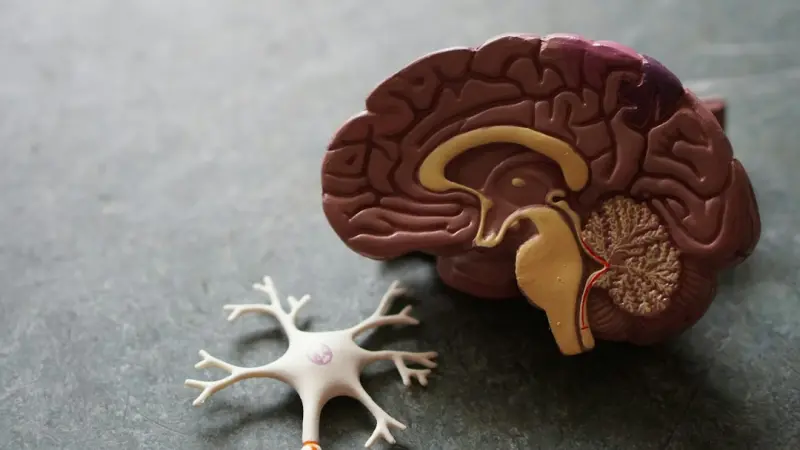
The Gut‑Brain Connection: Micro‑Habits for a Balanced Mind
A practical guide to the gut‑brain axis, offering simple dietary tweaks, outdoor exposure tips, and wearable data loops that together support a healthier micr...Read More

Rewiring Nighttime: How Biofeedback and Light Design Crush Insomnia
A practical three‑pillar strategy—biofeedback, ambient light engineering, and micro‑rituals—helps break the insomnia cycle, turning nightly frustration ...Read More

Calming the Midnight Alarm: A Practical Blueprint for Taming Sleep Terrors
A hands‑on guide to quieting the brain’s alarm system at night, using breath, grounding, and sensory tricks to finally put sleep terrors to rest....Read More
0 Comments
Post Comment
You will need to Login or Register to comment on this post!