

The Hidden Symphony of Blood Pressure
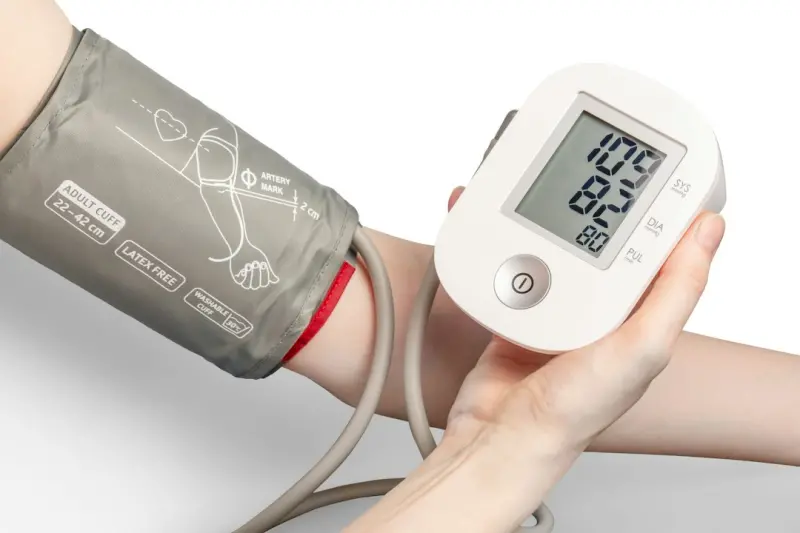
Most people think of blood pressure as a static number on a cuff, but it’s really a dynamic, rhythmic conversation between your heart, vessels, and nervous system. When that conversation stays in tune—typically around 120/80 mm Hg—you feel energetic, focused, and ready to tackle daily challenges; when it falls out of sync, you may experience headaches, fatigue, or subtle warning signs that your body is working harder than it should. Understanding this hidden symphony lets you shift from merely “checking numbers” to actively orchestrating a healthier flow, and that mindset is the first step toward lasting control.
Why the Numbers Matter—and How They Speak to Your Whole Health
While a single reading can spark concern, the pattern over weeks reveals the true story of arterial health, stress response, and even hormonal balance. Elevated systolic pressure often signals stiffening arteries, whereas a rising diastolic number can hint at hidden stress or poor sleep quality; both are red flags that deserve attention before they become chronic conditions. By treating each reading as feedback, you can fine‑tune diet, movement, and mindset in a way that aligns with your body’s unique language.
Nutrition as a Pressure Modulator
Food isn’t just fuel; it’s a powerful regulator of vascular tone, inflammation, and fluid balance, all of which directly impact blood pressure. Incorporating potassium‑rich vegetables, magnesium‑laden nuts, and omega‑3 fatty acids helps dilate vessels and calm the nervous system, while cutting back on sodium, processed sugars, and excess caffeine reduces the “tightening” effect that spikes numbers. For a deeper dive into a comprehensive plan, check out my holistic nutrition approach, which blends whole‑food principles with practical tips for busy lives.
Movement & Mindful Exercise: The Physical Reset
Regular aerobic activity—whether it’s brisk walking, cycling, or dancing—creates shear stress that trains the endothelium to relax, naturally lowering systolic pressure over time. Strength training adds another layer by improving insulin sensitivity and reducing resting heart rate, both of which support a healthier pressure profile. Pairing these sessions with mindful movement practices like yoga or tai chi also cultivates breath awareness, which can instantly calm the sympathetic surge that often drives short‑term spikes.
Stress Management & Breathwork: Calming the Inner Turbulence
Chronic stress triggers the release of cortisol and adrenaline, hormones that constrict blood vessels and push pressure upward, creating a vicious feedback loop if left unchecked. Simple breathwork techniques—such as the 4‑7‑8 method or box breathing—activate the parasympathetic system within minutes, offering an immediate “pressure‑relief” button you can use at work, in traffic, or before bedtime. Integrating short, daily meditation sessions further strengthens emotional resilience, making you less reactive to the inevitable stressors of modern life.
Sleep & Recovery: The Overnight Pressure Reset
Quality sleep is the body’s natural detox for the cardiovascular system; during deep REM cycles, heart rate drops, blood vessels dilate, and blood pressure often falls 10–20% below daytime levels. Disrupted sleep, on the other hand, keeps the nervous system in a heightened state, leading to persistent hypertension and increased cardiovascular risk. Prioritizing a consistent bedtime routine, limiting blue‑light exposure, and creating a cool, dark bedroom environment can turn sleep into a nightly “reset” button for your numbers.
The Power of Whole‑Body Detox: Clearing the Path for Clear Pressure
Environmental toxins, heavy metals, and excess dietary waste can accumulate in the bloodstream, subtly impairing endothelial function and nudging blood pressure upward. A gentle, evidence‑based detox—focusing on hydration, fiber‑rich foods, and antioxidant‑rich herbs—helps the liver and kidneys clear these burdens, allowing vessels to breathe more freely. For a step‑by‑step plan, explore my whole‑body detox blueprint, which offers practical, sustainable actions that support not only pressure control but overall vitality.
Tracking & Tech Tools: Turning Data into Insight
Modern wearables and home blood pressure monitors give you real‑time feedback, turning abstract health concepts into tangible metrics you can act on. Pairing these devices with a simple spreadsheet or health app allows you to spot trends—like morning spikes after caffeine or evening dips after a walk—so you can adjust habits with surgical precision. Remember, data is only as good as the actions it inspires; use it as a compass, not a crutch, to stay aligned with your wellness goals.
Building a Sustainable Routine: From Short‑Term Wins to Lifelong Mastery
The ultimate goal isn’t a one‑time drop in numbers but a lifestyle that naturally keeps blood pressure in the optimal range for decades. Start by selecting three manageable changes—perhaps a daily walk, a potassium‑rich snack, and a nightly breathing exercise—and commit to them for 30 days, tracking progress along the way. As those habits solidify, layer in additional practices like weekly strength sessions, regular detox cycles, and periodic tech reviews, creating a resilient, adaptable system that supports both heart health and overall wellbeing.

Brody Lambert is an emerging freelance writer whose fresh voice and thoughtful approach are quickly making their mark. As a fairly new entrant in the world of freelance writing, Brody brings a blend of curiosity and dedication that fuels every project, crafting stories and content that resonate with authenticity and clarity.
Related Posts

Unlocking Everyday Levers to Naturally Lower Blood Pressure
Learn how simple daily tweaks—mindful breathing, nutrient‑rich foods, biofeedback tools, and rhy... Read More

Managing Blood Pressure through a Holistic Approach
Learn how a holistic approach can help you manage blood pressure naturally. Explore the benefits of ... Read More
Breath, Light & Posture: Blood Pressure Strategy for Modern Professionals
A practical guide shows how rhythmic breathing, natural lighting, and proper posture can collectivel... Read More
Top Posts

Turning Your Health Insurance Into a Personal Wellness Engine
Discover a fresh perspective on health insurance that moves beyond emergency coverage. This guide shows you how to leverage preventive services, wellness stipen...Read More

Flex Coverage: Health Insurance Solutions for the Gig Economy
The gig economy demands health coverage that adapts to fluctuating income and varied needs. Learn about subscription‑style plans, AI‑driven personalization,...Read More

The Liver’s Secret Power: A Holistic Blueprint for Whole‑Self Wellness
Explore William Roy’s holistic blueprint for liver health, blending nutrition, detox, sleep, and movement to boost vitality and support whole‑self wellness....Read More

The Hidden Levers of Muscle Growth: A Systems Approach
Muscle growth isn’t just about lifting heavier; it’s a complex system of signals, nutrition, sleep, and stress management. This guide reveals how micro‑ad...Read More
0 Comments
Post Comment
You will need to Login or Register to comment on this post!