
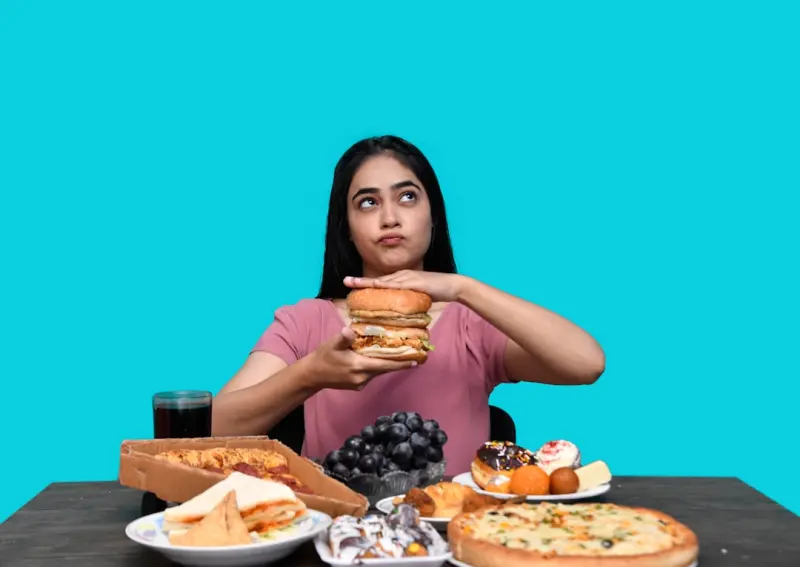
Why Neurodiversity Matters in the Conversation About Eating Disorders
When I first sat down to write about eating disorders, I expected to follow the familiar narratives of body image, diet culture, and societal pressure. What surprised me, and what continues to surprise me, is how often we overlook a critical piece of the puzzle: neurodiversity. Whether you identify as autistic, have ADHD, dyslexia, or any other neurodivergent profile, the way your brain processes stress, reward, and sensory input can shape an eating disorder in ways that traditional treatment models simply don’t address. This isn’t a niche concern; research is beginning to reveal that neurodivergent individuals are disproportionately represented among those seeking help for binge‑eating, restrictive eating, and orthorexia. By acknowledging this intersection, clinicians, support groups, and even friends can begin to craft more compassionate, effective pathways to recovery.
The Hidden Overlap: Sensory Sensitivities and Food Choices
One of the most immediate ways neurodivergence shows up in eating patterns is through sensory processing differences. Many autistic adults describe meals as “overwhelming” because textures, temperatures, and even the sound of chewing can trigger intense discomfort. This isn’t a matter of “picky eating” in the whimsical sense; it’s a physiological response that can quickly turn into avoidance, leading to restrictive diets or, paradoxically, binge cycles when the individual finally finds a “safe” food.
Consider the following sensory triggers and their typical impact:
- Texture aversions: Crunchy foods may feel “too loud,” while mushy foods could seem “soupy” or “unstructured.”
- Temperature extremes: Very hot soups or ice‑cold smoothies might cause a visceral reaction that the brain labels as threatening.
- Visual cues: Brightly colored plates or unevenly arranged food can be perceived as chaotic, prompting avoidance.
When these triggers are constant, the brain’s stress response remains activated, reinforcing a cycle where food becomes a battlefield rather than nourishment. Understanding this dynamic opens the door to practical accommodations—like offering foods at a uniform temperature or using neutral‑colored dishware—that can dramatically reduce anxiety around meals.
Executive Function, Impulsivity, and the “What‑Now” Eating Loop
ADHD brings a different set of challenges. Impulsivity isn’t just about making snap decisions; it’s tied to the brain’s reward circuitry, which often craves immediate gratification. For many with ADHD, the act of reaching for a high‑sugar snack or bingeing on a favorite treat is less about body dissatisfaction and more about quickly satiating a neurochemical need.
Executive function deficits—difficulties with planning, organizing, and sustaining attention—can also sabotage the structure that traditional eating disorder therapies rely on. If a person struggles to keep a food diary, schedule meals, or remember self‑care appointments, the very tools meant to support recovery become sources of frustration.
Strategies that work well include:
- Using visual timers or smartphone alerts to cue regular eating intervals.
- Implementing “grab‑and‑go” nutrient‑dense snack packs that require minimal decision‑making.
- Partnering with a “meal buddy” who can provide gentle reminders and accountability without judgment.
Social Communication, Isolation, and the Hidden Loneliness Factor
Neurodivergent individuals often navigate social landscapes that feel hostile or confusing. This can lead to chronic feelings of isolation—a known risk factor for developing disordered eating. For example, a person on the autism spectrum might find group meals overwhelming, opting to eat alone. While solitude can be soothing, it also removes the social monitoring that can help moderate portion sizes or provide emotional support.
In many cases, the loneliness isn’t just physical but also emotional. Misinterpretations of social cues can cause a neurodivergent person to internalize criticism or perceive neutral comments as attacks on their body or eating habits. Over time, this internal dialogue can morph into the self‑critical voice that fuels restrictive or compensatory behaviors.
Creating inclusive social eating environments is crucial. Simple steps such as:
- Offering clear, written agendas for group meals.
- Providing a “quiet corner” where sensory overload can be reduced.
- Encouraging honest conversations about sensory needs and preferences.
can help bridge the gap between isolation and connection.
Neurodivergent Strengths: Reframing the Narrative
It’s tempting to focus solely on challenges, but neurodiversity also brings unique strengths that can be leveraged in recovery. Many autistic individuals possess an extraordinary attention to detail, which can be redirected toward tracking nutritional intake with precision. Those with ADHD often exhibit high levels of creativity—useful for developing novel coping strategies that keep the mind engaged away from food‑focused rumination.
When clinicians adopt a strengths‑based approach, the therapeutic alliance shifts from “fixing deficits” to “amplifying assets.” For instance, a therapist might work with an autistic client to create a sensory‑friendly meal plan that respects texture preferences while gradually expanding the palate. Meanwhile, a client with ADHD could co‑design a “food adventure” game that turns balanced meals into a rewarding quest rather than a chore.
Integrating the Body: How Gut Health and Brain Function Intersect
While neurodivergence primarily concerns brain wiring, the gut‑brain axis reminds us that the body and mind are inseparable. Emerging research suggests that gut microbiota can influence mood, impulse control, and even sensory perception—areas already vulnerable in neurodivergent populations. A balanced gut‑liver axis can support calmer digestion and more stable energy levels, which in turn may reduce the urge for impulsive eating.
Practical steps to nurture this connection include:
- Incorporating fermented foods like kimchi, kefir, or miso to diversify gut flora.
- Limiting processed sugars that can destabilize blood glucose and exacerbate ADHD‑related cravings.
- Prioritizing regular, low‑stress meals that allow the digestive system to operate without frantic interruptions.
By viewing nutrition through the lens of both neurodiversity and gut health, we create a holistic framework that respects the complexity of each individual’s experience.
Designing Environments That Support Neurodivergent Eating
The physical space around us plays a silent but powerful role in shaping eating behaviors. For neurodivergent individuals, clutter, harsh lighting, or chaotic kitchen layouts can trigger sensory overload, making the act of cooking or even plating a meal feel like a battlefield. On the flip side, a calm, predictable environment can lower anxiety and promote mindful nourishment.
One actionable approach is environment redesign that aligns with neurodivergent needs. Consider the following adjustments:
- Use neutral, matte dishes to minimize visual overstimulation.
- Implement a “clean‑up routine” that keeps countertops free of excess utensils and ingredients.
- Set up a designated “prep zone” with all essential tools within arm’s reach, reducing the need for frequent movement.
These seemingly minor tweaks can transform a kitchen from a source of dread into a sanctuary for experimentation and self‑care.
Micro‑Breaks and Mental Reset: The Power of Tiny Moments
Neurodivergent brains often benefit from short, frequent breaks that prevent cognitive fatigue—a factor that can indirectly affect eating patterns. When mental resources are depleted, the brain may default to “quick‑fix” foods that require minimal effort. Integrating micro‑moments of mindfulness or gentle movement can recalibrate attention and reduce the reliance on food as a coping mechanism.
Examples of effective micro‑breaks include:
- Five‑minute breathing exercises focused on diaphragmatic breath.
- Stretching sequences that target neck and shoulder tension, common in individuals who spend long hours at a screen.
- Brief sensory grounding activities, such as holding a cool stone or listening to a single note on a tuning fork.
These bite‑sized interventions are especially valuable for those who struggle with sustained focus, providing an accessible way to reset without reaching for a snack.
Re‑imagining Treatment: From One‑Size‑Fits‑All to Tailored Pathways
Traditional eating disorder programs often rely on standardized meal plans, group therapy, and cognitive‑behavioral techniques that assume a neurotypical baseline. While many people thrive under this model, neurodivergent clients may feel alienated or misunderstood, leading to higher dropout rates.
Key adaptations to consider:
- Individualized sensory assessments: Conduct a thorough inventory of texture, temperature, and visual preferences before designing a nutrition plan.
- Flexible scheduling: Offer shorter, more frequent therapy sessions for those with attention challenges.
- Multimodal communication: Combine verbal, written, and visual instructions to ensure comprehension.
- Collaborative goal‑setting: Allow clients to co‑create milestones that honor both recovery objectives and neurodivergent coping strategies.
When treatment respects neurological differences, it not only improves adherence but also validates the person’s lived experience—a critical component of lasting healing.
Community Voices: Stories of Resilience
Listening to firsthand accounts can illuminate the nuanced ways neurodiversity intertwines with eating disorders. Here are two brief excerpts from community members who have navigated this intersection:
“I used to dread the texture of any cooked vegetable. After working with a dietitian who understood my sensory profile, we introduced pureed versions that gradually evolved into lightly steamed florets. It was a slow but empowering journey.” — Maya, autistic, age 29
“My ADHD made it impossible to sit down for a full meal. By using a timer and pre‑portioned snack boxes, I finally felt in control of my intake without the constant mental chatter.” — Luis, ADHD, age 34
These narratives underscore a simple truth: when we honor neurodivergent needs, we open pathways for autonomy, self‑compassion, and sustainable recovery.
Taking the First Step: A Practical Checklist
If you or a loved one identifies as neurodivergent and is grappling with an eating disorder, start with this actionable checklist:
- Identify sensory triggers related to food (texture, temperature, sound, visual). Document them in a journal.
- Explore gut‑friendly foods that align with your sensory preferences.
- Set up a calming eating environment: neutral plates, soft lighting, minimal background noise.
- Implement micro‑breaks throughout the day to manage stress and reduce impulsive cravings.
- Seek a practitioner experienced in neurodiversity‑informed care or request accommodations within your current treatment plan.
- Connect with community groups—online or in‑person—where neurodivergent individuals share coping strategies for eating challenges.
Remember, healing is not a linear road; it’s a mosaic of small, intentional actions that, together, create a picture of resilience.
Conclusion: Embracing Complexity, Cultivating Hope
The conversation around eating disorders is evolving, and it’s time we expand it to fully embrace neurodiversity. By recognizing sensory sensitivities, executive function differences, and the profound impact of social isolation, we can move beyond generic treatment models toward truly personalized care. The intersection of brain wiring and gut health, the power of environment design, and the magic of micro‑moments all converge to offer a richer, more compassionate roadmap to recovery.
For clinicians, the call to action is clear: integrate neurodivergent assessments into your intake protocols, collaborate with dietitians who understand sensory needs, and champion flexible, strengths‑based therapeutic approaches. For those living with neurodivergence, know that your experience is valid, your challenges are understood, and there are emerging pathways designed with you in mind. The journey may be intricate, but with the right tools, community, and self‑kindness, thriving beyond the disorder is not just possible—it’s within reach.

Deb Roberts is a freelancer who writes on various subjects, bringing versatility and depth to her work. Alongside her broad writing expertise, she has a special passion for horses.
Related Posts

Beyond the Mirror: A Holistic View of Eating Disorders
A personal, holistic guide to overcoming eating disorders, focusing on mind‑body connections, comm... Read More

When Food Becomes Conversation: Rewriting My Relationship with Eating
A candid first‑person account reveals how redefining food as dialogue, community, and mindful move... Read More

When Screens Meet Plates: Redefining Eating Disorders in the Digital Age
A fresh perspective on how online culture shapes eating disorders and actionable steps to reclaim co... Read More
Top Posts

Sweat, Strength, and Longevity: Why Men Should Embrace the Sauna
Explore the science behind sauna use for men, from cardiovascular gains to muscle recovery and stress relief, and learn practical tips to make heat therapy a da...Read More

The Connection Between Prediabetes and Preventive Care: A Comprehensive Approach to Wellbeing
Prediabetes is a condition where blood sugar levels are higher than normal but not high enough to be classified as diabetes. Learn how preventive care can help ...Read More

Writing Your Pregnancy Narrative: Turning Expectancy into a Personal Story
Learn to frame each trimester as a vivid chapter, using sensory rituals, journaling, and shared stories to turn pregnancy into an empowering, unforgettable narr...Read More

The Surprising Connection Between Mental Health and Weight Loss
Mental health plays a critical role in weight loss, with stress, anxiety, and emotional eating being major obstacles. Learn how to address these underlying issu...Read More
0 Comments
Post Comment
You will need to Login or Register to comment on this post!