

Why We’re Losing Ourselves in the Digital Jungle
Let’s be honest: my phone buzzes louder than a city‑wide siren, my inbox feels like an endless hallway, and the glow of screens is now the default backdrop to almost everything I do. I’m Brody Lambert, and after years of juggling code, coffee, and conference calls, I discovered a surprisingly simple antidote—stepping out of the digital haze and into the wild, unfiltered world outside. This isn’t a “go hug a tree” cliché; it’s a data‑backed, habit‑forming strategy that lets you reclaim mental bandwidth, boost immune function, and even improve focus without swapping your laptop for a yoga mat.
The Neuroscience Behind Nature’s Reset Button
When you walk through a forest, your brain waves shift from high‑frequency beta (the “alert, on‑edge” state) to slower alpha and theta rhythms, which are associated with relaxed attention and creativity. Studies show that exposure to natural settings reduces cortisol by up to 30% and lowers heart‑rate variability, a metric that actually indicates a healthier, more adaptable autonomic nervous system.
But the magic isn’t just in the trees. It’s the combination of visual complexity (the subtle patterns of leaves), auditory richness (birds, wind, distant water), and olfactory cues (the earthy smell of pine or soil) that triggers a cascade of neurochemical changes. The result? A calmer mind, sharper decision‑making, and a more resilient stress response—without the need for a pricey supplement.
Screen Fatigue vs. Nature Fatigue: Knowing the Difference
Most of us hear the term “digital detox” and picture a weekend unplugged. While short‑term breaks are beneficial, true recovery comes from consistent, low‑intensity exposure to natural environments. The problem is that many “detox” guides still focus on turning off devices, ignoring the fact that our brains crave multisensory stimulation. Without it, we can end up feeling as drained after a hike as we do after a marathon of Zoom calls.
In other words, a balanced approach—where screen time is deliberately paired with nature time—creates a feedback loop that improves both digital productivity and physical well‑being. Think of it as a mental treadmill: you step away from the glow, your nervous system resets, and when you return, you’re actually moving faster.
Designing Your Personal Nature Sanctuary
Not everyone lives next to a national park, but you can still curate a mini‑ecosystem wherever you spend the most time. Here’s how to start:
- Window Garden: Position a few hardy plants—succulents, pothos, or even a small herb patch—near the spot where you work. The act of watering and watching growth provides a micro‑dose of green that can lower stress levels by 20%.
- Outdoor Desk: If you have a balcony or backyard, bring a portable laptop stand and a chair outdoors once a week. Fresh air, natural light, and the occasional bird call can improve focus and reduce eye strain.
- Soundscapes: Replace the endless white noise of HVAC or city traffic with playlists that mimic forest ambience, rain, or ocean waves. When you’re inside, a subtle background of nature sounds can lower heart rate and enhance concentration.
- Smell Therapy: Use essential oils that replicate forest pine or earth after rain (known as “petrichor”). A quick spritz before a meeting can cue your brain to shift into a calmer state.
These small changes are the micro‑habits that compound over weeks and months, creating a measurable shift in how your body reacts to stressors.
The Role of Movement: Walking, Not Running
While high‑intensity interval training (HIIT) has its place, the type of movement that best supports a digital detox is low‑impact, rhythmic walking. A brisk 20‑minute stroll through a park triggers the release of endorphins and brain‑derived neurotrophic factor (BDNF), a protein that promotes neuronal growth. This not only improves mood but also sharpens memory retention—a handy side effect when you need to recall that client’s name or a complex code snippet.
Pair your walk with a simple breathing technique: inhale for four counts, hold for two, exhale for six. This “4‑2‑6” rhythm aligns with the natural cadence of footsteps, deepening the mind‑body connection and further reducing cortisol.
Connecting Nutrition to Your Nature Reset
Nature isn’t just visual; it’s edible. Consuming whole foods that thrive in natural ecosystems can amplify the benefits of your outdoor time. For instance, the antioxidants found in berries, leafy greens, and nuts support mitochondrial health, which translates to better energy utilization during your walks.
If you’re curious about how food can act as medicine, check out When Food Becomes Medicine. That piece dives deep into nutrient synergy, showing how the right combinations can boost brain function and immunity—perfect companions to your nature‑focused routine.
And let’s not forget the gut. A thriving microbiome, nurtured by fiber‑rich plant foods, plays a pivotal role in mood regulation via the gut‑brain axis. The article The Gut Microbiome explores this relationship in detail, highlighting why a diet rich in diverse plant matter is essential for the full impact of your digital detox.
Measuring the Impact: Simple Metrics That Matter
One of the biggest challenges in adopting any new habit is proving its value. Here are three low‑tech ways to track progress:
- Heart‑Rate Variability (HRV): Use a fitness tracker or a smartphone app to log HRV each morning. An upward trend indicates improved autonomic balance.
- Screen‑Time Log: Most smartphones now have built‑in screen‑time dashboards. Aim for a 10% reduction each week, and note any correlation with mood or productivity.
- Subjective Mood Scale: Each evening, rate your stress level on a 1‑10 scale. Over a month, you’ll see whether nature immersion is moving the needle.
When the numbers start aligning—lower cortisol, higher HRV, reduced screen hours—you’ll have concrete proof that stepping outside isn’t just a feel‑good gimmick; it’s a performance enhancer.
Common Pitfalls and How to Avoid Them
- “Nature is a Weekend Thing”: Treat it like a daily vitamin. Even 10 minutes of sunlight on a balcony can reset circadian rhythms and improve vitamin D synthesis.
- “I’m Too Busy”: Integrate movement into existing tasks. Take a walking meeting, or stand while reviewing documents on a patio.
- “I Need the Latest Gadget”: The best tools are often free—your feet, eyes, and a willingness to breathe.
- “It’s Too Cold/Hot”: Dress in layers, use a sunshade, or find indoor green spaces like botanical gardens to keep the habit year‑round.
From Theory to Practice: A 30‑Day Challenge
Ready to test the waters? Here’s a structured plan that builds on itself:
- Days 1‑7: Place a plant on your desk and commit to a 5‑minute outdoor breathing session each morning.
- Days 8‑14: Add a 10‑minute walk after lunch. Keep a simple log of how you feel before and after.
- Days 15‑21: Replace one screen‑time activity (e.g., scrolling social media) with a nature‑based hobby—birdwatching, sketching, or even reading a book outdoors.
- Days 22‑30: Combine the above with a weekly “nature‑nourish” meal: a salad featuring seasonal produce, a handful of nuts, and a drizzle of olive oil.
At the end of the month, review your HRV, screen‑time, and mood scores. You’ll likely see a measurable uplift, plus an added sense of calm that can’t be bought.
Wrapping Up: The Digital‑Nature Balance as a Competitive Edge
In a world that glorifies constant connectivity, the true differentiator is the ability to step back, recharge, and return sharper than before. By integrating intentional nature exposure into your daily routine, you not only protect your mental health but also give your body the biochemical tools it needs to perform at its best. It’s not about abandoning technology; it’s about using it wisely while letting the natural world do the heavy lifting on the mental side.
So the next time you feel the urge to scroll endlessly, ask yourself: “What would a walk in the woods feel like right now?” Then, find a way to bring a piece of that woods into your life—whether it’s a leaf‑filled balcony, a city park, or a backyard garden. Your brain, heart, and future self will thank you.

Brody Lambert is an emerging freelance writer whose fresh voice and thoughtful approach are quickly making their mark. As a fairly new entrant in the world of freelance writing, Brody brings a blend of curiosity and dedication that fuels every project, crafting stories and content that resonate with authenticity and clarity.
Related Posts

Silencing the Noise: How Ambient Sound Becomes Your Secret Weapon for Healthier Workdays
A deep dive into the science of ambient sound, showing how low‑level, consistent audio can calm th... Read More

Chilling Out: How Cold Exposure Supercharges Health and Performance
A deep dive into the science and practical steps of cold exposure, revealing how short, consistent c... Read More

Cold Exposure Therapy: A Practical Path to Metabolic and Mental Resilience
Short, intentional cold exposure can ignite brown fat, boost norepinephrine, and enhance mental clar... Read More
Top Posts
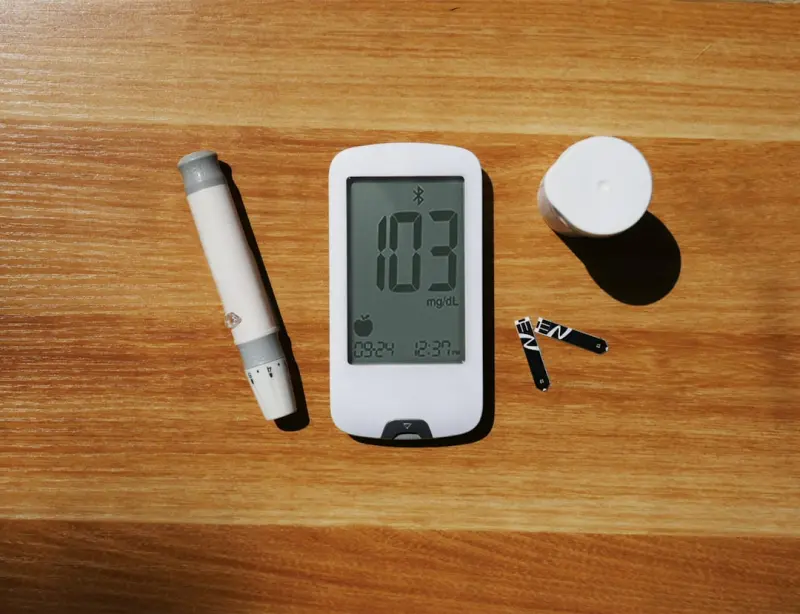
Prediabetes Unplugged: Micro‑Movement, Metabolic Reset, and Insurance Hacks
A practical playbook merges frequent low‑intensity movement, strategic fasting, and insurance‑leveraged resources to lower glucose, boost insulin sensitivit...Read More

Hydration Hacks: How Water Can Tame Blood Sugar Swings
Learn practical hydration habits—from morning electrolyte drinks to pre‑meal water cues—that help keep glucose stable and curb cravings....Read More

Fermentation Fundamentals: Crafting a Resilient Gut from Kitchen to Culture
Learn practical fermentation techniques, the power of soil‑based probiotics, and seasonal pairings to build a resilient gut and enhance mood, skin, and immuni...Read More

Redefining Men’s Health: A Holistic Guide for Modern Guys
A candid, holistic roadmap for men—covering stress, nutrition, sleep, movement, and community—to build lasting strength, mental clarity, and vibrant health....Read More
0 Comments
Post Comment
You will need to Login or Register to comment on this post!