

Imagine walking into a physiotherapy clinic and, instead of a sterile checklist of movements, you’re greeted with a brief story—your own. The narrative isn’t a gimmick; it’s a deliberate, evidence‑based tool that reshapes how the brain and body collaborate during recovery. As a therapist who has spent years watching patients wrestle with pain, frustration, and the stubborn inertia of injury, I’ve learned that the most powerful catalyst for change often lives in the stories we tell ourselves.
Why Stories Matter in Rehabilitation
Our brains are wired to seek meaning. When an injury strikes, the narrative we construct around that event can either imprison us in a cycle of avoidance or empower us to reclaim movement. Neuroscience tells us that storytelling activates the default mode network, the brain’s “story‑center,” which in turn modulates the limbic system—the emotional core that influences pain perception.
When patients reframe a painful episode as a challenge rather than a catastrophe, the autonomic nervous system shifts from a sympathetic “fight‑or‑flight” state to a parasympathetic “rest‑and‑digest” mode. This physiological transition reduces muscle tension, improves blood flow, and creates a fertile ground for neuroplasticity—the brain’s ability to form new connections that underpin motor relearning.
From Passive Exercises to Narrative‑Driven Movement
Traditional physiotherapy often emphasizes the what and how of movement: “Do three sets of heel raises,” “Hold the stretch for 30 seconds.” While these cues are essential, they can feel mechanical, especially when progress stalls. Adding a narrative layer transforms a repetitive drill into a purposeful act.
- Goal‑Oriented Storytelling: Frame each exercise as a step toward a personal milestone—whether it’s dancing at a wedding, hiking a favorite trail, or simply playing with a grandchild. The patient’s own aspirations become the plot, and each rep is a paragraph in that story.
- Temporal Anchoring: Encourage patients to imagine a future moment when they’ve regained function. This mental rehearsal, akin to visualization techniques, primes motor circuits before the physical attempt.
- Reflective Journaling: After each session, patients jot down how the movement felt, any emotional shifts, and what the next “scene” looks like. This written narrative consolidates learning and reinforces motivation.
Science Spotlights: How Narrative Enhances Motor Learning
Research in motor rehabilitation shows that patients who engage in “action observation” and “mental imagery” recover faster than those who rely solely on physical practice. Storytelling amplifies these mechanisms:
- Mirror Neuron Activation: When a patient hears a story about successfully navigating a movement, mirror neurons fire as if they were performing the action themselves, strengthening the motor plan.
- Emotion‑Linked Memory: Emotional arousal—whether excitement or relief—tags memories more robustly. A compelling narrative provides that emotional charge, making the motor skill stick.
- Reduced Fear‑Avoidance: By contextualizing pain within a broader, hopeful storyline, patients reinterpret sensations as “signals” rather than “warnings,” lowering the fear that often stalls rehab.
Practical Ways to Weave Narrative Into Sessions
Integrating storytelling doesn’t require a complete overhaul of your clinic’s workflow. Below are actionable steps you can adopt tomorrow:
- Start With a “Story Prompt”: Ask patients, “If you could picture yourself doing X activity pain‑free, what would that look like?” Capture the answer and reference it throughout treatment.
- Use Metaphorical Language: Compare the injured tissue to a “bridge under repair” that needs sturdy beams (strength) and flexible cables (mobility). Metaphors simplify complex physiology.
- Incorporate tiny functional drills as plot points: Each micro‑task (e.g., a single step onto a curb) becomes a “scene” that advances the storyline.
- Leverage Breath: Integrate breath awareness cues to anchor the patient in the present moment, turning each inhale into a narrative “breath of confidence.”
- Digital Storybooks: Use simple video recordings or voice memos where patients recount their progress. Playback reinforces self‑efficacy.
Case Vignettes: When Narrative Made the Difference
Case 1: Post‑Operative Knee Rehab
Emma, a 42‑year‑old marathoner, struggled with quadriceps weakness after ACL reconstruction. Standard protocols yielded modest gains, but her fear of re‑injury kept her from fully loading the leg. We introduced a “race day” narrative: Emma visualized crossing the finish line, hearing the crowd, feeling the wind. Each squat was reframed as “taking the next stride toward that finish.” Within six weeks, her strength metrics improved by 30 % and she reported a 50 % drop in pain‑related anxiety.
Case 2: Chronic Low Back Pain
Mark, a 58‑year‑old carpenter, had lived with low back pain for years. Traditional physiotherapy helped marginally, but he felt disconnected from his work. We asked Mark to tell the story of his first “perfect” day on a job site. He described the rhythm of hammering, the satisfaction of a snug joint. By pairing his daily core stabilization routine with this vivid memory, Mark’s pain intensity fell from an 8/10 to a 3/10 over eight weeks, and he returned to full shifts.
Technology Meets Narrative: Apps and Wearables
Modern clinics can augment storytelling with digital tools. Wearable sensors provide real‑time feedback, which can be translated into “progress meters” within a patient’s personal story. For example, an app might display a virtual garden blooming as gait symmetry improves, turning data into a visual narrative.
Additionally, voice‑to‑text journaling apps let patients dictate their reflections immediately after a session, preserving the emotional tone that handwritten notes sometimes lose. When reviewed together, these entries become a living script that both therapist and patient co‑author.
Common Pitfalls and How to Avoid Them
While narrative is powerful, missteps can dilute its impact:
- Over‑Romanticizing: If the story feels unattainably ideal, patients may disengage. Keep narratives realistic and incremental.
- Neglecting Evidence‑Based Exercise: Storytelling should complement, not replace, biomechanically sound interventions.
- One‑Size‑Fits‑All Scripts: Personalization is key. What motivates one patient may bore another.
- Ignoring Cultural Context: Be sensitive to cultural narratives and metaphors that might not resonate.
Measuring Success: Metrics Beyond Range of Motion
Traditional outcome measures (e.g., ROM, strength) remain essential, but narrative integration invites additional metrics:
- Self‑Efficacy Scores: Tools like the “Exercise Self‑Efficacy Scale” capture confidence levels.
- Motivation Index: Short questionnaires assess intrinsic drive before and after storytelling interventions.
- Qualitative Themes: Periodic reviews of patient journals reveal emerging motifs—resilience, gratitude, empowerment—that signal psychological progress.
Bringing It All Together: A Sample Session Blueprint
- Opening Narrative Check‑In (5 min): Ask the patient to recount their “scene” from the previous week. Celebrate wins.
- Movement Review (10 min): Perform the prescribed exercise while the therapist narrates its role in the larger story (“Now we’re strengthening the bridge to support the next crossing”).
- Micro‑Task Practice (15 min): Execute a series of tiny functional drills linked to the narrative (e.g., stepping onto a low curb as “climbing the first hill”).
- Breath Integration (5 min): Guide a breath‑focused pause, framing each inhale as “drawing in confidence,” each exhale as “releasing doubt.”
- Reflection & Journaling (5 min): Patient records thoughts, emotions, and any new “plot twists.”
- Goal Setting (5 min): Co‑create the next scene: specific, measurable, and story‑aligned.
Repeating this structure builds a habit where movement and narrative become inseparable, fostering a mindset where rehabilitation feels like an adventure rather than a chore.
Final Thoughts: The Future Is Story‑Shaped
Physiotherapy has always been about restoring function, but function thrives in context. When we honor the patient’s personal story, we give the body a purpose to fight for. The result isn’t just stronger muscles or smoother gait; it’s a renewed belief that the body can rewrite its own narrative, one mindful movement at a time.
So the next time you lace up your shoes for a session, remember: you’re not just stretching a hamstring—you’re turning a page in a story that’s waiting to be told.

Deb Roberts is a freelancer who writes on various subjects, bringing versatility and depth to her work. Alongside her broad writing expertise, she has a special passion for horses.
Related Posts
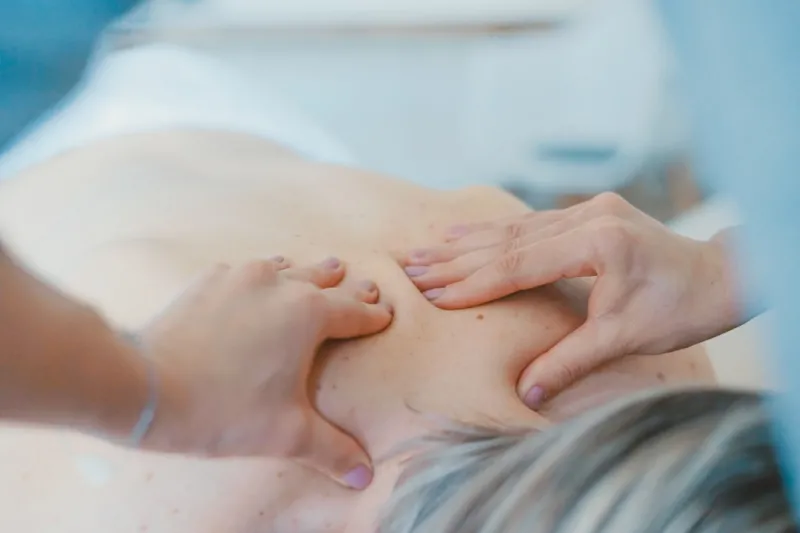
The Next Wave of Physiotherapy: How Holistic Care Is Redefining Recovery
Explore how modern physiotherapy merges holistic health, wearable tech, and personalized movement pl... Read More

Why Remote Workers Need a Physiotherapy Playbook: Turning Desk‑Bound Hours into Movement Wins
A practical guide for remote workers that combines micro‑movements, habit‑stacking, ergonomic tw... Read More
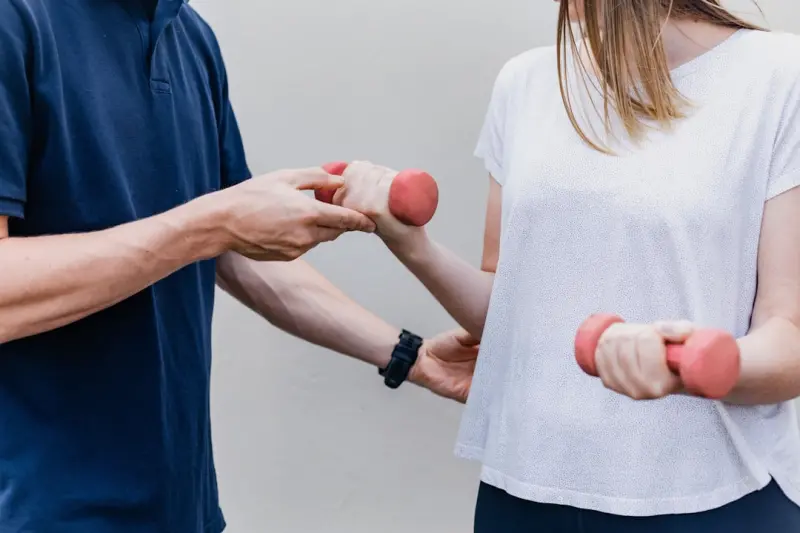
Micro‑Break Mastery: A Physiotherapist’s Blueprint for Office Wellness
Discover a physiotherapist’s simple micro‑break system to combat office‑related pain, boost mo... Read More
Top Posts
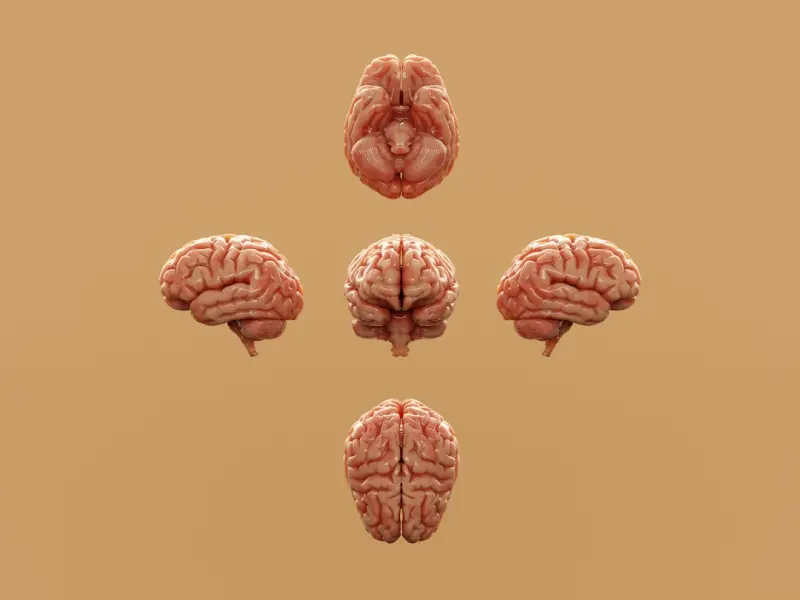
The Hidden Longevity Hack: Building a Brain Fitness Routine for Busy Professionals
A practical guide shows busy professionals how to boost longevity by treating their brain like a high‑performing micro‑service—through deliberate learning...Read More
Rewilding Your Gut: How Wild Microbes Can Boost Modern Health
Explore actionable strategies to rewild your gut—using fermented foods, foraged greens, and kitchen practices—to restore microbial diversity, improve digest...Read More

The Relationship Blueprint for a Longer, Vibrant Life
Strong social bonds, purposeful interactions, and thoughtfully designed environments can dramatically extend lifespan. This article uncovers the science behind ...Read More

Hormonal Health at Work: Strategies Women Can Use Today
A comprehensive guide shows how understanding menstrual cycles, perimenopause, and conditions like PCOS can inform flexible policies, tech tools, and a culture ...Read More
0 Comments
Post Comment
You will need to Login or Register to comment on this post!