
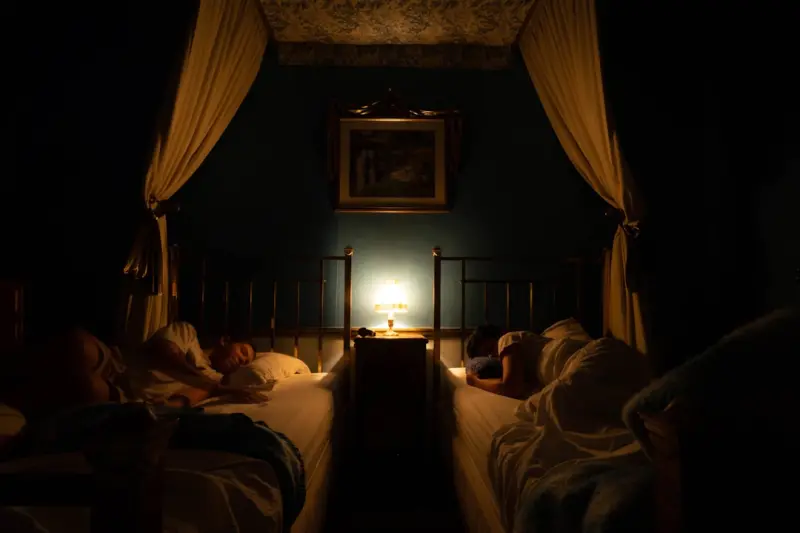
Why My Worst Nightmares Might Be My Greatest Teachers
It’s 3 a.m. and the house is silent except for the thudding of my heart. I’m jolted awake, drenched in cold sweat, and the memory of a night terror lingers like a half‑remembered song. For years I treated these episodes as a glitch in my system—something to be fixed, not explored. Then, after a decade of chasing the elusive “perfect sleep” and reading every article on insomnia, I realized that my most terrifying nights were actually handing me a secret map to my subconscious.
The anatomy of a sleep terror
First, let’s get the science out of the way. Sleep terrors, also known as pavor nocturnus, are a type of parasomnia that usually strike during the first third of the night, when we’re still in non‑REM (NREM) deep sleep. Unlike vivid, story‑like dreams that occur in REM sleep, a night terror is an abrupt, instinctive surge of fear that can include screaming, thrashing, and an overwhelming sense of dread. The person often has no recollection of the event the next morning, yet the body remembers the physiological spike: heart rate, adrenaline, and a flood of cortisol.
What makes them distinct from nightmares? Nightmares are narrative, often symbolic, and we can usually recall them. Night terrors are pre‑cognitive—they bypass the story‑making parts of the brain and hit the raw, survival‑mode circuitry. Because of that, they feel less like a plot and more like an alarm bell wired directly to the amygdala.
From “what’s wrong with me?” to “what am I being shown?”
When I first started tracking my night terrors, I approached them with the same language I use for bugs in code: “There’s an error; I need a patch.” I tried sleep hygiene tricks, melatonin, even the occasional prescription. Nothing stopped the spikes, and the anxiety about “having them” grew.
One night, after a particularly brutal episode, I sat up in the dark, breathing heavily, and asked the quiet room a simple question: “What are you trying to tell me?” The answer didn’t come as a word, but as a feeling—a knot in my chest linked to a project I’d been ignoring at work. The next morning, I dug into that project, discovered a hidden flaw, and fixed it before it caused a cascade of problems.
That moment flipped the script. I stopped treating night terrors as enemies and started seeing them as signal packets from my brain’s deep‑sleep monitoring system. They’re not random; they’re triggered by unresolved stressors, suppressed emotions, or physiological imbalances that our waking mind hasn’t processed yet.
Mapping the triggers
Here’s how I built a practical, data‑driven map of my night terrors:
- Sleep journal: I logged the date, time, duration of the terror, any preceding events (work stress, diet, exercise), and my morning mood. Patterns emerged quickly.
- Physiological markers: A simple wearable tracked heart rate variability (HRV). I noticed that low HRV nights often preceded terrors.
- Emotional check‑ins: Using a quick 5‑minute meditation, I asked myself “What am I feeling right now?” before bed. The answers ranged from “overwhelmed by deadlines” to “unspoken tension with a friend.”
After three months, three common threads stood out:
- Unresolved conflict—both at work and in personal relationships.
- Micro‑nutrient dips—particularly magnesium and B‑vitamins.
- Inconsistent circadian cues—late-night screens and irregular wake times.
Re‑engineering the night: a toolbox
Instead of trying to suppress the terrors, I designed a “nighttime response plan” that acknowledges and works with them. Below are the core tools that have reshaped my relationship with these episodes.
1. The “Ground‑Down” Pause
When a terror erupts, the body is already in a high‑alert state. The first step is to ground the nervous system. I place a cold pack on my forehead (the shock of cold triggers the parasympathetic response) and practice a slow 4‑7‑8 breath. Within 30 seconds, the heart rate begins to settle.
2. Audio Anchors for the Amygdala
Sound can be a powerful regulator for the amygdala. I use a low‑frequency audio habit—a gentle, rhythmic hum that mimics the heartbeat. It’s not music; it’s a “sonic sanctuary” that signals safety to the brain. I keep a small speaker by my pillow, set to a 2‑minute loop that automatically fades out if I’m still awake after ten minutes.
3. Nutrient Buffering
Magnesium glycinate before bed has become non‑negotiable. I also sip a warm almond‑milk drink infused with a pinch of sea salt and a dash of cinnamon—a trio that supports GABA production, stabilizes blood sugar, and eases muscle tension.
4. “Micro‑Resolution” Journaling
Within five minutes of waking, I write a single sentence describing the dominant emotion I sensed during the terror. Then I list one tiny action I can take to address it. For example: “Feeling trapped about the upcoming presentation → outline one slide tonight.” The act of translating vague dread into a concrete step reduces the emotional load the next night.
5. Light‑Therapy Reset
Morning exposure to natural light (or a calibrated light box) helps reset the circadian rhythm. I aim for at least ten minutes of bright light within the first hour after waking, which improves HRV and reduces the likelihood of deep‑sleep spikes later.
Turning terror into insight
When I stopped fighting the terror and started listening, the episodes became less frequent and far less frightening. More importantly, each one acted as a diagnostic flash, pointing me toward unresolved issues before they manifested as burnout or chronic stress.
Here’s a case study that illustrates the shift:
- Scenario: A senior product manager began experiencing nightly terrors after a major product launch. The episodes coincided with a feeling of “impending failure.”
- Intervention: She logged emotions, introduced magnesium, and used the audio anchor. She also scheduled a brief “post‑launch debrief” meeting to process the team’s outcomes.
- Outcome: Within six weeks, terrors dropped by 70%, and she reported a clearer sense of agency. The debrief turned a vague dread into actionable feedback, removing the subconscious alarm.
Why this matters for everyone, not just “night terrors” sufferers
Even if you’ve never experienced a night terror, the framework of recognize → ground → translate → act can be applied to any form of nighttime unrest—whether it’s waking up sweaty after a stress‑filled dream or simply feeling “off” after a restless night. The underlying principle is that our bodies are constantly sending us data; the trick is learning the language.
In a world where we’re constantly optimizing for performance, the nighttime is the only truly private space we have to hear those raw signals. By honoring them, we not only improve sleep quality but also gain a competitive edge in decision‑making, creativity, and emotional resilience.
Next steps: your personal night‑terror audit
If you’re curious to try this approach, here’s a three‑day starter kit:
- Day 1 – Capture: Set a simple alarm for 3 a.m. (if you can) or keep a notebook by the bed. Write down any physical sensations, emotions, or vague impressions you remember upon waking.
- Day 2 – Ground: Practice the cold‑pack and 4‑7‑8 breath technique for five minutes before bed. Add the low‑frequency hum to your sleep environment.
- Day 3 – Translate: Write one actionable step linked to the emotion you noted on Day 1. Implement a micro‑resolution before the next night’s sleep.
Repeat this cycle for two weeks, adjusting nutrients, light exposure, and audio length as needed. You’ll likely notice a reduction in intensity and frequency of any nighttime disturbances—and a clearer sense of what your subconscious is nudging you toward.
Conclusion: embracing the shadow
Sleep terrors are uncomfortable, but they’re not a curse. They’re a reminder that our brains are still hard at work when we’re offline, processing, sorting, and flagging what needs attention. By moving from fear to curiosity, we transform a nightly nightmare into a daily advantage.
So the next time you feel the cold grip of a terror, remember: you’ve been handed a secret key. Use it to unlock the hidden rooms of your mind, and you’ll wake up not just rested, but wiser.

Nikki McDonald is a freelancer based in Waterloo. She brings her skills and expertise to various projects, balancing her professional work with a personal life that includes her husband, Stewart.
Related Posts

Navigating Nighttime Panic: A Personal Guide to Overcoming Sleep Terrors
A first‑hand account of battling sleep terrors, with actionable breathing, visualisation, and bedr... Read More

Decoding Sleep Terrors: A Science‑Backed Blueprint for Calm Nights
A practical guide blends neuroscience, sound therapy, and simple lifestyle tweaks to help you quiet ... Read More
When the Brain Screams: Decoding Sleep Terrors for Better Health
Sleep terrors are more than nighttime scares—they reveal how our brain’s alarm system, stress re... Read More
Top Posts

Reimagining the Home Office: A Physiotherapist’s Playbook for Movement‑Rich Workdays
Learn how to integrate physiotherapy‑backed micro‑bites, dynamic stretches, ergonomic tweaks, and tech‑driven cues into your remote workday, reducing pain...Read More
How I Tamed My Blood Pressure: A Holistic Journey to Calm
A first‑person guide reveals how mindful movement, diet tweaks, better sleep, and stress‑busting habits can naturally lower blood pressure and sustain heart...Read More
Listening to the Quiet War Within: A Data‑Driven Playbook for Autoimmune Balance
A comprehensive guide that blends personal data tracking, gut health, circadian rhythm, and community support to empower individuals in managing autoimmune dise...Read More

Health Insurance as a Talent Retention Power Play
A health‑insurance plan isn’t just a cost; it’s a strategic asset. Learn how to design, communicate, and leverage benefits to retain top talent, support r...Read More
0 Comments
Post Comment
You will need to Login or Register to comment on this post!