
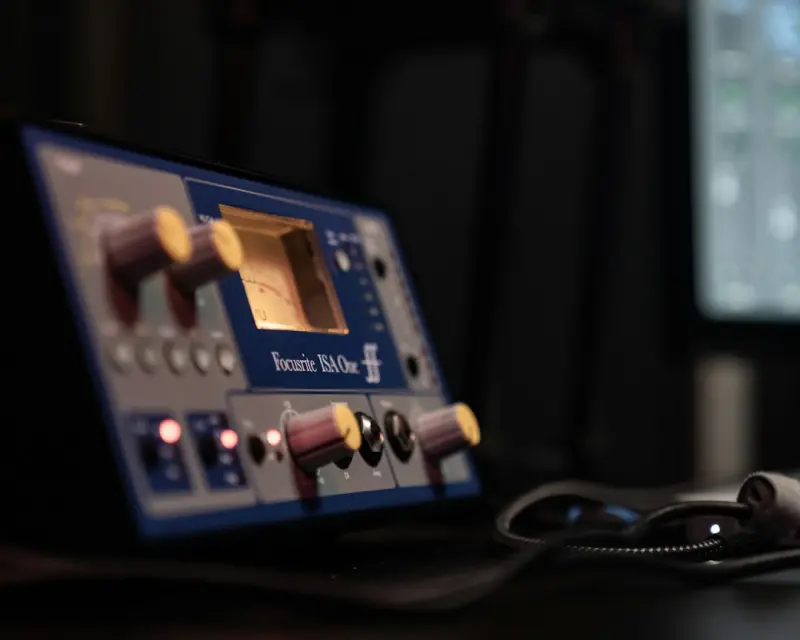
In a world where the hum of a laptop fan can feel louder than a conversation, the soundscape we inhabit has become an unspoken influencer of our mental health. While we often focus on visual clutter or notification overload, the auditory environment is a silent driver of stress, focus, and emotional balance. This post explores how to consciously curate the sounds around us—whether at the home office, the coffee shop, or the living room—to build a personal “sonic sanctuary” that supports mental clarity and resilience.
Why Sound Matters More Than We Think
Our brains are hardwired to respond to sound. From the primal alarm of a thunderclap to the soothing lull of a distant stream, auditory cues trigger physiological reactions: heart rate changes, hormone release, and shifts in attention. Modern life, however, bombards us with a relentless mix of background chatter, traffic, and digital alerts. This constant low‑level noise—often called auditory fatigue—can erode our capacity to concentrate, increase anxiety, and even impair sleep quality.
Research in neuropsychology shows that even subtle, repetitive sounds (like the ticking of a clock or the buzz of a fluorescent light) can activate the brain’s stress pathways. Over time, this creates a baseline of heightened arousal, making it harder to unwind after a demanding day. The solution isn’t to retreat into silence—silence can feel unnerving for many—but to shape an intentional soundscape that aligns with the tasks at hand and the emotional state we aim to cultivate.
Mapping Your Auditory Zones
Think of your environment as a series of zones, each with a purpose:
- Deep‑Focus Zone: Ideal for complex problem‑solving or creative writing. Low‑frequency, steady sounds (like white noise or gentle rain) mask distracting spikes and help maintain a flow state.
- Transition Zone: The space between tasks where you reset. Here, short musical interludes or nature sounds can act as a mental palate cleanser.
- Relaxation Zone: Dedicated to unwinding—reading, meditation, or evening wind‑down. Soft ambient tones, binaural beats, or instrumental acoustic pieces encourage parasympathetic activation.
By defining these zones, you give your brain a clear cue: “It’s time to focus,” “It’s time to shift gears,” or “It’s time to relax.” This cueing system reduces the cognitive load of decision‑making, freeing mental bandwidth for the work you truly care about.
Tools of the Trade: From Simple to Sophisticated
Creating a sonic sanctuary doesn’t require a pricey sound system. Below are tools you can adopt at any budget level.
- Ambient Sound Apps: Platforms like Brain.fm, myNoise, and free YouTube playlists offer curated soundscapes designed for focus, relaxation, or sleep. Choose a theme that matches your zone and set it on a loop.
- Physical Sound Barriers: Door seals, rugs, and wall hangings absorb echo and reduce intrusive external noise. Even a small bookshelf filled with books can act as an acoustic buffer.
- Noise‑Canceling Headphones: Modern models feature adaptive sound control that amplifies ambient speech while dampening constant background hum. They’re a portable way to maintain your zone wherever you go.
- Smart Speakers with Automation: Use routines that trigger specific playlists based on time of day or calendar events. For example, a “Morning Focus” routine could start a subtle rain soundtrack as soon as you open your laptop.
Crafting a Personal Audio Ritual
Rituals give structure to the otherwise chaotic flow of daily life. Here’s a step‑by‑step audio ritual you can embed into your morning, workday, and evening.
Morning Reset (5 minutes)
Start with a gentle sunrise playlist—soft piano or acoustic guitar—while you brew coffee. This low‑intensity music signals to your nervous system that it’s time to transition from sleep to wakefulness without the jolt of a sudden alarm.
Deep‑Focus Session (90 minutes)
Activate your Deep‑Focus Zone with a steady, non‑melodic soundscape. A low‑level white noise or a distant ocean surf can drown out sudden interruptions, allowing you to enter a flow state. If you find your mind wandering, gently adjust the volume or switch to a slightly different timbre; this minor change re‑engages attention without breaking concentration.
Micro‑Shift Break (3‑5 minutes)
When your timer signals a break, swap the ambient sound for a brief clip of nature—birds chirping, a forest canopy rustling. The contrast creates a mental reset, similar to a visual “window break” but for your auditory system.
Evening Wind‑Down (20 minutes)
Transition to the Relaxation Zone with low‑frequency binaural beats or a guided meditation soundtrack. Dim the lights, and let the sound guide your breathing. This practice lowers cortisol levels, preparing both body and mind for restorative sleep.
When Sound Becomes a Stressor: Recognizing Red Flags
Not every auditory addition is beneficial. Pay attention to these warning signs:
- Constant Irritability: If you notice heightened agitation after a “focus” playlist, the sound may be too stimulating.
- Physical Discomfort: Ear fatigue, headaches, or tension in the jaw can indicate volume or frequency issues.
- Reduced Sleep Quality: If evening soundscapes bleed into your bedtime routine, they can interfere with the natural decline of melatonin.
When any of these appear, reassess the volume, duration, or type of audio you’re using. Sometimes, a simple reduction in decibel level restores balance.
Integrating Audio Awareness with Broader Mental‑Health Practices
Sound is only one piece of the mental‑health puzzle. Pairing your sonic sanctuary with other evidence‑based habits magnifies its impact.
- Mindful Breathing: Sync breath with rhythmic sound cues—inhale on a low drum beat, exhale on a soft chime.
- Physical Movement: A brief stretch while listening to a rising melody reinforces the mind‑body connection.
- Screen‑Free Strategies: Occasionally replace auditory input with silence to let your nervous system reset. The practice of stepping away from screens, as discussed in strategic screen‑free habits, can amplify the benefits of your curated soundscape.
- Creative Reframing of Insomnia: For those who wrestle with sleeplessness, consider how the silence of the night can be a canvas for gentle auditory exploration. Turning sleeplessness into a source of creative inspiration—like the approach highlighted in turning sleeplessness into creative fuel—can shift the narrative from frustration to empowerment.
The Science of “Sound Hygiene”
Just as we practice dental hygiene, sound hygiene involves regular maintenance of auditory health. The American Academy of Audiology recommends the following:
- Limit Continuous Exposure: Keep any single sound source under 60 minutes without a break.
- Use Safe Volume Levels: Aim for 60% of maximum device volume; higher levels increase risk of auditory fatigue.
- Schedule Quiet Periods: Designate at least one hour per day of minimal auditory input to give your brain a restorative pause.
Adhering to these guidelines not only protects hearing but also sustains the mental benefits you derive from intentional sound design.
Case Study: From Chaos to Calm in a Remote Design Team
A mid‑size graphic design agency shifted to a fully remote model and noticed a dip in team morale and output. After a brief audit, they discovered that many employees were working from shared living spaces with unpredictable background noise. The leadership introduced a company‑wide “audio protocol”: each employee received a pair of noise‑canceling headphones and access to a curated library of focus‑enhancing soundscapes. Within three weeks, self‑reported stress levels dropped by 27%, and project turnaround time improved by 15%.
This example underscores that sound is not merely a personal preference—it can be a strategic lever for organizational well‑being.
Practical Checklist for Building Your Sonic Sanctuary
- Identify your primary work zones and the corresponding auditory needs.
- Select a primary sound source (app, playlist, or physical device).
- Set volume to a comfortable, non‑intrusive level.
- Schedule regular auditory breaks and at least one daily quiet period.
- Pair audio habits with complementary practices: breathing, movement, or screen‑free moments.
- Review and adjust weekly based on stress levels, focus, and sleep quality.
Final Thoughts: Listening to Yourself
Our mental health thrives when we respect the subtle cues our bodies send us. By turning the everyday soundtrack of our lives into a purposeful, healing tool, we reclaim agency over attention, emotion, and ultimately, our overall well‑being. Start small—choose one zone, one sound, one ritual—and watch as the ripple effects transform your day.

Related Posts

Digital Declutter: Reclaiming Your Mental Space
Discover how intentional digital decluttering—through audits, zone creation, batch processing, and... Read More

Digital Dawn: Reclaiming Calm in a Hyper‑Connected World
A pragmatic guide to protecting mental well‑being amidst constant connectivity, featuring micro‑... Read More

The Secret Superpower of Structured Daydreaming for Stress Relief
Learn how to turn brief, intentional daydreams into a powerful mental rehearsal that reduces stress,... Read More
Top Posts

Reimagining Physiotherapy: The Rise of Digital Motion Coaching
Digital motion coaching blends wearable sensors, AI analysis, and interactive platforms to extend physiotherapy beyond the clinic, offering real‑time feedback...Read More
Insomnia Unplugged: My Holistic Blueprint for Restful Nights
David MacKinnon shares his personal, holistic blueprint for beating insomnia, blending nutrition, mindful routines, and gentle movement to restore peaceful nigh...Read More

The Weight Loss Journey: A Holistic Approach to Sustainable Results
A holistic approach to weight loss takes into account the intricate relationships between physical, mental, and emotional health. Learn how to create a sustaina...Read More

Level‑Up Rehab: How Virtual Reality Gaming Is Transforming Physiotherapy
Virtual reality is reshaping physiotherapy by turning exercises into immersive games, offering precise feedback, and improving patient adherence, ultimately acc...Read More
0 Comments
Post Comment
You will need to Login or Register to comment on this post!