
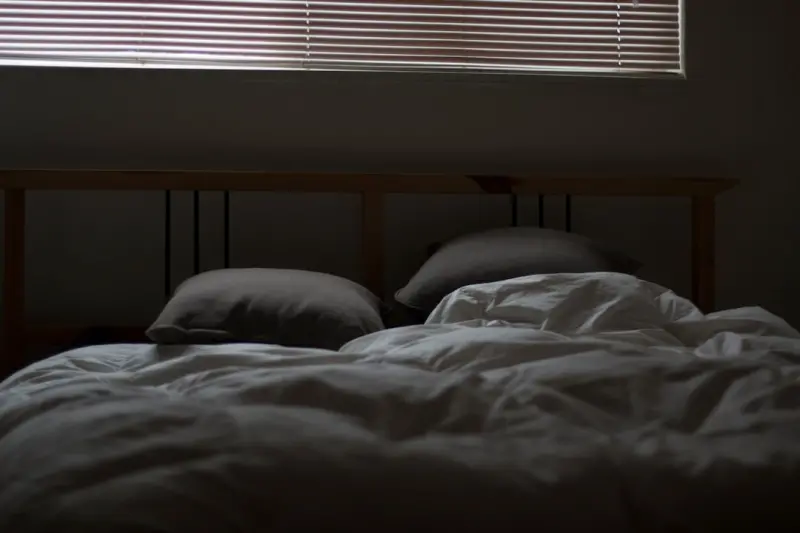
Ever wake up with your heart pounding, a lingering scream echoing in the dark, and an unshakable feeling that something unseen just brushed past you? That’s the raw, unsettling reality of sleep terrors. They’re not just “bad dreams” – they’re full‑blown nocturnal episodes that hijack the brain’s alarm system, leave us drenched in sweat, and can make the sunrise feel like an after‑thought. In this post, I’m pulling back the curtain on why these night‑time hijackings happen, how culture has turned them into folklore monsters, and, most importantly, what you can actually do—today—to reclaim peace in the dark.
What Exactly Are Sleep Terrors?
Sleep terrors, also known as night terrors or pavor nocturnus, are intense episodes of fear that typically strike during the first third of the night, when we’re in deep non‑REM (slow‑wave) sleep. Unlike nightmares, which happen during REM sleep and are vivid stories you can often recall, sleep terrors manifest as a sudden, almost primal surge of terror that can include:
- Heart‑racing pulse that feels like it could burst through your chest.
- Sweat-soaked sheets that cling to you as you sit up, eyes wide, often with no memory of why.
- Physical thrashing or a frantic attempt to flee the room, even though you’re still in bed.
- Automatic vocalizations ranging from guttural growls to high‑pitched screams.
These episodes can last from a few seconds to several minutes, and the person experiencing them is usually difficult to fully awaken or console. For observers, it can look like a scene out of a horror movie—except it’s happening in the bedroom next door.
The Neurobiology Behind Nighttime Fear
To understand why sleep terrors happen, we need to peek into the brain’s night‑shift operations. During deep sleep, the thalamus (the brain’s sensory relay hub) and the amygdala (our emotional alarm) are still active, but the prefrontal cortex—the part that rationalizes and calms us—is largely offline. This creates a perfect storm: the body’s physiological fight‑or‑flight machinery can fire, while the logical “this is just a dream” voice is muted.
Recent studies suggest that dysregulation in the hypothalamic‑pituitary‑adrenal (HPA) axis—the system that governs stress hormones like cortisol—can amplify this response. When cortisol spikes at night, it primes the amygdala, making it more likely to interpret even harmless internal cues (like a hiccup) as a threat.
Genetics also play a role. Variants in the COMT gene, which helps break down stress hormones, have been linked to a higher propensity for night terrors. And let’s not forget the impact of sleep architecture: fragmented deep sleep, often caused by alcohol, caffeine, or irregular sleep schedules, can increase the likelihood of these episodes.
Cultural Tales and Modern Misconceptions
Across centuries, cultures have spun elaborate myths to explain the unexplainable. From the “Old Hag” of Newfoundland to the “Mara” that sits on sleepers’ chests in Scandinavian folklore, the human brain has always sought a narrative for the inexplicable dread of the night.
In today’s digital age, these myths have mutated into viral TikTok challenges and “sleep paralysis” videos that sensationalize the experience. While these stories can be entertaining, they often blur the line between genuine neurophysiological events and dramatized horror. The result? A surge in people who think they’re being haunted, when in reality their brain is simply over‑reacting to a mis‑fired alarm.
One dangerous misconception is that sleep terrors are purely “psychological” and can be “won’t happen if you think positive thoughts.” The truth is that the brain’s alarm system operates on a biochemical level that isn’t swayed by affirmations alone. That’s why a multifaceted approach—addressing lifestyle, environment, and even the gut–brain axis—is essential.
From Trauma to Nighttime Echoes: Why the Past Haunts Our Sleep
Trauma is a silent architect of many sleep disturbances, and sleep terrors are no exception. When the brain encodes a traumatic memory, it often tags it with heightened emotional weight. During deep sleep, the brain runs a “re‑play” function, sorting through the day’s data and integrating memories. For trauma survivors, this replay can become a distorted echo, turning into a full‑blown terror response.
Research shows that individuals with a history of childhood adversity are up to three times more likely to experience night terrors as adults. The stress‑response circuitry—particularly the amygdala and the hippocampus—remains on high alert, ready to trigger a fight‑or‑flight response at the slightest cue.
If you recognize this pattern in yourself, consider integrating grounding practices before bed. Simple techniques—like the 5‑4‑3‑2‑1 sensory exercise (identify five things you see, four you feel, etc.)—can help bring the nervous system back into the present, reducing the “re‑enactment” of past threats during sleep.
Practical Toolkit: Grounding, Light, and Lifestyle Tweaks
Below is a no‑fluff checklist of evidence‑backed actions you can start tonight to calm the nocturnal alarm system.
- Consistent Sleep Window: Aim for the same bedtime and wake‑time daily, even on weekends. Consistency stabilizes the HPA axis and reduces deep‑sleep fragmentation.
- Temperature Regulation: Keep bedroom temperature between 60‑67°F (15‑19°C). A cooler environment supports deeper, more stable slow‑wave sleep.
- Limit Stimulants After Noon: Cut caffeine, nicotine, and high‑sugar snacks at least six hours before bedtime. These can spike cortisol and interfere with sleep architecture.
- Evening Wind‑Down Ritual: Engage in a low‑light activity—reading a paper book, gentle stretching, or a short meditation—no screens.
- Breathing Reset: Try the 4‑7‑8 technique: inhale for 4 seconds, hold for 7, exhale for 8. It activates the parasympathetic nervous system, lowering heart rate.
- Magnesium Boost: A 200‑400 mg magnesium supplement or magnesium‑rich foods (pumpkin seeds, leafy greens) can improve sleep quality by supporting GABA activity.
- Mindful Daytime Movement: Light to moderate exercise—like a 20‑minute walk—helps regulate circadian rhythms, but avoid intense workouts within two hours of bedtime.
These aren’t magical fixes, but they create a fertile environment for the brain to “sleep safely,” reducing the chance that the alarm system will misfire.
Tech & Tools: When Gadgets Meet the Night
We live in a world where tech is both a sleep saboteur and a potential ally. Wearable sleep trackers can flag patterns—like frequent awakenings after deep‑sleep phases—that correlate with night terrors. Armed with that data, you can experiment with timing adjustments (e.g., shifting your bedtime by 15 minutes) and see measurable improvement.
On the other side, cold exposure—think a brief cold shower or a 2‑minute ice bath before bed—has been shown to reduce sympathetic nervous system activity and promote a calmer transition into deep sleep. Start modestly; a splash of cool water on the wrists can be enough to trigger a mild vagal response without shocking the system.
If you’re a data‑driven dreamer, consider a brain workout in the afternoon: puzzle apps, language learning, or even a short session of mindful journaling. By giving the brain a structured challenge earlier in the day, you may reduce the “idle time” that can lead to nocturnal over‑activation.
When to Seek Professional Help
While lifestyle tweaks help many, some cases of sleep terrors persist despite best efforts. Consider reaching out to a specialist if you notice any of the following:
- Episodes occur more than three times a week for a month or longer.
- Family members report you’re inconsolable or physically aggressive during an event.
- You experience daytime anxiety, mood swings, or memory gaps that seem linked to nighttime events.
- There’s a history of trauma, PTSD, or other mental health diagnoses that remain untreated.
Sleep medicine physicians can conduct a polysomnography (sleep study) to rule out underlying conditions like sleep apnea, which can exacerbate terror episodes. Cognitive‑behavioral therapy for insomnia (CBT‑I) and trauma‑focused therapies (EMDR, somatic experiencing) have also shown promise in reducing night terrors by addressing the root emotional triggers.
Putting It All Together: A Nighttime Blueprint
Here’s a concise, step‑by‑step nightly plan you can try for the next two weeks:
- 6 PM – Light Dinner: Focus on lean protein, leafy greens, and a magnesium‑rich side.
- 7 PM – Screen Curfew: Turn off all blue‑light devices; swap for a paperback or a calming playlist.
- 7:30 PM – Gentle Movement: 15‑minute yoga flow or a leisurely walk.
- 8 PM – Cold Exposure: A quick cool splash on the face and wrists (or a 2‑minute cold shower).
- 8:15 PM – Grounding Ritual: 5‑4‑3‑2‑1 exercise followed by 4‑7‑8 breathing for three rounds.
- 8:30 PM – Bedroom Prep: Dim lights, set thermostat to ~65°F, and ensure the space is clutter‑free.
- 9 PM – Bedtime: Slip under the covers, place a soft night‑light if total darkness feels unsettling, and let the body drift.
Track your experience in a simple journal: note the date, any terror episodes, and any adjustments you made. Over time, you’ll see patterns emerge that pinpoint what works best for you.
Sleep terrors can feel like a relentless horror series, but they’re not an immutable fate. By understanding the brain’s alarm system, honoring the influence of trauma, and applying practical, science‑backed strategies, you can rewrite the script of your nights. The goal isn’t to eliminate every shadow—some darkness is simply part of the natural sleep cycle—but to ensure you wake up feeling rested, not rattled.

Becky Putman is an Ottawa-based freelance writer and marketing professional with a passion for storytelling, animals, and community involvement. She enjoys creating engaging content that informs, inspires, and connects with readers.
Related Posts
Rewriting the Night: Harnessing Storytelling to Calm Sleep Terrors
Sleep terrors feel like night‑time invasions, but you can rewrite the script. Learn how storytelli... Read More
When Nightmares Teach Us to Lead: Harnessing Sleep Terrors for Emotional Mastery
Nightmares are more than unsettling dreams; they’re a subconscious audit of stress, trauma, and cr... Read More

When Sleep Terrors Whisper: Turning Nighttime Chaos into Daytime Clarity
Sleep terrors are more than frightening night episodes—they’re clues your subconscious offers ab... Read More
Top Posts

Gut Health Unlocked: My Holistic Path to a Happy Microbiome
A personal guide to nurturing your gut through diet, mindful habits, and whole-body detox, revealing how a balanced microbiome fuels overall vitality....Read More

Smart Home Safeguards: A Senior’s Guide to Staying Upright
A practical guide for seniors on using smart lighting, wearables, voice assistants, and other home tech to reduce fall risk, boost confidence, and maintain inde...Read More

Micro‑Shifts for Prediabetes: A Practical Playbook for Everyday Balance
Learn how tiny, sustainable changes—from kitchen tweaks and micro‑movements to sleep hygiene and gut health—can help you reverse prediabetes and maintain ...Read More

Unlocking Systemic Hypertrophy: A Data‑Driven Playbook for Sustainable Muscle Gain
Discover a holistic approach to muscle gain that blends circadian rhythms, biofeedback wearables, neuro‑muscular coordination, and precision nutrition into a ...Read More
0 Comments
Post Comment
You will need to Login or Register to comment on this post!