
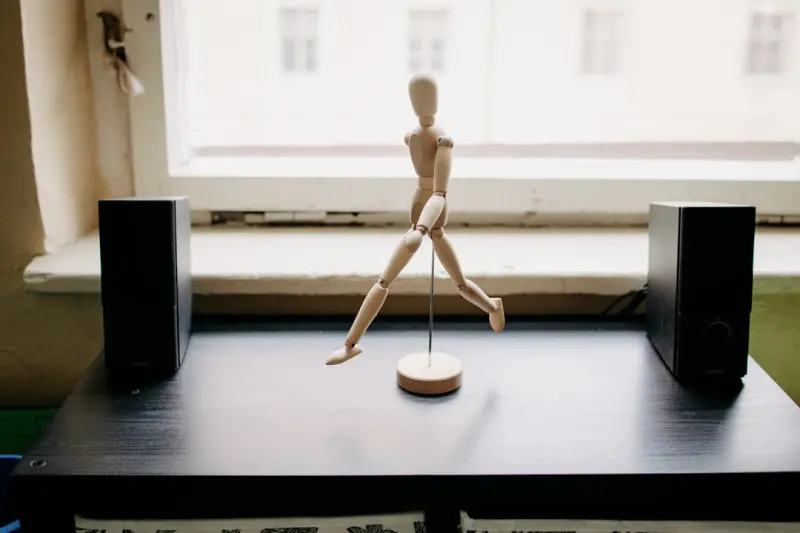
Why Sitting Has Become the New Smoking
When I first started my freelance design career, I loved the freedom of working from cafés, co‑working spaces, and the occasional couch‑surfing office. The downside? Hours slipped by glued to a screen, and my back began to feel like a pretzel. I wasn’t alone—research shows that the average office worker spends over eight hours seated each day. The problem isn’t just the hours; it’s the quality of that sitting. Prolonged static postures compress the spine, weaken core muscles, and trigger a cascade of metabolic slowdown that can lead to everything from weight gain to chronic inflammation.
Enter Tiny Movement Bursts
Instead of waiting for the weekend to “reset,” I started experimenting with tiny movement bursts—short, intentional nudges that interrupt the sedentary loop. Think of them as the health equivalent of a coffee break: brief, refreshing, and surprisingly powerful. Over the past year, I’ve woven these bursts into my daily rhythm, and the results have been nothing short of transformative.
The Science Behind the Nudge
Our bodies are wired for motion. Muscles contract and release, blood circulates, and the nervous system constantly calibrates our equilibrium. When we sit for too long, that natural rhythm stalls. A 2015 study published in JAMA Internal Medicine found that breaking up sitting time every 30 minutes with just 2 minutes of light activity can lower post‑prandial glucose spikes by up to 30 %.
Beyond the metabolic benefits, movement bursts stimulate the release of brain‑derived neurotrophic factor (BDNF), a protein that supports neuron growth and improves focus. That’s why you might notice a sudden clarity after a quick stretch or a few steps to the kitchen.
How to Build Tiny Movement Bursts Into Your Day
Below is a practical playbook that I’ve refined. Feel free to remix it to fit your workflow, office layout, or personal preferences.
- Desk‑Anchor Stretches (1 minute): While waiting for a file to render, raise your arms overhead, interlace your fingers, and gently lean side‑to‑side. This opens the thoracic spine and relieves shoulder tension.
- Micro‑Walks (2 minutes): Set a timer for every 45 minutes. Stand, and walk to the far end of the office or around the perimeter of your home. A quick lap resets circulation and gives your eyes a break from screen glare.
- Chair‑Free Repositions (30 seconds): Alternate between a standard chair, a stability ball, or a standing desk. Changing the support surface forces subtle core engagement.
- Breathing Reset (45 seconds): Inhale deeply through the nose for a count of four, hold for two, then exhale through the mouth for six. Pair this with a gentle neck roll to release tension.
- Functional Mini‑Tasks (1 minute): Use a quick movement break to do a household chore—fold a towel, water a plant, or load the dishwasher. The act of moving beyond your workspace also signals a mental shift.
Technology as an Ally, Not a Distraction
Paradoxically, the very devices that keep us glued to the screen can also remind us to move. I’ve set up a streamlined tech habit that triggers a gentle vibration every 30 minutes, prompting a movement burst. The key is to keep the notification minimal—no flashy pop‑ups, just a subtle nudge that respects your focus.
Another tool I adore is a smart desk pad that tracks your weight distribution. When it senses you’ve been static for too long, it lights up in a soothing hue, reminding you to shift. These subtle cues turn the office into a responsive environment that supports your well‑being without demanding constant attention.
Pairing Movement with Mental Reset
Movement isn’t just physical; it’s an opportunity for mental recalibration. I love combining a short walk with a short restorative pause where I close my eyes, listen to ambient sounds, and mentally rehearse my top three priorities for the day. This dual‑action—body in motion, mind in focus—creates a feedback loop that boosts productivity while safeguarding mental health.
Designing Your Personal Movement Palette
Every professional has a unique rhythm. Some thrive on frequent, brief bursts; others prefer longer, less frequent sessions. Here’s how to discover what works for you:
- Track Your Baseline: For a week, log every time you naturally stand, stretch, or move. Note the duration and how you felt afterward.
- Identify Peaks and Valleys: Notice when energy dips—mid‑morning, post‑lunch, late afternoon? Schedule movement bursts during these troughs.
- Experiment with Modalities: Try a standing yoga pose, a set of wall push‑ups, or a quick dance to a favorite song. Variety prevents boredom.
- Iterate: After two weeks, review your log. Which bursts left you feeling refreshed? Adjust timing or duration accordingly.
From Desk to Community: Sharing the Momentum
When I introduced tiny movement bursts to my small design team, the effect rippled beyond individual health. We instituted “movement minutes” at the start of meetings, turning what could be a sedentary slog into a collaborative warm‑up. The result? Higher engagement, fewer “Zoom fatigue” complaints, and a subtle shift in office culture toward valuing body‑centric wellbeing.
If you’re part of a larger organization, championing this approach can be as simple as creating a shared calendar event titled “Micro‑Movement Reset.” Encourage colleagues to set a shared timer, and celebrate the collective steps taken each week.
Overcoming Common Barriers
Implementing any new habit inevitably meets resistance. Below are the most frequent objections and how to neutralize them:
- “I don’t have time.” – Remember, each burst is under two minutes. Over an eight‑hour day, you’ll spend less than ten minutes total, a tiny investment for a massive return.
- “It feels awkward in front of coworkers.” – Normalize the practice by leading by example. When others see you moving confidently, they’ll be more inclined to join.
- “I’m too stiff to move.” – Start with the gentlest motions—neck rolls, shoulder shrugs, ankle circles. Mobility improves with consistency.
- “My workspace is cramped.” – Even a seated leg extension or seated torso twist can re‑activate muscles without needing extra floor space.
Measuring Success Beyond the Scale
Weight is an outdated metric for evaluating the impact of movement bursts. Instead, track these indicators:
- Energy Levels: Rate your alertness before and after each burst on a 1‑10 scale.
- Focus Duration: Note how long you can concentrate without feeling mental fog.
- Physical Comfort: Log any reductions in back or neck pain.
- Creativity Sparks: Jot down any ideas that surface during or after a burst.
After a month of diligent practice, many of my peers reported a 20 % increase in self‑rated focus and a noticeable decline in afternoon slump.
Future‑Proofing Your Health Routine
As workplaces continue to evolve—hybrid models, remote hubs, and AI‑driven task management—the core challenge remains: keeping the body in motion amidst a sea of screens. Tiny movement bursts are a future‑proof strategy because they’re adaptable, low‑cost, and technology‑agnostic.
When the next wave of digital tools arrives, ask yourself: How will this tool prompt me to move? If the answer is “not at all,” consider integrating a gentle reminder or designing a short physical interaction into the workflow.
Final Thought: Small Moves, Big Impact
In a world that glorifies hustle, the quiet act of standing up, stretching, or taking a brief walk can feel revolutionary. Yet it is precisely this subtle defiance of sedentary norms that empowers us to thrive—physically, mentally, and creatively. So, set that timer, roll those shoulders, and let your desk become a launchpad for movement, not a prison.

Nikki McDonald is a freelancer based in Waterloo. She brings her skills and expertise to various projects, balancing her professional work with a personal life that includes her husband, Stewart.
Related Posts
The Gut‑Brain Edge: How Microbiome Mastery Boosts Mental Performance
Discover how a diverse microbiome, timed nutrition, and gut‑friendly stress management can transfo... Read More

The Secret Power of Forest Bathing: A Simple Path to Better Health and Performance
Forest bathing (shinrin‑yoku) offers measurable health benefits—from lower cortisol to stronger ... Read More
Screen Sabbatical: How Unplugging Powers Your Health
A deep dive into the health benefits of stepping away from screens, with actionable steps to create ... Read More
Top Posts
Narcolepsy as a Catalyst for Unconventional Creativity
Discover how the spontaneous REM bursts of narcolepsy can fuel innovative thinking, and learn actionable strategies to capture and apply these creative sparks i...Read More

The Silent Partner: How Your Phone Fuels Insomnia and What to Do About It
Becky Putman reveals how the glow of our devices fuels insomnia, offering actionable tips—from blue‑light settings to tech‑free zones—to reclaim restful...Read More

Habit Stacking for Prediabetes: Tiny Wins, Big Gains
Learn a practical habit‑stacking framework that uses micro‑movements, nutrition tweaks, and stress‑reset rituals to lower blood sugar and reverse prediabe...Read More

A Fresh Blueprint for Naturally Balancing Blood Sugar
Learn a practical, seven‑day plan that blends meal timing, strategic food combos, micro‑movement, and mindful breathing to naturally stabilize blood sugar a...Read More
0 Comments
Post Comment
You will need to Login or Register to comment on this post!