
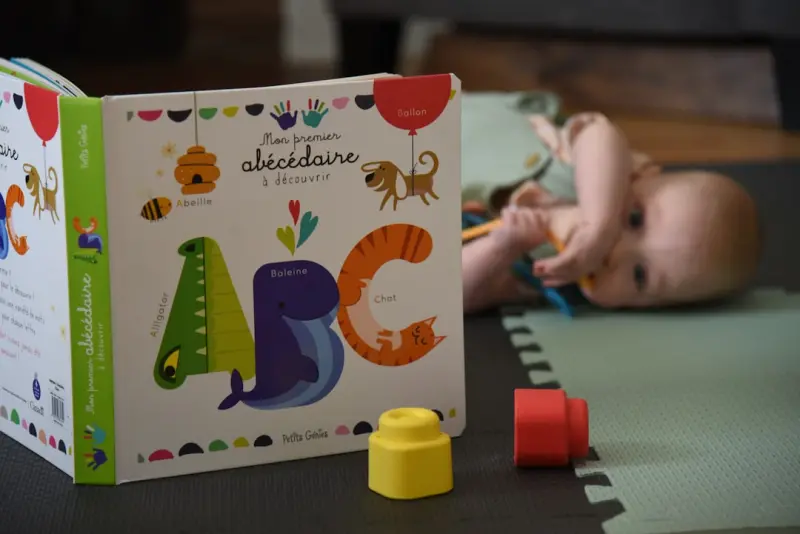
When I first cradled my newborn, I was overwhelmed by the sheer intensity of that tiny, heartbeat‑fast pulse. It felt like the whole world had shrunk into the span of a palm, and every breath I took seemed to echo in that small, fragile universe. As a parent, you quickly learn that infant health isn’t just about vaccinations, nutrition, or sleep schedules—though those are undeniably crucial. It’s also about the invisible wiring that’s happening in those first months, the way synapses fire, and how the brain’s architecture is sculpted by the very moments you share.
The Science of Play: More Than Just Giggles
Play is often dismissed as a frivolous pastime, a cute filler between diaper changes. In reality, play is the primary driver of neural connectivity in infants. Researchers have shown that every time a baby reaches for a toy, watches a face, or listens to a lullaby, they are strengthening pathways that will later support language, problem‑solving, and emotional regulation. This isn’t a new idea, but the depth of the research is astonishing. The brain of a six‑month‑old contains more synapses than an adult’s—over a trillion connections—yet without purposeful stimulation many of those connections are pruned away.
Think of the infant brain as a sprawling city under construction. Roads (neural pathways) are laid down faster than any crew could build, but the city only thrives when those roads are used. Play is the traffic that keeps those routes busy, ensuring that they are reinforced rather than abandoned.
Why Everyday Interactions Matter More Than Fancy Toys
One of the biggest misconceptions in infant health circles is that you need high‑tech gadgets or expensive, “smart” toys to boost development. The truth is that the simplest interactions—a gentle forehead massage, a game of peek‑a‑boo, or a rhythmic chant—are often the most potent. When you sing a lullaby, you’re not just soothing a crying baby; you’re exposing them to pitch, rhythm, and language patterns that lay the groundwork for future speech.
Here are three everyday moments that double as neuro‑developmental powerhouses:
- Eye Contact. Holding your baby’s gaze for just a few seconds triggers the release of oxytocin, strengthening the bond and sharpening visual processing.
- Responsive Touch. A light, responsive touch on the arm or back sends signals through the somatosensory cortex, fostering body awareness and fine‑motor coordination.
- Vocal Mimicry. Imitating the coos and babbles your infant makes teaches them the rhythm of conversation, laying the foundation for turn‑taking in later dialogues.
Building a Play‑Centric Routine
Creating a play‑centric routine doesn’t require a massive time commitment; it merely calls for intentionality. Below is a flexible, day‑long framework that can be adjusted to fit any family’s schedule.
- Morning Warm‑Up (5‑10 minutes). As soon as your baby wakes, sit up together and do a “hello” chant. Use a high‑pitched voice, point to yourself, then to the baby, and repeat. This reinforces name recognition and auditory discrimination.
- Mid‑Morning Exploration (15 minutes). Lay a soft blanket on the floor and introduce a single textured object—like a crinkly fabric or a smooth wooden block. Encourage the baby to explore with both hands, describing the texture out loud.
- Afternoon Sensory Play (10‑20 minutes). Rotate between a brief massage, a gentle foot‑tapping rhythm, and a short game of “pat‑a‑cake.” Each activity activates different sensory pathways, from tactile to auditory.
- Evening Wind‑Down (5‑10 minutes). Dim the lights, turn on soft instrumental music, and engage in a slow, rhythmic rocking while whispering a story. This not only calms the nervous system but also builds auditory memory.
By integrating these micro‑sessions, you’re essentially turning each day into a series of mini‑brain‑boosting workshops.
Leveraging the Home Environment as a Learning Lab
Our homes are saturated with potential learning tools—if you know where to look. A kitchen counter becomes a texture table, a hallway can serve as a safe crawling track, and a window sill can be a natural light‑play zone. The key is to rotate stimuli so the baby’s brain receives fresh input regularly.
Here’s a quick checklist to turn ordinary spaces into developmental hotspots:
- Contrast Boards. Black‑and‑white patterns are easier for newborns to focus on. Hang a simple contrast board near the crib.
- Nature Views. A window that looks out onto a garden or tree line offers dynamic visual input—moving leaves, birds, and shifting light.
- Safe Mirrors. Babies love looking at reflections. A baby‑safe mirror placed at floor level encourages self‑recognition and facial expression tracking.
Connecting Play to the Infant Microbiome (Without Over‑Complicating)
While we’re not diving into a full microbiome deep‑dive—because that topic already has its own dedicated post—you might be curious how a playful environment intersects with gut health. The simple truth is that microbiome strategies such as skin‑to‑skin contact, varied textures, and exposure to natural scents can subtly influence the bacterial colonies that colonize a baby’s gut. The act of holding, cuddling, and even the gentle breezes from a garden walk introduce diverse microbial signatures that help train the immune system.
Technology and Play: Finding a Balanced Sweet Spot
In a world saturated with screens, it’s tempting to lean on digital devices for “educational” content. However, the most impactful play remains human‑centered. That said, technology can be a supportive adjunct when used wisely. For instance, data‑driven physiotherapy platforms now offer guided infant movement sessions that parents can follow along with, ensuring safe posture and encouraging motor skill progression.
Another emerging tool is wearable health monitoring for infants. While still in its infancy (pun intended), these devices can track heart rate variability during play, giving parents insight into how engaging activities influence stress and recovery.
Remember: technology should augment—not replace—the intimate, tactile, and responsive connections that define early life.
Play as a Bridge to Emotional Resilience
Emotional health often feels intangible in the infant stage, yet it’s being forged in those moments of shared joy and surprise. When a baby giggles at a silly face or feels comforted by a parent’s reassuring tone, they’re learning the basics of emotional regulation. This early emotional scaffolding translates into better stress coping, reduced anxiety, and stronger social bonds later in life.
Here are three ways to embed emotional learning into play:
- Label Feelings. Even if your baby can’t speak yet, saying “You’re happy!” or “That’s a surprised face” helps them associate facial expressions with emotions.
- Responsive Turn‑Taking. Pause after a coo, wait for a response, then mirror it. This teaches the rhythm of conversation.
- Safe Exploration. Allow brief moments of “controlled frustration” (e.g., a toy that’s just out of reach) and comfort the baby promptly. This teaches that challenges are manageable with support.
Common Pitfalls and How to Avoid Them
Even the most well‑intentioned parents can fall into traps that blunt the power of play. Here are the top three and quick fixes:
- Over‑Scripting. Trying to follow a rigid “developmental curriculum” can make play feel like a chore. Instead, follow the baby’s cues—if they’re fussy, switch to a calmer activity.
- Screen Overload. A few minutes of a baby‑focused video might be okay, but prolonged exposure crowds out the vital human interaction that fuels brain growth.
- Neglecting Rest. Play is essential, but so is sleep. Over‑stimulating a tired infant can lead to meltdowns and diminished learning.
Measuring Progress Without Obsessing Over Milestones
Traditional checklists (rolling over at four months, sitting at six) have their place, but they don’t capture the richness of a baby’s development. Instead, consider qualitative markers:
- Eye Tracking. Does your baby follow a moving object smoothly?
- Vocal Experimentation. Are they varying sounds—coos, gurgles, early babbles?
- Physical Curiosity. Do they reach for items beyond arm’s length, showing a desire to explore?
If you notice a consistent lack of engagement in these areas, a brief conversation with a pediatrician or a developmental specialist can provide reassurance and guidance.
Stories from Real Parents: Play That Changed the Game
To illustrate the transformative power of play, here are two brief anecdotes from families who incorporated intentional play into their routines.
Story 1 – The “Rhythm Rumble”. Maya, a mother of a nine‑month‑old, started a daily “rhythm rumble” where she clapped a simple beat and encouraged her baby to tap a soft drum. Within weeks, the baby began anticipating the beat and showed improved hand‑eye coordination, later translating into earlier crawling milestones.
Story 2 – The “Story Shadow”. Carlos introduced a nightly “story shadow” ritual: he used a small flashlight to cast gentle silhouettes on the wall while narrating a short tale. The baby’s visual tracking sharpened, and by the next month, he was pointing to shapes and showing early sign‑language attempts.
Both families credit the consistency and emotional connection of these practices for the visible progress.
Putting It All Together: A Play‑First Philosophy
When you view every interaction as an opportunity for brain‑building, the line between “parent duty” and “playtime” blurs—beautifully. The ultimate takeaway is simple: make intentional, varied, and loving play the centerpiece of your infant’s day. It’s a philosophy that doesn’t demand extra time; it only asks for presence.
Here’s a concise checklist to keep on your fridge or phone:
- Make eye contact for at least 30 seconds each day.
- Introduce one new texture weekly.
- Sing or chant a short lullaby at each feeding.
- Rotate a simple “game” (peek‑a‑boo, gentle massage, mirror play) every two days.
- Take a brief outdoor walk, letting the baby feel the breeze and hear natural sounds.
Even if you miss a day, the brain’s plasticity means you can pick up right where you left off. The journey is not a sprint; it’s a marathon of tiny, joyful steps.
Final Thoughts: Embrace the Messiness
Infant health is a tapestry woven from countless threads—nutrition, sleep, safety, and, as we’ve explored, play. It can feel overwhelming to balance them all, but remember that each smile, each coo, each shared moment is a stitch in that tapestry. By honoring play as a cornerstone of development, you’re gifting your child a resilient brain, a secure attachment, and a lifelong love of learning.
So the next time you’re tempted to rush through a diaper change or scroll past a baby‑focused app, pause. Pick up a soft toy, make a funny face, and let the magic of play do what science tells us it does best: build a thriving, healthy mind—one giggle at a time.

Tammy French is a Montessori Teaching Assistant and freelance writer passionate about education, creativity, and inspiring lifelong learning through engaging content.
Related Posts

Data‑Driven Parenting: Harnessing Baby Wearables for Healthier Infants
This article delves into the rise of baby wearables, explaining key metrics they track, how to choos... Read More

How Babywearing Shapes Your Infant’s Health and Connection
Babywearing offers a powerful, science‑backed way to boost an infant’s sleep, immune system, mot... Read More

Nurturing Infant Wellness: Light, Sound, and Touch as Growth Catalysts
Discover practical, evidence‑based ways to enhance your baby’s health through mindful lighting, ... Read More
Top Posts

Micro‑Creative Rituals: Tiny Daily Practices That Supercharge Your Brain
Micro‑creative rituals—simple, daily acts like doodling or humming—activate the brain’s reward system and strengthen neural pathways, offering a practic...Read More

Listening to Your Gut for Real Wellness
A personal guide to recognizing and responding to the gut’s daily messages, offering simple habits that boost digestion, energy, and emotional balance....Read More
Smart Health Insurance: Turning Benefits into a Competitive Advantage
Smart health insurance leverages AI, telehealth, and data transparency to shift benefits from a cost center to a strategic advantage, driving healthier workforc...Read More

Finding Purpose After Retirement: How Volunteering, Mentorship, and Lifelong Learning Boost Senior Health
Explore the powerful link between purpose and senior health. From volunteer work to intergenerational mentorship and lifelong learning, this guide offers action...Read More
0 Comments
Post Comment
You will need to Login or Register to comment on this post!