
When Your Body Sends a Silent Alarm: Wearables Meet Autoimmune Insight
Imagine waking up to a gentle vibration on your wrist, not because you missed a meeting, but because your body is whispering that a flare is on the horizon. For many living with autoimmune conditions, the unpredictability of flare‑ups feels like a hidden storm—one that can strike without warning, derailing work, relationships, and personal goals. Over the past few years, a quiet revolution has been gathering momentum: the marriage of wearable technology with the nuanced world of immunology. This isn’t hype; it’s a practical, data‑driven shift that’s turning the vague “I feel off” into a concrete, actionable insight.
Why Traditional Tracking Falls Short
Historically, patients have relied on symptom journals, sporadic lab tests, and gut‑feeling to manage their disease. While these tools provide snapshots, they miss the continuous, subtle physiological shifts that precede a full‑blown flare. A single blood draw may capture elevated markers after the immune system has already gone rogue, leaving you reacting rather than preventing.
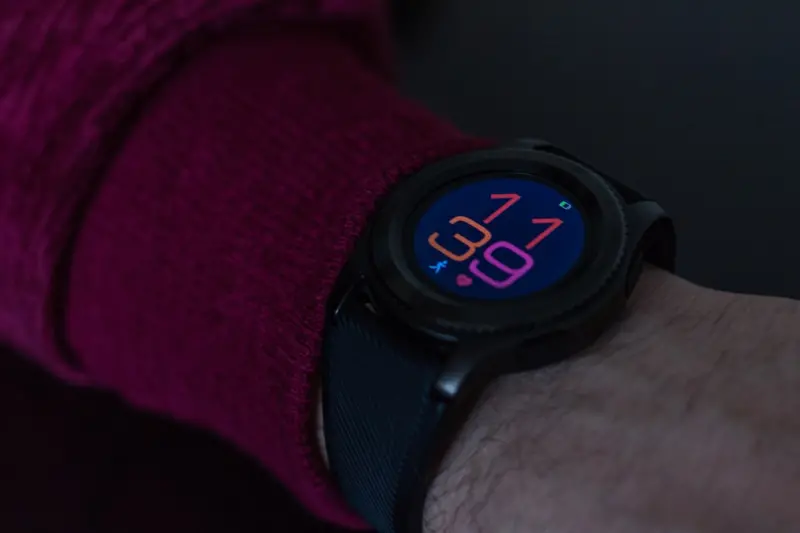
Enter continuous monitoring. Modern wearables can track heart rate variability (HRV), skin temperature, sleep architecture, and even galvanic skin response—all of which are early indicators of autonomic nervous system stress. When aggregated over days or weeks, these micro‑changes form a pattern that can be decoded into a predictive model.
The Science Behind the Sensors
Autoimmune diseases are, at their core, dysregulated immune responses. This dysregulation often manifests as:
- Altered autonomic tone: A decrease in HRV can signal heightened sympathetic activity, a common precursor to inflammation.
- Temperature fluctuations: Subtle rises in peripheral skin temperature can precede cytokine surges.
- Sleep disturbances: Fragmented REM cycles have been linked to increased pro‑inflammatory markers.
Wearables equipped with photoplethysmography (PPG), infrared thermometers, and accelerometers can capture these signals 24/7. Advanced algorithms then sift through the noise, isolating the patterns that matter.
From Raw Data to Personal Forecasts
The magic happens when raw sensor data meets machine learning. Companies are training models on thousands of anonymized user profiles, teaching the system to recognize the unique “signature” of an upcoming flare for each individual. The result is a personalized forecast that can alert you a few days in advance, giving you the chance to adjust:
- Reduce intense physical activity.
- Implement anti‑inflammatory meals.
- Increase rest and stress‑reduction practices.
It’s akin to having a weather radar for your immune system.
Integrating Wearable Insights with Everyday Life
Data is only as good as the actions it inspires. Here are three practical ways to weave wearable alerts into your routine:
- Digital Journaling: When your device flags a potential flare, open a quick note on your phone. Record diet, stressors, and mood. Over time, you’ll build a rich narrative that complements the sensor data. For a deeper dive into the synergy between journaling and autoimmunity, check out AI‑Powered Journaling: Taming the Autoimmune Storm.
- Targeted Nutrition: Certain foods—omega‑3 rich fish, turmeric, and fermented vegetables—have documented anti‑inflammatory effects. Use the alert window to prioritize these meals, perhaps even prepping them in advance.
- Mind‑Body Reset: A short, guided breathing session or a 10‑minute meditation can recalibrate the autonomic nervous system. For a structured approach, explore the sensory reset protocol that blends breath, movement, and environment.
Case Study: Maya’s Journey from Reactive to Proactive
Maya, a 34‑year‑old graphic designer diagnosed with systemic lupus erythematosus, struggled with unpredictable flare cycles that forced her to cancel client deadlines. After adopting a wrist‑worn sensor that tracked HRV, sleep stages, and skin temperature, she began receiving “early‑warning” notifications.
Within three months, Maya noticed a pattern: a dip in HRV combined with a slight rise in nighttime skin temperature preceded her flares by 48‑72 hours. Armed with this knowledge, she started:
- Scaling back on tight‑deadline projects during alert windows.
- Increasing her intake of anti‑oxidant‑rich berries.
- Scheduling a short yoga session in the evening to boost parasympathetic tone.
The outcome? A 40% reduction in flare frequency and a newfound confidence in managing her workload without constant fear of a sudden shutdown.
Addressing Common Concerns
“Will I become obsessed with numbers?” – Any tool can become a crutch if used obsessively. The goal is to treat alerts as nudges, not verdicts. Set thresholds that feel comfortable and remember that occasional false positives are part of the learning curve.
“What about privacy?” – Reputable wearable brands encrypt data end‑to‑end and offer opt‑out options for data sharing. When collaborating with research institutions, data is typically de‑identified.
“Are wearables accurate enough for clinical decisions?” – While wearables are not a substitute for professional medical advice, they excel as an early‑warning system. Always discuss trends with your rheumatologist or immunologist.
Future Horizons: From Prediction to Prevention
The next frontier lies in closed‑loop systems. Imagine a device that not only predicts a flare but also initiates a therapeutic response—releasing a micro‑dose of an anti‑inflammatory peptide, adjusting ambient lighting to support circadian rhythm, or triggering a calming audio cue. Early pilots in research labs are already exploring these possibilities, hinting at a future where the body’s “storm” can be softened before it fully forms.
Getting Started: Your First Steps
- Choose a reliable wearable: Look for FDA‑cleared devices that provide HRV, temperature, and sleep metrics.
- Set up baseline tracking: Wear the device consistently for at least two weeks to establish your personal norm.
- Integrate with an app that supports alerts: Many platforms let you customize thresholds for HRV drops or temperature spikes.
- Pair with a simple journaling habit: Even a sentence a day can enrich the data story.
- Review patterns with your healthcare provider: Bring the aggregated data to appointments for a more informed discussion.
Conclusion: Empowerment Through Insight
Autoimmune disease has long been a game of chance—waiting for the next flare, hoping the next treatment works. Wearable technology is flipping the script, giving patients a proactive lens into their own physiology. By listening to the subtle signals your body sends, you can make informed choices, reduce the emotional toll of unpredictability, and reclaim the narrative of your health.
It’s not about eliminating flares entirely; it’s about shifting from a reactive stance to a predictive, empowered one. In a world where data is abundant, the real power lies in turning that data into daily, meaningful action.

Related Posts

Data‑Driven Defense: How Wearables and Journaling Predict Autoimmune Flare‑Ups
Discover how combining wearable data with quick symptom journaling creates a predictive map that ale... Read More

Building Autoimmune‑Friendly Workplaces: Strategies for Sustainable Success
A practical guide for leaders to create flexible, supportive, and data‑informed workplaces that em... Read More

Why Food, Sleep, and Data Are the New Triad for Autoimmune Management
Explore a fresh approach to autoimmune health by leveraging nutrition, sleep hygiene, and tech‑dri... Read More
Top Posts

When the Dark Turns Violent: A Fresh Lens on Sleep Terrors
Sleep terrors are a symptom of autonomic imbalance. This article uncovers the underlying mechanisms, links them to chronotype misalignment, and offers a threeâ€...Read More

Redesigning the Workplace for Cancer Warriors
A practical guide for leaders to build cancer‑friendly offices, from flexible scheduling and quiet pods to digital resource hubs, turning compassion into a co...Read More
When Your Immune System Goes Rogue: Reclaiming Control Through Narrative, Breath, and Tiny Resets
Living with an autoimmune condition can feel like an unwanted plot twist. This article shares how framing flare‑ups as chapters, using micro‑moments, breath...Read More

The Unseen Pillars of Men’s Health: Core Strength, Hormone Harmony, and Prevention
A fresh men’s health playbook that moves beyond the gym, covering core and pelvic floor integrity, hormonal harmony, essential preventive screenings, nutritio...Read More
0 Comments
Post Comment
You will need to Login or Register to comment on this post!