

Why the Muscle‑Gain Mindset Needs a Reset
For years I chased the classic “lift heavy, eat big” mantra, only to hit plateaus that felt more mental than muscular. The truth is, growth stalls when we treat our bodies like machines and ignore the brain’s role in signaling hypertrophy. By shifting from a purely quantitative focus to a qualitative mind‑muscle connection, you unlock a hidden reserve of fiber recruitment that traditional programs overlook.
Embracing Micro‑Periodization Over Mega‑Cycles
Most programs brag about 12‑week blocks, but my experiments show that breaking those cycles into 2‑week micro‑phases fuels continual adaptation. Each micro‑phase emphasizes a single variable—tempo, range of motion, or rest interval—so the nervous system stays primed for novelty. The result? Faster strength gains without the burnout that long, monotonous blocks often cause.
Integrating Isometric Holds for Maximum Tension
While dynamic reps dominate gym playlists, static holds create unparalleled time‑under‑tension, prompting muscle fibers to fire in a different pattern. I started adding 10‑second pauses at the midpoint of squats and bench presses, and within weeks the “stuck‑at‑plateau” feeling evaporated. These holds also improve joint stability, making heavier lifts feel safer and more natural.
Leveraging the Power of Progressive Overload with Variable Loads
Traditional progressive overload relies on adding weight each session, but that linear approach can ignore daily fluctuations in energy and recovery. By using a “variable load” system—where you select a weight range (e.g., 70‑80 % of 1RM) and choose the exact load based on how you feel—you stay in the optimal stimulus zone. This flexible method respects your body’s natural rhythms while still pushing the muscles to adapt.
Nutrition Beyond Protein: The Role of Nutrient Density
Protein gets all the applause, yet the quality of the foods surrounding it dictates how efficiently your muscles use those amino acids. I dove into nutrient density research and discovered that micronutrient‑rich vegetables, fermented foods, and high‑quality fats dramatically improve recovery. When you feed your cells with the full spectrum of vitamins and minerals, the anabolic signaling pathways fire brighter and faster.
Microbiome‑Boosting Meals for Muscle Recovery
Gut health isn’t just about digestion; it influences inflammation, hormone balance, and even muscle protein synthesis. By incorporating seasonal microbiome‑boosting meals—think fermented beet kvass, kimchi, and rosemary‑infused quinoa—you create a gut environment that reduces systemic inflammation. Less inflammation means quicker repair, allowing you to train harder and more often.
Sleep Architecture as a Muscle‑Growth Engine
Most lifters aim for eight hours of sleep, but the architecture of those hours matters more than the total count. Deep‑slow wave sleep releases the greatest surge of growth hormone, the key hormone for muscle repair. I’ve begun tracking my sleep stages with a simple wearable and adjusting my bedtime routine—cool room, dim lighting, and a short meditation—to maximize deep sleep, and the gains have been unmistakable.
Strategic Supplement Timing: Not Just What, But When
Supplements can be powerful, but timing them to coincide with your body’s hormonal peaks multiplies their effect. For example, taking a creatine dose right after a workout taps into the post‑exercise insulin spike, driving more creatine into the muscle cells. Similarly, a small amount of fast‑absorbing carbs alongside whey protein can amplify the muscle‑building mTOR pathway within the crucial 30‑minute window.
Putting It All Together: A Weekly Blueprint
My current weekly plan blends all these elements into a cohesive system: two micro‑periodized strength days with isometric holds, one dynamic “playful movement” session for active recovery, three nutrient‑dense meals anchored by microbiome‑friendly sides, and nightly rituals that prioritize deep sleep. By treating muscle gain as an interplay of mindset, training variables, nutrition, and recovery, you create a self‑reinforcing loop where each win fuels the next.

Becky Putman is an Ottawa-based freelance writer and marketing professional with a passion for storytelling, animals, and community involvement. She enjoys creating engaging content that informs, inspires, and connects with readers.
Related Posts
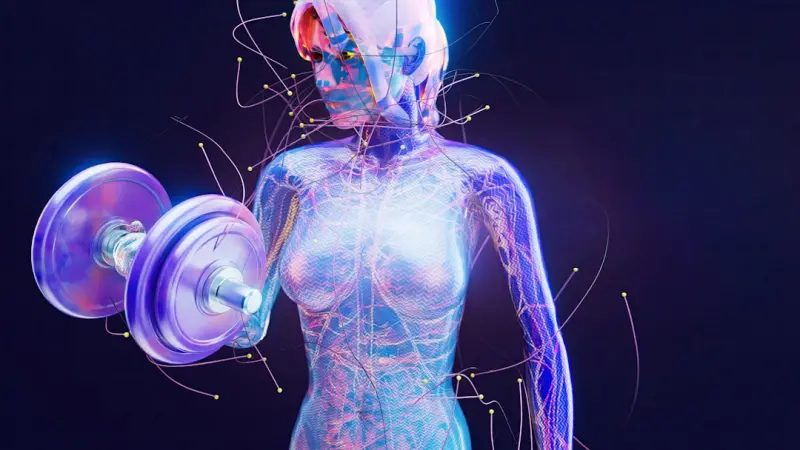
The Hidden Science of Muscle Memory: Building Bigger, Faster
Learn the science behind muscle memory and how to harness neuro‑muscular recruitment, metabolic st... Read More

Building Muscle in a Desk‑Centric World: Practical Hacks for Busy Professionals
A fresh approach to muscle growth for desk‑bound professionals: integrate micro‑sets, smart nutr... Read More

Tempo Mastery: Redefining Muscle Growth Through Lift Speed
Learn why lift speed, pauses, and eccentric control are the missing pieces in your muscle‑building... Read More
Top Posts

Fermentation Fundamentals: Crafting a Resilient Gut from Kitchen to Culture
Learn practical fermentation techniques, the power of soil‑based probiotics, and seasonal pairings to build a resilient gut and enhance mood, skin, and immuni...Read More

Navigating Life with Narcolepsy: A Holistic Approach to Wellness
Living with narcolepsy requires a comprehensive approach to management. Learn how a holistic approach to health can improve overall well-being and reduce the im...Read More

Finding Freedom: A Personal Roadmap to Quit Vaping Without Losing Your Spark
A heartfelt guide that blends breathwork, sensory substitutes, nutrition, and community support to help you quit vaping while rediscovering true calm and vitali...Read More

Playful Aging: Turning Structured Play into a Longevity Super‑Power
Integrating micro‑dance breaks, brain games, and playful meals can trigger neurochemical cascades that improve cognition, metabolism, and stress response—of...Read More
0 Comments
Post Comment
You will need to Login or Register to comment on this post!