
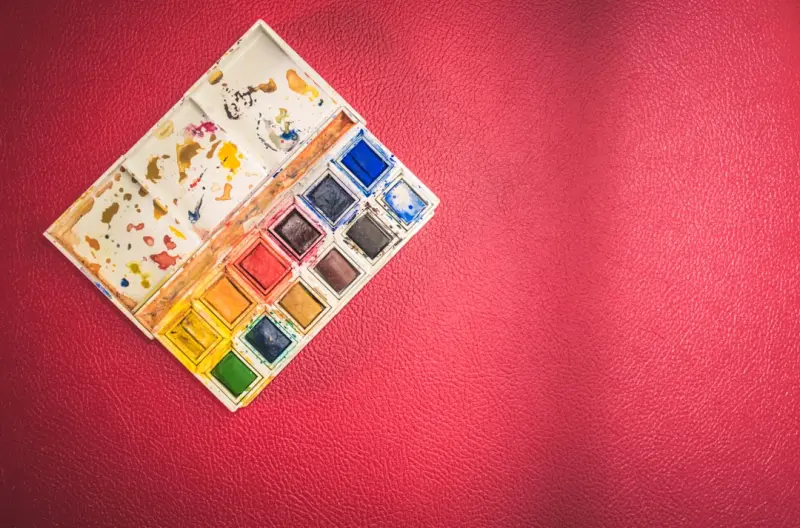
Why Community Matters More Than Ever
When I first encountered the term “eating disorder” in a conference hall, the discussion was dominated by clinical metrics, diagnostic manuals, and pharmacological pathways. Over the years, I’ve watched the conversation shift—slowly, but undeniably—toward the lived experience of those navigating the hidden terrain between food, identity, and belonging.
Community isn’t just a nice‑to‑have add‑on. It’s a structural pillar that can either reinforce harmful narratives or provide a canvas for new, healthier stories. In my own journey as a designer and mental‑health advocate, I’ve seen how shared creative spaces act as a buffer against the isolation that fuels disordered eating.
The Power of Shared Storytelling
Stories are the language we use to make sense of our bodies. When we speak about our relationship with food, we often default to medical jargon—“anorexia nervosa,” “bulimia,” “binge‑eating.” While these terms have diagnostic value, they can also lock us into a rigid identity that feels static and unchangeable.
By contrast, narrative‑based art projects invite participants to re‑author their relationship with food. Imagine a collaborative mural where each brushstroke represents a meal, a memory, or a feeling. As the image evolves, so does the collective understanding that our bodies are not adversaries but collaborators.
Research from community‑based interventions shows that participants who engage in storytelling report a 30% reduction in binge‑frequency and a marked increase in self‑compassion. The mechanism? When we hear another person’s vulnerability, our own shame loosens its grip, creating space for empathy.
Art as a Safe Laboratory
Creativity thrives on experimentation, and that same principle can be harnessed for recovery. In a Digital Triggers in Eating Disorders piece, we explored how algorithms shape our perception of food. Building on that, I’ve found that visual and tactile mediums—painting, sculpting, collage—allow individuals to externalize cravings, fears, and triumphs without the pressure of verbal articulation.
Consider a simple exercise: gather a handful of dried pasta, a set of colored markers, and a sketchpad. Lay the pasta in a line that mirrors a recent meal pattern (e.g., “breakfast, snack, lunch, snack, dinner”). Then, using markers, color each piece based on the emotion attached to that meal. The resulting artwork becomes a non‑judgmental map of emotional eating, a tool you can revisit, re‑color, and ultimately transform.
Building Sustainable Creative Networks
One-off workshops are valuable, but lasting change requires infrastructure:
- Regular Meet‑ups: Monthly “Art & Appetite” circles where participants share creations, discuss triggers, and brainstorm coping strategies.
- Digital Safe‑Spaces: Private forums or Discord channels moderated by mental‑health professionals and peer mentors, offering real‑time support.
- Cross‑Disciplinary Partnerships: Collaborate with nutritionists, yoga instructors, and therapists to integrate body‑positive practices into the creative workflow.
These structures echo the principles outlined in Gut Microbiome for Creatives, where a holistic ecosystem—nurturing both gut health and creative output—produces sustainable performance. Think of your community as an ecosystem, each member a unique microbe contributing to overall resilience.
Practical Steps to Join or Start a Healing Collective
If you’re reading this and wonder how to get involved, here’s a roadmap you can follow today:
- Identify Your Core Interest: Are you drawn to visual arts, writing, music, or movement? Your passion will guide the community’s focus.
- Scout Existing Groups: Search local art studios, wellness centers, or online platforms for groups that mention “recovery,” “body‑positive,” or “mental‑health art.”
- Reach Out with Intent: When contacting organizers, be transparent about your experience with eating disorders and what you hope to contribute.
- Co‑Create Ground Rules: Establish clear boundaries—confidentiality, trigger warnings, and consent protocols—to ensure a safe environment.
- Iterate and Reflect: Schedule quarterly check‑ins to assess what’s working, what isn’t, and how the collective can evolve.
Caution: Avoiding the Pitfalls of Performative Allyship
Well‑meaning individuals sometimes turn community‑building into a résumé‑builder, hosting “one‑off” events that garner social media likes but leave participants feeling exposed and unsupported. To prevent this:
- Prioritize Listening Over Leading: Let members dictate the agenda.
- Ensure Professional Oversight: A licensed therapist’s occasional presence can provide clinical grounding without hijacking the creative flow.
- Measure Impact, Not Aesthetics: Track emotional outcomes (e.g., reduced anxiety scores) rather than just the number of artworks produced.
From Isolation to Collective Resilience
The journey out of an eating disorder is rarely linear. It’s a mosaic of setbacks, breakthroughs, and everyday moments of self‑discovery. By weaving creativity into the fabric of community, we transform isolation into shared resilience.
When we paint our cravings, write our fears, or sculpt our hopes, we are not just creating art—we are drafting a new contract with our bodies, one that honors both nourishment and expression. The next time you feel the pull of an old habit, consider reaching out to a fellow creator, picking up a brush, or joining a circle where the only rule is: your story is valid, and it belongs on the canvas of community.

Lifan Chen is a freelancer based in Toronto specializing in marketing. With expertise in crafting effective marketing strategies and campaigns, Lifan helps businesses grow their brand presence and reach target audiences. As a Toronto-based freelancer, Lifan combines local market insights with creative marketing skills to deliver tailored solutions for clients.
Related Posts

When the Algorithm Eats: How Social Media Fuels Modern Eating Disorders
A deep dive into how algorithmic feeds, diet apps, and online communities shape modern eating disord... Read More
Reclaiming the Senses: Sensory Integration as a Path to Eating Disorder Recovery
A deep dive into sensory integration reveals practical ways to reconnect with food, using vision, ar... Read More

Unmasking the Silent Dialogues That Drive Disordered Eating
A personal look at the unseen conversations that drive restrictive eating, offering fresh strategies... Read More
Top Posts
Nutrition and Chronic Health Conditions: A Holistic Approach to Wellness
A holistic approach to nutrition and chronic health conditions emphasizes the importance of a balanced diet, lifestyle, and stress management in preventing and ...Read More
Creative Pathways: Using Art, Music, and Movement to Heal Eating Disorders
Explore the power of creative expression—painting, cooking, music, and digital storytelling—to reshape your relationship with food and foster lasting recove...Read More

Curiosity as a Shield: Rewiring Burnout with Playful Learning
Learn how integrating short, curiosity‑driven micro‑sessions into your daily routine can reduce burnout, improve mental energy, and transform workplace cult...Read More
The Gut‑Brain Edge: Microbiome Hacks for Sharper Focus and Creative Power at Work
Explore how a thriving microbiome can enhance mental performance, reduce stress, and become a competitive advantage for professionals, with practical habits, wo...Read More
0 Comments
Post Comment
You will need to Login or Register to comment on this post!