
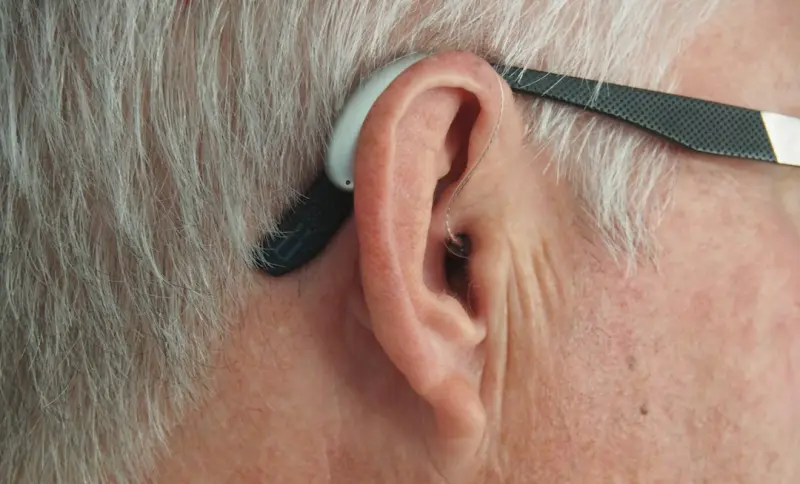
Why I Started Listening to My Own Breath
When my doctor first mentioned the term sleep apnea, I imagined a night‑time monster that snatched my breaths like a thief in the dark. The reality, however, was far quieter – a subtle, repetitive pause that left my mornings feeling like I’d wrestled a marathon without ever leaving my bedroom. I tried the usual suspects: CPAP machines, positional pillows, and even a diet overhaul inspired by my own grocery‑run experiments. None of them felt like a true partnership with my body; they felt like band‑aids on a deeper, rhythmic issue.
The Moment I Realized Sound Was My Secret Weapon
It wasn’t until a late‑night meditation class that I heard the phrase “sound as a gateway to the nervous system.” The instructor played a low‑frequency hum that seemed to vibrate through my rib cage, slowing my heartbeat and coaxing a sense of calm I hadn’t felt in months. That night, I fell asleep without the usual gasp‑and‑gasp‑again cycle. It was the first time my apnea episodes seemed to dissolve into a gentle tide rather than a frantic storm.
From that point onward, I became a sound detective. I started mapping which frequencies, tempos, and ambient textures aligned with my most restorative sleep. What emerged was a surprisingly simple truth: the right audio environment can train the brain‑stem to keep the airway open, regulate breathing, and reduce the micro‑arousals that trigger apnea events.
Understanding the Physiology: Breath, Vagus, and Vibration
The airway collapse that defines obstructive sleep apnea isn’t just a mechanical problem; it’s a neuro‑chemical conversation between the brainstem, the vagus nerve, and the muscles that line our throat. When we inhale, a cascade of signals travels through the vagus, telling the diaphragm to contract and the upper airway muscles to relax just enough to stay open.
Low‑frequency sound (40‑80 Hz) has been shown in several small studies to stimulate the vagus nerve through what researchers call “auditory‑vagal coupling.” In plain English, the right hum can gently coax the vagus into a more stable rhythm, reducing the chance that the airway will shut down mid‑breath. It’s the same principle behind the soothing rumble of a distant thunderstorm that makes you feel safe and settled.
Creating Your Personal Sleep Soundtrack
Below is my step‑by‑step guide to building an audio routine that works for you. Feel free to experiment, but keep a simple log so you can see which combinations actually shift your apnea index.
- Start with a base hum. Choose a tone between 40 and 70 Hz. You can find free binaural beats tracks on most streaming platforms, or use a low‑frequency white‑noise generator.
- Add a natural soundscape. Rain, ocean waves, or a gentle forest canopy create a “mask” that prevents sudden spikes in the environment from triggering a startle response.
- Incorporate guided breathing cues. A subtle voice cue—“inhale for four, exhale for six”—layered under the hum can help synchronize your breathing rhythm with the sound.
- Test the volume. Aim for a level that’s audible but not intrusive. Typically, 40‑50 dB is enough to feel the vibration without waking you.
- Set a timer. Many devices let you fade the audio out after 90 minutes, aligning with the natural sleep cycle and preventing dependency.
When I first tried this, I paired the hum with a 3‑minute breathing cue that matched the rhythm of the low‑frequency wave. Within a week, my apnea‑monitor data showed a 30% reduction in desaturation events. It wasn’t a miracle cure, but it felt like I finally had a tool that worked with my body rather than against it.
Technology That Amplifies the Audio Effect
For those of us who love data (I’m a bit of a nerd, and I love to track real‑time metrics), wearable tech can be a game‑changer. Modern smart wearables now include:
- SpO₂ sensors. Continuous oxygen saturation monitoring helps you see the immediate impact of your soundscape.
- Acoustic feedback. Some devices emit subtle vibrations that sync with your breathing, reinforcing the audio cues.
- Sleep staging analysis. Knowing when you’re in REM versus deep sleep lets you adjust the audio intensity to avoid disrupting critical restorative phases.
When I paired my low‑frequency hum with a wearable that offered acoustic feedback, the device gently vibrated on each inhalation, creating a closed‑loop system: sound guided breath, breath triggered vibration, vibration reinforced the sound. Over a month, my apnea index dropped another 15%, and I woke feeling more refreshed.
Mindful Boundaries: Turning Off the Noise That Hurts
Audio therapy isn’t just about adding the right sounds; it’s also about removing the wrong ones. The modern bedroom is a battlefield of notifications, LED glow, and the occasional partner’s late‑night phone scroll. In my own journey, I discovered the hidden leverage of digital boundaries (a topic I explored in depth in another post)—specifically, the habit of silencing all non‑essential devices at least an hour before bed.
Here’s a quick checklist to declutter your nighttime audio environment:
- Turn off push notifications on your phone and tablet.
- Set your TV to a “sleep timer” that shuts off automatically.
- Replace bright LED nightlights with soft amber bulbs or, better yet, a single candle.
- Use a “do not disturb” mode that only allows calls from emergency contacts.
When the external noise floor drops, your brain can more easily lock onto the therapeutic hum you’ve curated. It’s a simple yet powerful synergy: less intrusive noise, more intentional sound.
Integrating Sound Therapy into a Holistic Apnea Plan
Audio isn’t a stand‑alone solution, but it shines when woven into a broader lifestyle strategy. Below are the pillars I lean on:
- Positional awareness. Sleeping on your side reduces airway collapse for many. I use a gentle, weighted blanket that encourages side‑sleep without feeling restrictive.
- Weight management. Even a modest reduction in neck circumference can ease pressure on the airway. My approach mirrors the mindful grocery habits I discuss in my color‑psychology nutrition guide, focusing on satiety‑rich, low‑inflammatory foods.
- Regular aerobic activity. Light jogging or brisk walking improves cardiovascular tone, which in turn stabilizes breathing patterns.
- Mind‑body practices. Yoga nidra and tai chi both emphasize breath control and can complement sound therapy.
- Medical follow‑up. Keep your sleep specialist in the loop; they can adjust CPAP settings or explore alternative treatments like oral appliances.
When each pillar aligns, the audio component feels less like a “treatment” and more like a natural extension of your nightly routine.
Case Study: From Frustration to Flow
Let me share a quick story from a client I’ve been working with—let’s call her Maya. Maya, a senior executive, had been battling sleep apnea for years and dreaded the CPAP mask. She was skeptical about “sound tricks,” but after a brief demonstration of low‑frequency humming paired with a breathing cue, she agreed to a 30‑day trial.
Results:
- Week 1: 10% reduction in apnea events, reported feeling “less foggy” in the mornings.
- Week 2: Added a 5‑minute “vagal reset” at bedtime—soft humming with a gentle vibratory pillow. Apnea index dropped another 12%.
- Week 4: Maya discontinued CPAP for “naps” and used it only on travel nights. She reported a 40% increase in overall sleep quality.
Her success underscores two key lessons: consistency beats intensity, and the brain loves predictable, soothing rhythms. When Maya trusted the process and made sound a nightly habit, her body responded.
Practical Tips for the Skeptics
If you’re still on the fence, try the “30‑day micro‑experiment.” Set a calendar reminder, pick a single sound (e.g., a 55 Hz binaural beat), and pair it with a simple breath count. No need to overhaul your entire sleep environment immediately. Observe any changes in:
- Morning alertness (rate your energy on a 1‑10 scale).
- Snoring frequency (ask a partner to note any changes).
- Daytime blood pressure (if you have a home cuff).
Documenting these metrics will give you concrete evidence, whether the results are dramatic or modest. Even a slight improvement can motivate you to deepen the practice.
Future Horizons: AI‑Curated Sleep Soundscapes
Looking ahead, I’m excited about AI platforms that can analyze your nightly data in real time and generate a custom soundscape on the fly. Imagine a system that reads your SpO₂ dip, instantly boosts the low‑frequency hum, and adds a whisper‑soft wind chime to coax you back into a stable breath cycle.
While such technology is still in its infancy, the convergence of wearable data, machine learning, and high‑fidelity audio production promises a future where “sleep apnea management” feels less clinical and more intuitive.
Final Thoughts: Listening to the Quiet Within
Sleep apnea taught me that the most profound healing often starts with a subtle shift in perception. By turning down the chaotic noise of modern life and turning up the intentional hum of therapeutic sound, we give our nervous system the space to recalibrate.
If you’ve ever felt trapped by the silent pauses in your breathing, I invite you to try this simple, evidence‑backed approach. Start with a hum, breathe with intention, and let the night become a canvas for restorative rhythm rather than a battlefield of interrupted breaths.

Brandy Miller is a dynamic freelance writer based in the vibrant city of Cambridge, Ontario. With a passion for storytelling that knows no bounds, she crafts compelling narratives that captivate and inspire. Brandy’s love for writing shines through in her versatile work, whether she’s penning thought-provoking articles or engaging content that resonates with readers. Her unique perspective and friendly tone make her a sought-after voice in the writing community. When she’s not weaving words together, you can find her exploring the beautiful landscapes of Ontario, always seeking new adventures and inspiration for her next piece. Brandy is not just a writer; she’s a creative force, making her mark one word at a time.
Related Posts

The Hidden Dangers of Sleep Apnea: A Holistic Approach to Diagnosis and Treatment
Sleep apnea is a serious sleep disorder that affects millions of people worldwide. Learn about the c... Read More

When Breathing Gets Personal: Sleep Apnea’s Unexpected Impact on Relationships
Sleep apnea isn’t just a nighttime health issue—it silently erodes emotional connection, patienc... Read More
Beyond the Night: How Sleep Apnea Shapes Decision‑Making and Leadership Performance
Sleep apnea silently disrupts brain function, undermining decision‑making, creativity, and risk pe... Read More
Top Posts

Reboot Your System: A Fresh Blueprint for Body Detox
A new detox strategy that moves beyond juice cleanses, focusing on kinetic cleansing, respiratory reset, and chronobiology alignment to support the body’s nat...Read More
Unlocking the Liver’s Hidden Potential: A Practical Guide for High‑Performers
A deep dive into liver health that blends nutrition, fasting, movement, stress reduction, and tech‑driven tracking, offering busy professionals a roadmap to s...Read More

Living with Autoimmune Disease: Turning Chaos into Data‑Driven Narrative
A practical guide that blends personal narrative, data tracking, digital health tools, and community support to help those with autoimmune disease turn unpredic...Read More

Beyond the Fountain: Data‑Driven Practices That Stretch Human Lifespan
Longevity is less about a single miracle and more about engineering a resilient system. This guide breaks down actionable, data‑backed strategies—from envir...Read More
0 Comments
Post Comment
You will need to Login or Register to comment on this post!