

Understanding the Unseen Rhythm of Narcolepsy
When most of us think about narcolepsy, the image that pops up is often a sudden, uncontrollable nap in the middle of a meeting or an overwhelming urge to “just lie down.” Those snapshots are accurate but incomplete. Narcolepsy is a complex neurological condition that reshapes the way the brain regulates sleep‑wake cycles, attention, and emotion. It isn’t just about daytime sleepiness; it’s about a distinct internal rhythm that can feel out of sync with the world’s 9‑to‑5 tempo.
Why “Fixing” Isn’t the Goal—Re‑Designing Is
Traditional medical narratives push the idea of “fixing” the problem: medication, strict sleep hygiene, and behavioral therapy aimed at suppressing symptoms. While those tools are essential, they often ignore a critical question: What if we stopped trying to force the body into a schedule that isn’t natural and instead built a lifestyle that respects its own cadence? This shift from correction to co‑creation is the cornerstone of the quiet revolution I’m exploring.
Micro‑Rest Architecture: Building Tiny Pause Points
Think of your day as a building. In conventional design, there are large rooms (work blocks) separated by corridors (breaks). For someone with narcolepsy, those corridors can become overwhelming choke points because the brain’s alertness can dip sharply after prolonged focus. The solution? Replace the long corridors with a series of micro‑rests—short, intentional pauses that act like structural supports, preventing the whole edifice from collapsing.
- 5‑Minute Power Naps: Set a timer for five minutes after every 45‑minute focus sprint. Even a brief nap can reset the orexin system and improve subsequent attention.
- Gentle Stretch & Breath Sessions: A 60‑second stretch followed by a deep‑breathing cycle can shift autonomic tone, reducing the risk of a sudden sleep attack.
- Digital “Blink” Intervals: Every time you glance at a screen, practice a 2‑second blink ritual—close your eyes, inhale for two counts, exhale for two. This tiny reset mirrors the micro‑rest philosophy but fits seamlessly into a digital workflow.
When these micro‑rests are embedded into a calendar, they become predictable anchors. The brain learns to anticipate them, smoothing out the spikes of drowsiness that usually feel random.
Designing a “Flex‑Flow” Schedule
Standard schedules assume a linear progression: wake → work → lunch → work → sleep. Narcolepsy demands a flex‑flow schedule—one that ebbs and flows with natural alertness windows. Here’s a practical template:
- Morning “Peak” Block (1‑2 hours): Leverage the natural cortisol surge after waking. Schedule high‑cognition tasks—writing, analysis, coding—during this window.
- Mid‑Morning Micro‑Rest (5‑10 minutes): A brief nap or a walk outside.
- Late‑Morning “Steady” Block (1 hour): Continue with moderate‑intensity work—meetings, collaborative tasks.
- Pre‑Lunch Reset (5 minutes): Stretch or practice a short mindfulness exercise.
- Lunch “Reboot” (30‑45 minutes): Eat a balanced meal, then allow a short post‑meal nap if needed. The body naturally experiences a dip after food, which can be turned into a purposeful rest.
- Afternoon “Adapt” Block (1‑hour): Reserve this period for tasks that require less sustained attention—organizing files, responding to emails.
- Afternoon Micro‑Rest (5 minutes): Another brief pause.
- Evening “Wind‑Down” (2‑3 hours): Light activity, creative hobbies, or gentle exercise. Avoid stimulants and bright screens to protect nighttime sleep quality.
The beauty of this approach is that it can be customized. Some days you may feel a stronger “peak” in the early afternoon; simply shift the blocks accordingly. The key is to remain fluid, not rigid.
Technology as an Ally, Not a Disruptor
Many people with narcolepsy feel like technology is a double‑edged sword. On one hand, notifications and endless scrolling can trigger “digital overload,” amplifying fatigue. On the other, smart tools can help map alertness patterns and remind you of micro‑rests. One practical solution is to integrate a personal alertness tracker—a simple spreadsheet or a dedicated app that logs energy levels every hour. Over a week, patterns emerge, informing how to tweak your flex‑flow schedule.
When you’re looking for inspiration on taming digital chaos, the article Digital Overload: Finding Calm When Your Brain Is on Constant Replay offers concrete strategies that dovetail nicely with the micro‑rest concept.
Social Dynamics: Communicating Your Rhythm
One of the most overlooked challenges is the social expectation that everyone operates on the same clock. Explaining your need for micro‑rests or occasional naps can feel awkward, especially in high‑performance cultures. Here are three communication tactics that keep the conversation constructive:
- Data‑Driven Transparency: Share a brief visual of your daily alertness chart. Numbers speak louder than feelings for many managers.
- Offer Alternatives: If you need to step out for a nap, suggest a quick “stand‑by” colleague or a brief hand‑off of tasks.
- Highlight the Upside: Emphasize how micro‑rests improve your overall productivity and reduce errors, turning a perceived weakness into a strategic advantage.
When colleagues understand that these pauses are intentional and beneficial, the stigma dissolves, paving the way for a more inclusive work culture.
Nutrition’s Subtle Influence on Sleep Architecture
While the primary driver of narcolepsy lies in the brain’s orexin system, diet can modulate the severity of daytime sleepiness. Foods rich in tryptophan (turkey, pumpkin seeds) can promote melatonin production, but timing matters. Consuming heavy, carb‑dense meals right before a high‑focus block may trigger a sharper dip in alertness. Instead, aim for a balanced macronutrient mix—lean protein, complex carbs, and healthy fats—spread evenly throughout the day.
For readers curious about broader health patterns, our piece The Hidden Economics and Environmental Impact of Smoking and Vaping explores how lifestyle choices intersect with systemic health outcomes, offering a macro view that can inform personal decisions.
Exercise: Short Bursts Over Marathon Sessions
High‑intensity interval training (HIIT) aligns beautifully with the micro‑rest philosophy. A 10‑minute session of alternating 30‑second sprints and 30‑second walks can boost dopamine and norepinephrine, chemicals that sharpen focus and combat drowsiness. Because the workout is brief, it’s less likely to trigger a post‑exercise crash—a common concern for those with narcolepsy.
Conversely, long, steady‑state cardio may lead to a prolonged drop in arousal, especially if performed later in the day. The recommendation is simple: schedule short, high‑energy bursts in the morning “peak” block, and reserve gentle activities—yoga, walking, stretching—for the evening “wind‑down” period.
Leveraging Creative Flow: Turning Drowsiness Into a Muse
Artists, writers, and musicians have long described moments of “half‑sleep” inspiration—a state where the conscious mind loosens its grip, allowing subconscious ideas to surface. For people with narcolepsy, these moments can be harnessed deliberately. Set up a “creative nap corner” with a sketchpad, journal, or instrument nearby. When a micro‑rest kicks in, allow the semi‑dream state to guide your creative output. Many breakthroughs in literature and design have emerged from this hazy zone.
Sleep Hygiene Re‑Imagined for Fragmented Nights
The classic sleep hygiene checklist (dark room, no screens, consistent bedtime) assumes a consolidated 7‑9 hour block. Narcolepsy often disrupts that continuity, leading to fragmented nocturnal sleep. Here are adjusted guidelines:
- Segmented Bedtimes: Instead of forcing a single 8‑hour stretch, aim for two 3‑hour blocks separated by a brief wakeful period. The brain can consolidate REM more efficiently in multiple segments.
- Strategic Light Exposure: Use bright light therapy in the early morning to reinforce the circadian cue, then dim lights 90 minutes before the first sleep segment.
- “Wind‑Down” Rituals Across Segments: Short meditation, a warm drink, or a calming audiobook can signal the brain each time you’re about to enter a sleep window.
Adapting these practices acknowledges that sleep may not be a monolithic block but a series of restorative episodes.
Workplace Policies That Support Flex‑Flow
Progressive companies are beginning to formalize policies that accommodate neurodivergent conditions, including narcolepsy. Some actionable measures include:
- Flexible Start Times: Allow employees to begin their day when their personal “peak” naturally occurs.
- Designated Quiet Pods: Small, sound‑proof rooms where micro‑naps can be taken without stigma.
- Result‑Based Performance Metrics: Shift focus from hours logged to deliverables completed, reducing pressure to “appear busy.”
When organizations adopt these structures, they not only empower employees with narcolepsy but also unlock hidden productivity gains across the board.
Community and Peer Support: The Untapped Resource
Isolation can amplify the emotional toll of narcolepsy. Online forums, local support groups, and mentorship programs provide a platform to share scheduling hacks, medication experiences, and emotional coping strategies. Connecting with peers often reveals innovative ideas—like the “nap‑swap” arrangement where two coworkers cover each other’s responsibilities while one takes a short rest.
Looking Ahead: A Vision of Integrated Lifestyle Design
Imagine a future where personal calendars are auto‑populated with micro‑rest alerts, nutrition apps suggest optimal meal timing for alertness, and office architecture includes built‑in nap pods that blend seamlessly with collaborative spaces. This isn’t a sci‑fi fantasy; it’s an emerging ecosystem that merges health science, design thinking, and inclusive policy.
For now, the quiet revolution begins with individual choices—recognizing the unique rhythm of your brain, redesigning daily flow, and advocating for environments that honor that rhythm. By shifting the conversation from “curing” narcolepsy to “co‑creating” a life that works with it, we unlock not just tolerance but genuine thriving.

Sarah Gray is a proud Canadian who calls Brampton home, where she lives with her husband, Paul. A passionate home cook and gifted storyteller, Sarah loves creating delicious recipes and sharing stories inspired by everyday life, family, and cherished experiences. When she isn't experimenting in the kitchen, she's busy crafting engaging content that reflects her warmth, creativity, and love of connection. Above all, Sarah treasures time spent with her grandchildren, embracing every opportunity to create lasting memories with the people she loves most.
Related Posts

When Sleep Becomes a Superpower: Harnessing Narcolepsy for Creative Flow
Learn how living with narcolepsy can unlock unexpected creative bursts. From daily rhythms to worksp... Read More

When Daylight Becomes a Trigger: Living and Thriving with Narcolepsy
A deep dive into the biology, lifestyle hacks, technology, and community support that empower people... Read More

Turning Narcolepsy Into a Creative Edge: How I Rewired My Day for Success
Becky shares her personal system for managing narcolepsy, from mapping energy peaks to using microâ€... Read More
Top Posts

Turning Your Health Insurance Into a Strategic Wellness Partner
Learn how to shift your view of health insurance from a safety net to a proactive wellness engine, using preventive services, digital tools, and employer incent...Read More

Turning Prediabetes into a Catalyst for Whole‑Body Wellness
A personal, holistic guide shows how to turn a prediabetes warning into a roadmap for lasting health—covering diet, joyful exercise, stress relief, sleep, gut...Read More
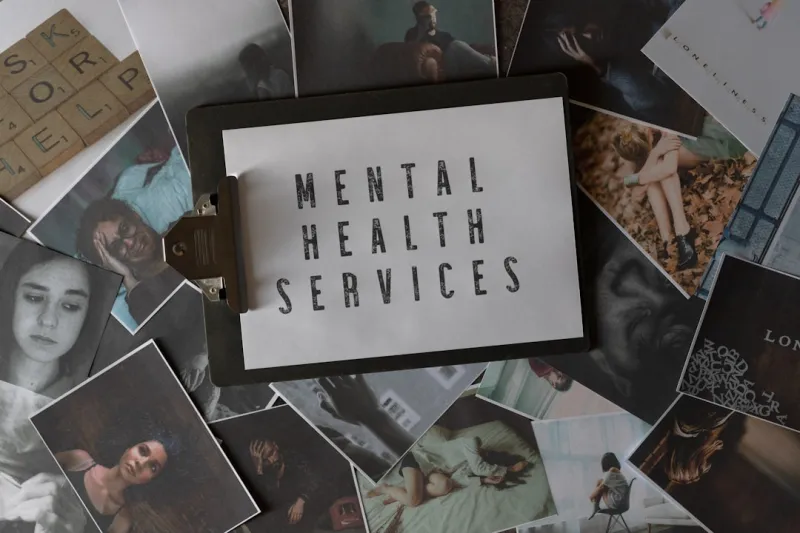
The Intersection of Mental Health and Preventive Care
Explore the intersection of mental health and preventive care, and discover how prioritizing your mental well-being can improve your overall health and happines...Read More

From Frustration to Freedom: My Holistic Path to Sustainable Weight Loss
A personal, holistic guide to weight loss that moves beyond diets, focusing on gut health, joyful movement, and sustainable lifestyle changes....Read More
0 Comments
Post Comment
You will need to Login or Register to comment on this post!