

Why Pelvic Wellness Deserves Your Attention
Let’s face it: when we talk about “women’s health,” the conversation often jumps straight to hormones, nutrition, or fitness trends. While those topics are undeniably important, there’s a quiet powerhouse that many of us overlook—our pelvic floor. Think of it as the unsung hero that supports everything from bladder control to sexual confidence, and even core stability. In my years of researching and writing about health, I’ve seen a surge of interest in high‑performance hacks, but the pelvic floor still lives in the shadows for most of us.
Here’s the thing: a strong, flexible pelvic floor isn’t just for athletes or postpartum moms. It’s a cornerstone of everyday comfort and long‑term health. Whether you’re a desk‑bound professional, a creative freelancer, or a seasoned entrepreneur, the state of your pelvic muscles can influence posture, lower‑back pain, and even your ability to focus during those marathon meetings.
The Science Behind the Pelvic Floor
The pelvic floor is a sling of muscles, ligaments, and connective tissue that stretches like a hammock from the pubic bone in front to the tailbone at the back. These muscles work in harmony with the diaphragm, the deep core muscles, and the glutes—a trio often referred to as the “core pyramid.” When any part of this pyramid is out of sync, you can experience symptoms such as:
- Leaking urine during a sneeze or laugh (stress urinary incontinence).
- Recurring lower‑back or hip discomfort.
- Reduced sexual sensation or difficulty achieving orgasm.
- Difficulty fully emptying the bladder or bowels.
Recent research shows that up to 30 % of women experience some form of pelvic floor dysfunction at some point in their lives. Yet, less than half seek professional help, often because they don’t know where to start.
Debunking Common Myths
Before we dive into practical steps, let’s clear the air around a few myths that keep many women from engaging with pelvic health:
- Myth 1: “Only new moms need pelvic exercises.” While pregnancy and childbirth can stretch pelvic tissues, age‑related muscle weakening, chronic sitting, and heavy lifting also degrade pelvic strength.
- Myth 2: “Kegels are the only solution.” Kegels focus on a single muscle group and can even cause tension if over‑done. A balanced program includes relaxation, mobility, and coordination drills.
- Myth 3: “I’ll feel an immediate difference.” Pelvic muscles are subtle; improvements manifest as reduced leaks, smoother core movements, and heightened awareness—not always as a dramatic “aha!” moment.
Building a Pelvic‑Friendly Lifestyle
Below is a roadmap that blends simple daily habits with evidence‑based techniques. Each step can be slotted into a busy schedule without demanding a gym membership.
1. Re‑think Your Sitting Posture
Prolonged sitting compresses the pelvis and forces the pelvic floor into a constant state of contraction. To counteract this:
- Place a small cushion or rolled‑up towel under your sit bones to open the hip angle.
- Set a timer for every 45 minutes to stand, stretch, and gently sway your hips side‑to‑side.
- Consider a sit‑stand desk if your workspace allows it; alternating positions keeps the pelvic floor from staying “locked.”
2. Breath‑Body Coordination
Just as breathwork can calm hormones, the way you inhale and exhale influences pelvic tension. Practice a simple diaphragmatic breathing routine:
- Place one hand on your chest and the other on your belly.
- Breathe in through the nose for a count of four, feeling the belly expand.
- Exhale slowly through pursed lips for a count of six, allowing the pelvic floor to gently release.
Do this for three minutes each morning. Over time, you’ll notice a softer, more responsive pelvic floor that isn’t constantly “braced.”
3. Targeted Mobility Drills
Mobility is the bridge between strength and function. Incorporate these moves 3‑4 times a week:
- Hip‑Openers: The seated figure‑four stretch, where you cross one ankle over the opposite knee and gently press down on the raised knee.
- Cat‑Cow Flow: On all fours, alternate arching and rounding your back, syncing each movement with your breath. This mobilizes the lumbar spine and cues the pelvic floor to relax and contract rhythmically.
- Supine Pelvic Tilts: Lie on your back with knees bent, flatten your lower back into the floor by gently drawing the belly button toward the spine. Release and repeat 10‑12 times.
4. Strengthening with a Balanced Approach
When you’re ready for active strengthening, start with these gentle progressions:
- Slow “Kegel‑Lite” Holds: Instead of squeezing hard, imagine you’re trying to stop the flow of urine mid‑stream for 3‑5 seconds, then fully relax for 10 seconds. Repeat 8‑10 times.
- Bridge Variations: Lying on your back, feet hip‑width apart, lift hips toward the ceiling while gently engaging the pelvic floor. Add a squeeze of the glutes for added core integration.
- Standing Pilates “Hundred” Adaptation: Stand with feet hip‑width apart, arms extended forward, and perform a subtle pelvic floor draw‑in while pulsing the arms up and down. This trains coordination between the core and pelvic muscles.
5. Embrace Technology Wisely
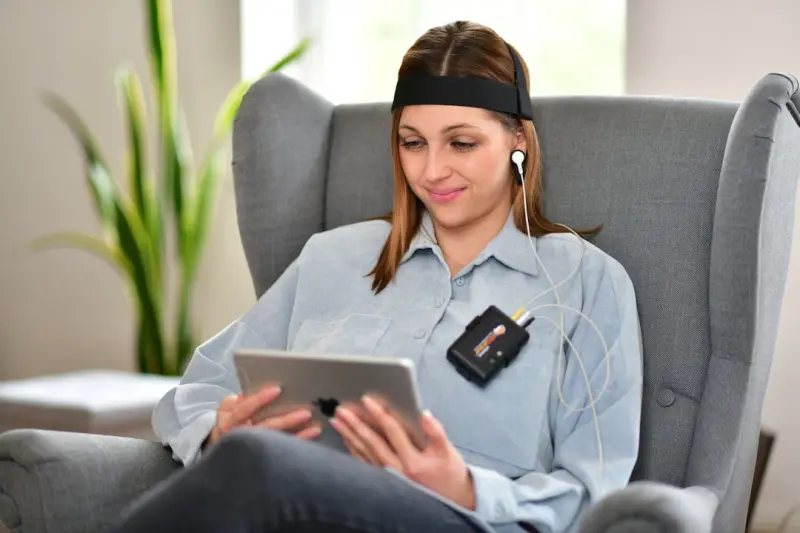
Modern wearables are no longer just for steps. There are discreet biofeedback devices that vibrate when you inadvertently contract your pelvic floor, helping you become aware of patterns you didn’t know existed. While not a replacement for a pelvic health professional, these tools can be an excellent supplement for self‑monitoring.
6. Nutrition and Hydration
Just as gut health can influence mood and energy (Microbiome Hacks for High‑Performance Professionals), the foods you eat affect pelvic health. Aim for:
- Fiber‑rich fruits, vegetables, and whole grains to prevent constipation, a major stressor on the pelvic floor.
- Magnesium‑rich foods (leafy greens, nuts, seeds) that support muscle relaxation.
- Plenty of water—aim for at least 2 liters a day—to keep the urinary tract healthy and reduce irritation.
When to Seek Professional Help
Self‑care works wonders, but if you experience persistent leakage, chronic pain, or a sudden change in sexual function, it’s time to consult a specialist. Look for a pelvic floor physical therapist or a urogynecologist who can:
- Perform a thorough internal assessment.
- Design a personalized program that balances strengthening and relaxation.
- Offer manual therapy techniques to release adhesions and improve tissue glide.
Early intervention dramatically improves outcomes, and many clinicians now offer tele‑health sessions—perfect for busy professionals who can’t fit in‑person visits into their calendar.
Integrating Pelvic Wellness into a Holistic Routine
Pelvic health doesn’t exist in isolation. Pair these practices with the broader lifestyle habits you already love:
- Mindful Movement: Yoga, tai chi, or gentle dance can reinforce pelvic awareness while also calming the mind.
- Sleep Hygiene: A well‑rested body recovers better, and quality sleep reduces overall muscle tension, including in the pelvic floor.
- Stress Management: Chronic cortisol spikes can cause muscle guarding. Incorporate short meditation breaks or nature walks to keep the nervous system balanced.
Real‑World Success Stories
To illustrate how these principles translate into everyday life, here are a few snapshots from women who took the plunge:
- Amanda, 32, marketing manager: After three months of incorporating breath‑body coordination and daily bridge work, she reported a noticeable reduction in “leakage” during her morning run, boosting confidence and allowing her to focus more on her performance goals.
- Leila, 45, software engineer: Persistent lower‑back pain made remote work painful. By adopting the hip‑opener routine and standing desk intervals, her pain dropped from a constant 6/10 to a manageable 1‑2/10, and she finally felt able to sit through long video calls without discomfort.
- Jenna, 58, small‑business owner: Post‑menopause, she noticed decreased sexual sensation. A tailored pelvic floor program, combined with magnesium‑rich foods, restored her confidence and reignited intimacy with her partner.
Putting It All Together: Your 30‑Day Pelvic Wellness Challenge
Ready to give your pelvic floor the attention it deserves? Here’s a simple 30‑day plan that blends the above elements into a manageable schedule:
- Days 1‑7: Focus on posture and breath. Set a timer for hourly stand‑ups, and practice diaphragmatic breathing for three minutes each morning.
- Days 8‑14: Add mobility drills (hip‑openers, cat‑cow) twice daily. Begin the supine pelvic tilt routine before bed.
- Days 15‑21: Introduce strength moves—slow “Kegel‑Lite” holds and bridges—three times a week.
- Days 22‑30: Integrate a biofeedback device (if available) for one 10‑minute session per day, and track progress in a journal. Celebrate small wins like reduced urgency or improved core stability.
Remember, consistency beats intensity. Small, daily actions create a resilient pelvic foundation that supports you through every phase of life.
Final Thoughts: Embrace the Quiet Power
When you start listening to the subtle cues of your pelvic floor, you’ll discover a newfound sense of agency. It’s not about dramatic transformations overnight; it’s about honoring a part of your body that silently carries you through every stride, sit, and sigh. By weaving these practices into the fabric of your day, you’ll experience not just physical benefits, but an uplifted confidence that radiates into your professional and personal pursuits.
Take the first step today—whether it’s a mindful breath, a gentle stretch, or a quick pelvic tilt. Your future self will thank you for the quiet power you’re building, one subtle habit at a time.

Sarah Gray is a proud Canadian who calls Brampton home, where she lives with her husband, Paul. A passionate home cook and gifted storyteller, Sarah loves creating delicious recipes and sharing stories inspired by everyday life, family, and cherished experiences. When she isn't experimenting in the kitchen, she's busy crafting engaging content that reflects her warmth, creativity, and love of connection. Above all, Sarah treasures time spent with her grandchildren, embracing every opportunity to create lasting memories with the people she loves most.
Related Posts

Perimenopause at Work: Turning the Change into a Competitive Edge
Perimenopause can affect focus, mood, and energy at work. This article explains the science behind t... Read More
Rewiring Female Stress Response: A Biofeedback Blueprint for Modern Women
A fresh, data‑driven guide helps women harness biofeedback, hormonal cycles, and gut‑vagal nutri... Read More

Holistic Strategies Every Woman Needs for Vibrant Health
A comprehensive guide to holistic women’s health, offering practical steps for hormone balance, gu... Read More
Top Posts

How to Engineer Your Home for Effortless Weight Loss
Transform your living space into a weight‑loss ally with strategic kitchen swaps, movement‑friendly layouts, and subtle social cues that turn healthy habits...Read More

Why Community Volunteering Is the Secret Weapon for Healthy Aging
Volunteering provides stress‑reducing neurotransmitters, social connection, and incidental exercise, all of which support healthier bodies and sharper minds a...Read More

The Science of Nutrient Layering: Crafting Meals That Sharpen Focus and Boost Creativity
Learn the art of nutrient layering—stacking carbs, proteins, fats, and micronutrients in the right order—to sustain focus, fuel creativity, and support reco...Read More

Creative Flow as Immunity: Harnessing Art and Music to Calm Autoimmune Flames
Discover how integrating art, music, and storytelling into daily routines can modulate the immune system, reduce flare‑ups, and empower those living with auto...Read More
0 Comments
Post Comment
You will need to Login or Register to comment on this post!