
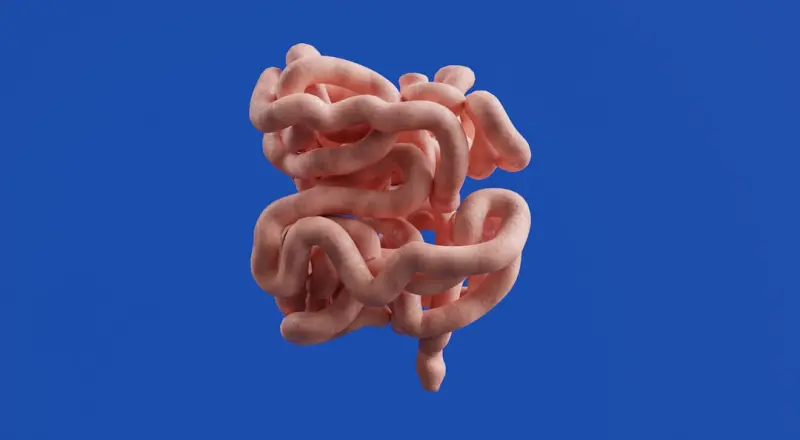
Why the Microbiome Is the New Frontier in Cancer Care
When I first walked into the oncology wing of my hometown hospital, the air was a blend of antiseptic scent and hushed determination. I was there to interview a survivor for a piece on the emotional journey of cancer treatment, but what stuck with me longer than any story was the quiet conversation happening in the back room between a gastroenterologist and an immunotherapy researcher. They were debating whether the trillions of microbes living in our guts could actually dictate how well a patient responds to cutting‑edge therapies.
That moment sparked a curiosity that has guided my writing ever since: what if the answer to improving cancer outcomes lies not just in the lab, but in the ecosystems already thriving inside us? This article dives deep into the emerging science of the gut microbiome, the practical steps patients can take today, and how this knowledge is reshaping the narrative around cancer treatment.
The Gut‑Brain‑Tumor Axis: More Than a Metaphor
For years, the medical community talked about the “gut‑brain axis,” a bidirectional communication highway between our digestive tract and our central nervous system. Recent research suggests there’s a third player: the tumor microenvironment. The microbes that colonize our intestines produce metabolites—short‑chain fatty acids, bile acids, and even neurotransmitter‑like compounds—that can travel through the bloodstream and influence immune cells.
When those immune cells reach a tumor, they either become more aggressive against cancer cells or, paradoxically, help the tumor hide. It’s a delicate balance, and the composition of your microbiome can tilt the scale one way or the other. Studies have shown that patients with a richer diversity of beneficial bacteria tend to have better responses to checkpoint inhibitors, a class of immunotherapy drugs that have revolutionized treatment for melanoma, lung, and kidney cancers.
From Lab Bench to Bedside: Real‑World Evidence
One of the most compelling cases comes from a multi‑center trial involving patients with advanced melanoma. Researchers divided participants into two groups: one received standard immunotherapy, while the other received the same drugs plus a fecal microbiota transplant (FMT) sourced from donors who had previously responded well to immunotherapy. The FMT group experienced a 30% increase in overall response rates and, more importantly, longer periods of disease‑free survival.
These findings are not isolated. Similar outcomes have emerged in colorectal and lung cancer studies, where dietary interventions aimed at boosting microbial diversity—high‑fiber, plant‑rich meals—correlated with improved treatment tolerance and fewer severe side effects.
Practical Steps to Nurture a Cancer‑Friendly Microbiome
While the science is still evolving, there are evidence‑backed lifestyle tweaks you can adopt right now. Below are five actionable strategies that align with the latest research and are safe for most patients undergoing treatment:
- Eat a Rainbow of Fiber‑Rich Foods: Whole grains, legumes, fruits, and vegetables feed beneficial bacteria. Aim for at least 30 grams of fiber daily.
- Incorporate Fermented Foods: Yogurt, kefir, kimchi, and sauerkraut introduce live cultures that can boost microbial diversity.
- Limit Processed Sugars and Red Meat: High sugar and excessive red meat consumption have been linked to a dominance of pro‑inflammatory microbes.
- Stay Hydrated and Manage Stress: Dehydration and chronic stress disrupt gut lining integrity, making it harder for good bacteria to thrive.
- Consider Probiotic Supplementation: Choose strains with clinical backing for cancer patients, such as Lactobacillus rhamnosus GG or Bifidobacterium longum. Always discuss with your oncologist before starting any supplement.
These steps mirror the broader wellness philosophies we’ve explored in other posts, such as the importance of liver’s role in stress resilience and how a balanced nutrient profile can enhance overall health.
Data‑Driven Personalization: The Role of Digital Health Tools
Imagine a future where your smartphone not only tracks your steps but also monitors the health of your microbiome. Emerging platforms are already allowing patients to upload stool sample results, dietary logs, and medication schedules to create a personalized gut profile. Algorithms then suggest tailored dietary plans, probiotic regimens, and even predicts how you might respond to certain therapies.
This is where the power of data‑driven health insights becomes transformative. By aggregating data from thousands of patients, researchers can identify microbial signatures that predict treatment success, paving the way for precision medicine that goes beyond genetics.
Challenges and Ethical Considerations
Despite the excitement, there are hurdles to overcome. The microbiome is incredibly personal—what works for one patient may not work for another. Standardizing stool sample collection, storage, and analysis remains a logistical challenge. Moreover, the idea of fecal transplants raises ethical questions about donor screening, consent, and the commercialization of human microbiota.
On the clinical side, integrating microbiome analysis into routine oncology practice requires new training for healthcare providers and reimbursement models that recognize its value. Until these systems are in place, many patients may miss out on the potential benefits.
Looking Ahead: A Holistic Vision for Cancer Care
What excites me most is the paradigm shift toward viewing the patient as an ecosystem, not just a collection of symptoms. When we nurture the gut, we’re indirectly supporting the immune system, reducing inflammation, and possibly enhancing the efficacy of life‑saving drugs.
As a writer, I’ve seen countless stories of resilience, and the microbiome narrative adds a new layer of empowerment. It tells patients that while we can’t control every variable in the fight against cancer, we can influence the microscopic community that lives within us every day.
So, whether you’re a survivor, a caregiver, or a healthcare professional, consider the gut as a partner in the journey. The science is still unfolding, but the message is clear: a thriving microbiome could be one of the most accessible allies we have in the battle against cancer.

Nikki McDonald is a freelancer based in Waterloo. She brings her skills and expertise to various projects, balancing her professional work with a personal life that includes her husband, Stewart.
Related Posts
Turning the Tide: Storytelling & Systems in Cancer Care
A deep dive into how storytelling, real‑time data, and purposeful environment design can transform... Read More

Living with Cancer: A Holistic Blueprint from My Journey
Deb Roberts shares her holistic cancer journey, blending mindful breathing, nutrient‑rich foods, g... Read More

Turning Numbers into Hope: Real‑Time Data Transforming Cancer Care
Real‑time data is reshaping oncology, offering continuous symptom monitoring, AI‑driven insights... Read More
Top Posts

Listening to Your Gut: How Intuitive Eating Can Supercharge Performance
Learn how to turn gut signals into a performance advantage with intuitive eating, fermented foods, and simple tracking methods that support digestion, cognition...Read More

Future‑Proofing Your Pregnancy in a Digital Age
A comprehensive guide for expectant parents blending technology, sustainability, and flexible work practices to create a resilient, future‑ready pregnancy exp...Read More
Sensory Enrichment: A Fresh Blueprint for Brain Vitality
Tap into the power of everyday senses—sight, sound, smell, touch—to boost memory, focus, and mental resilience with simple, science‑backed habits. From ki...Read More

Rethinking Prediabetes: From Warning Sign to Lifestyle Pivot
Prediabetes isn’t a permanent label but a dynamic signal. This post offers a holistic, adaptive lifestyle blueprint—integrating movement, nutrition, stress ...Read More
0 Comments
Post Comment
You will need to Login or Register to comment on this post!