
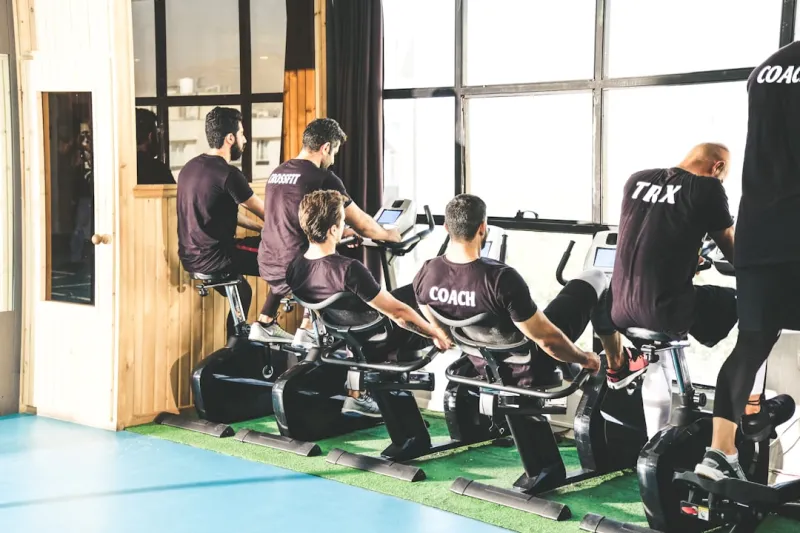
Why Exercise Feels Different Today
What used to be a simple “run a mile, lift a dumbbell” routine has exploded into a cultural conversation where movement meets mindfulness, community, and data‑driven personalization, and I’m here to decode that shift for anyone who feels the gym floor vibrating with new possibilities. The surge of wearable tech, on‑demand streaming classes, and a growing appetite for functional training means that the average person now expects a workout to not only burn calories but also boost mental clarity, improve sleep quality, and reinforce resilience against stressors that weren’t even on our radar a decade ago. In this brave new world, the most successful athletes and weekend warriors alike are learning to treat their bodies as ecosystems, where a well‑timed sprint can be just as restorative as a mindful yoga flow, and that balance is what fuels lasting motivation.
The Rise of Movement‑Centric Wellness
When I first swapped my corporate desk for a park bench and a pair of kettlebells, I discovered that exercise is no longer an isolated habit but a gateway to holistic health, a concept echoed in holistic physiotherapy practices that blend biomechanics with emotional wellbeing. By integrating breath work, proprioceptive drills, and intentional recovery, we create a feedback loop that tells our nervous system, “I’m safe, I’m strong,” which in turn lowers cortisol and supports immune function. This approach isn’t just for elite athletes; it’s a scalable framework that can be applied to a morning jog, a lunchtime stretch, or a post‑work yoga session, making every movement a step toward a more vibrant life.
Community as a Catalyst for Consistency
One of the most powerful trends I’ve witnessed is the way digital and in‑person communities amplify accountability, turning solitary reps into shared experiences that feel less like a chore and more like a social ritual. Platforms that host live classes, leaderboards, and peer challenges create a sense of belonging that fuels adherence, because when you know someone is cheering you on—or when you’re cheering them back—the psychological reward system lights up, reinforcing the habit loop. This collective energy mirrors the principles found in holistic strategies for vibrant health, where support networks are integral to sustaining long‑term wellness, proving that the body thrives when the mind feels connected.
Data‑Driven Personalization Without the Overwhelm
Modern fitness isn’t just about tracking steps; it’s about interpreting nuanced data points—heart‑rate variability, sleep stages, and even gut microbiome trends—to tailor workouts that respect individual recovery windows and performance peaks. While the avalanche of metrics can feel intimidating, the key is to focus on actionable insights, such as adjusting intensity when HRV dips or prioritizing mobility work after a night of poor sleep, thereby preventing burnout before it starts. By treating this data as a conversation with your body rather than a judgment, you empower yourself to make informed choices that align with both short‑term goals and long‑term vitality.
Functional Training: From Gym to Real Life
Functional training has moved from niche buzzword to mainstream necessity because it mirrors the movements we perform daily—lifting groceries, climbing stairs, or playing with kids—making every rep count beyond the gym walls. Incorporating multi‑planar exercises, such as farmer’s walks, Turkish get‑ups, and rotational lunges, engages stabilizer muscles, improves joint health, and reduces injury risk, which is especially crucial for those juggling busy schedules and unpredictable stressors. When you train for real‑world demands, the payoff is a body that feels competent, confident, and ready to tackle whatever the day throws at you, a sentiment echoed in the holistic approach of reimagining longevity.
Recovery Is Not an Afterthought
In the race to achieve higher PRs, many overlook the fact that recovery is the hidden engine that fuels progress, and modern research now places it on equal footing with the workout itself. Strategies such as active recovery sessions, contrast showers, and targeted mobility drills can dramatically accelerate muscle repair, while practices like meditation and deep diaphragmatic breathing lower systemic inflammation, creating a fertile environment for growth. By deliberately scheduling recovery days and embracing techniques that nurture the nervous system, you transform fatigue into a signal for adaptation rather than a barrier, ensuring that each training cycle builds on a solid, well‑rested foundation.
Mental Fitness: The New Frontier of Exercise
Exercise is increasingly recognized as a potent tool for mental health, with studies linking regular movement to enhanced neuroplasticity, reduced anxiety, and sharper cognition, making it a cornerstone of any comprehensive wellness plan. Integrating mindfulness cues—like focusing on the cadence of your breath during a run or the grounding sensation of feet on the mat during a plank—creates a meditative state that amplifies the psychological benefits of physical effort. This mind‑body synergy not only improves mood but also sharpens focus, enabling you to carry the calm and clarity cultivated in the gym into work meetings, creative pursuits, and personal relationships.
Adapting Exercise to Life’s Seasons
Just as nature cycles through seasons, our bodies and schedules do too, and the most sustainable fitness routines are those that adapt rather than resist these changes. During busy work periods, shorter high‑intensity intervals or bodyweight circuits can keep momentum alive, while slower, restorative practices like yoga or tai chi become essential during recovery phases or times of heightened stress. By viewing exercise as a flexible, lifelong companion rather than a rigid checklist, you preserve enthusiasm and avoid the burnout that often follows strict, unyielding programs, ensuring that movement remains a source of joy throughout every chapter of life.
Putting It All Together: Your Personalized Action Plan
To translate these trends into everyday action, start by identifying one functional movement you want to improve, schedule a weekly session that blends cardio, strength, and mindfulness, and then use a simple tracking system—like noting HRV trends or sleep quality—to fine‑tune intensity and recovery. Engage with a community, whether online or in a local studio, to share wins and challenges, and commit to at least one recovery ritual each week, such as a foam‑rolling routine or a guided meditation. By aligning data, community, functional training, and purposeful recovery, you create a holistic exercise ecosystem that fuels not just a fitter body but a sharper mind, a resilient spirit, and a life that thrives beyond the gym walls.

Brody Lambert is an emerging freelance writer whose fresh voice and thoughtful approach are quickly making their mark. As a fairly new entrant in the world of freelance writing, Brody brings a blend of curiosity and dedication that fuels every project, crafting stories and content that resonate with authenticity and clarity.
Related Posts

Turn Your Commute Into a Mini‑Workout Engine
By treating each step of the daily commute as a training opportunity, you can embed movement, improv... Read More
Playful Power: Gamifying Your Fitness Journey for Lasting Motivation
Turn workouts into a fun, game‑like adventure. This guide shows how to use goals, rules, rewards, ... Read More
Why Playful Micro‑Movements Are the Next Fitness Frontier
Micro‑movement redefines exercise as short, playful bursts that fit into any schedule. Learn why t... Read More
Top Posts

Redesign Your Space: The Hidden Architecture of Weight Loss
A fresh approach to weight loss focuses on reshaping your environment—making healthy foods visible, movement effortless, and feedback rewarding—to create a ...Read More

Whole‑Self Wellness: My 2026 Blueprint for Vibrant Health
In 2026, I share my holistic health blueprint—from mindful eating and intentional movement to restorative sleep and modern detox—empowering you to achieve v...Read More

Tiny Daily Hacks to Tame Blood Pressure Without Changing Your Life
Learn how brief breath‑sync breaks, timed hydration, posture pulses, and other micro‑adjustments can naturally stabilize blood pressure while fitting seamle...Read More

The Power of Holistic Health: A Comprehensive Approach to Wellbeing
Holistic health is a comprehensive approach to wellbeing that considers the whole person - body, mind, and spirit. Learn how to prioritize nutrition, manage str...Read More
0 Comments
Post Comment
You will need to Login or Register to comment on this post!