
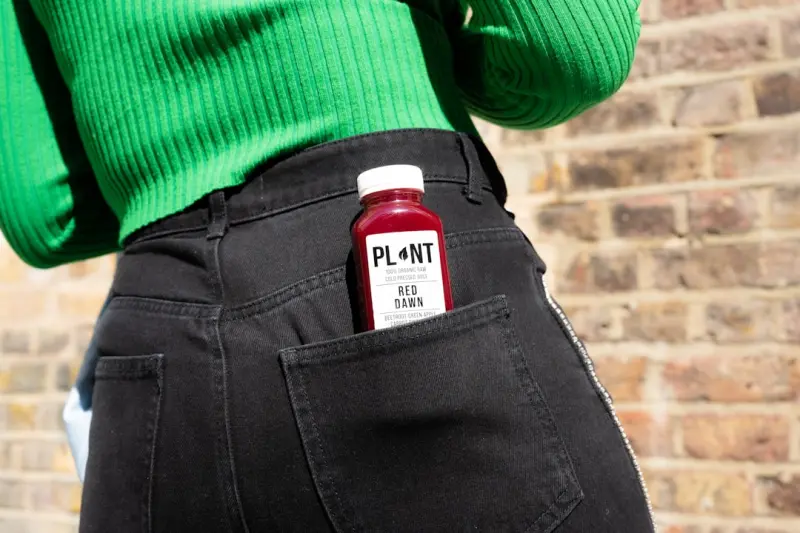
Why the Gut Is the Real Detox Hero
When most people hear “detox,” the mind jumps to lemon water fasts, charcoal pills, or a weekend juice cleanse. I used to be that person—standing in the kitchen, chanting “cleanse” while my fridge became a shrine of kale and cucumber. It felt right, but the results were fleeting. What finally cracked the code for me was a hard look at the microbiome—the trillions of microbes that call our intestines home.
These microscopic allies aren’t just passive passengers; they’re active biochemists that synthesize vitamins, break down toxins, and modulate inflammation. In short, a well‑balanced gut is a living, breathing detox engine. If the engine sputters, the whole system clogs. The good news? We can fine‑tune that engine with everyday choices that feel less like a punishment and more like a partnership.
The Science That Turns Gut Talk Into Action
Recent research shows that personalizing your nutrition based on microbial profiles can boost the body’s ability to eliminate heavy metals, excess hormones, and metabolic by‑products. When certain bacterial strains flourish, they produce enzymes like beta‑glucuronidase and aryl‑sulfatase, which directly attach to toxins and shuttle them out via stool. Conversely, dysbiosis—an imbalance in those strains—creates a bottleneck, allowing toxins to linger and even re‑enter the bloodstream.
Think of it like a city’s waste management system. If the trucks are on time and the routes are clear, the streets stay clean. If the trucks break down or the routes are blocked, trash piles up, attracting pests and disease. Your gut bacteria are those trucks, and the “routes” are the fiber, polyphenols, and diverse plant compounds you feed them.
Step‑One: Diversify Your Micro‑Fleet
Most Western diets are dominated by a handful of carbohydrate sources—wheat, rice, corn. This narrow feedstock nurtures a limited microbial crew. To diversify, aim for at least 30 different plant species each week. Here’s a quick checklist:
- Leafy greens: spinach, kale, arugula, beet greens
- Root vegetables: carrots, beets, radishes, turnips
- Cruciferous: broccoli, cauliflower, bok choy, Brussels sprouts
- Legumes: lentils, chickpeas, black beans, edamame
- Fruits: berries, apples, pears, kiwi, pomegranate
- Herbs & spices: cilantro, mint, turmeric, ginger, oregano
Mix and match these in salads, stews, or stir‑fries. The goal isn’t perfection; it’s variety. Each plant brings a unique blend of soluble fiber, resistant starch, and polyphenols that feed different bacterial families.
Step‑Two: Fermented Foods as Micro‑Boosters
Fermentation is nature’s way of pre‑digesting food, turning it into a probiotic cocktail. Incorporate at least one serving of live‑culture foods daily—think kimchi, sauerkraut, kefir, kombucha, or miso. These foods introduce beneficial strains like Lactobacillus and Bifidobacterium that can jump‑start a sluggish microbiome.
If you’re wary of the sour tang, start small: a tablespoon of kimchi on a grain bowl, or a splash of kefir in your morning smoothie. Consistency beats volume; a tiny daily dose is more effective than a massive binge once a month.
Step‑Three: Targeted Pre‑biotics for a Clean Sweep
Pre‑biotics are the fibers that microbes love to munch on. While all fiber is good, certain types are especially potent at promoting detox‑related bacteria:
- Inulin (found in chicory root, Jerusalem artichoke, onions)
- Resistant starch (cold‑cooked potatoes, green bananas, cooked‑then‑cooled rice)
- Beta‑glucan (oats, barley, mushrooms)
Adding a teaspoon of inulin powder to your coffee or sprinkling barley flakes over yogurt can give those detox enzymes a boost.
Step‑Four: Hydration with a Purpose
Water is the highway for waste removal, but not all hydration strategies are equal. Electrolyte‑balanced water (a pinch of sea salt, a squeeze of lemon) helps maintain gut motility, ensuring that toxins move along the gastrointestinal tract without lingering.
Additionally, sipping on herbal teas like dandelion root or ginger can stimulate bile flow—a key pathway for the excretion of fat‑soluble toxins such as PCBs and certain pesticides.
Step‑Five: Manage Stress, Because It’s a Microbiome Saboteur
Stress hormones (cortisol, adrenaline) can alter gut permeability—commonly known as “leaky gut.” When the intestinal barrier weakens, toxins slip into the bloodstream, triggering inflammation. Incorporate brief, science‑backed stress‑relief practices:
- Box breathing – 4 seconds inhale, 4 hold, 4 exhale, 4 hold; repeat for 5 minutes.
- Morning sunlight exposure – 10‑15 minutes to sync circadian rhythms and support gut motility.
- Movement breaks – a 2‑minute stretch every hour to keep the parasympathetic nervous system engaged.
Step‑Six: Sleep, the Unsung Detox Partner
While we’re not revisiting the insomnia piece, it’s worth noting that deep, uninterrupted sleep triggers the glymphatic system, which clears brain metabolites. A well‑rested gut also coordinates more efficient peristalsis and mucus production—both critical for toxin binding and elimination.
Prioritize 7‑9 hours of sleep, keep the bedroom cool, and dim lights an hour before bed. Simple changes here amplify the detox work you’re doing during the day.
Step‑Seven: Strategic Supplementation—When to Call in Reinforcements
If dietary changes feel insufficient, consider targeted supplements:
- Glutathione precursors (N‑acetylcysteine, alpha‑lipoic acid) to boost intracellular antioxidant capacity.
- Milk thistle (silymarin) for supporting liver‑gut axis detox pathways.
- Probiotic blends that include strains like Lactobacillus plantarum and Bifidobacterium longum, known for reducing endotoxin absorption.
Always pair supplements with a solid dietary foundation; they work best as amplifiers, not replacements.
Step‑Eight: Track, Tweak, and Celebrate
Data can be motivating. Use a simple journal (yes, a paper one—no need for a high‑tech app) to record:
- Food diversity score (how many plant types you ate that day)
- Fermented food intake
- Hydration volume
- Sleep quality (hours, how rested you feel)
- Stress moments and coping actions
After two weeks, look for patterns. If you notice sluggishness on days with low fiber, that’s a cue to adjust. Celebrate small wins—like a day you hit 30 plant species or managed a stress spike without a caffeine binge. Those victories reinforce the habit loop.
Connecting the Dots: From Gut to Whole‑Body Detox
By focusing on microbiome health, you’re not just clearing the digestive tract; you’re empowering a cascade of detox pathways:
- Bile‑mediated excretion of lipid‑soluble toxins
- Phase I/II liver enzymes that rely on gut‑derived nutrients like SAMe and glutathione
- Immune modulation that reduces chronic inflammation, a common barrier to toxin clearance
- Neuro‑immune signaling that influences sleep and stress responses, completing the detox loop
In other words, a gut reset is a holistic upgrade that touches every organ system without the need for extreme fasting or pricey “detox kits.”
Putting It All Together: A 7‑Day Microbiome Reset Blueprint
Here’s a practical, no‑stress plan to jump‑start your detox journey:
| Day | Focus | Key Actions |
|---|---|---|
| 1 | Diversity | Eat 5 different colored vegetables; add a handful of berries. |
| 2 | Fermentation | Include a serving of kimchi or kefir; keep a jar of sauerkraut handy. |
| 3 | Pre‑biotic Power | Blend in a teaspoon of inulin powder to a morning smoothie. |
| 4 | Hydration + Electrolytes | Drink 2 L of water with a pinch of sea salt and lemon. |
| 5 | Stress Management | Practice box breathing twice; take 5‑minute stretch breaks. |
| 6 | Sleep Optimization | Dim lights at 9 pm; avoid screens; aim for 8 hours. |
| 7 | Review & Adjust | Log the week’s data; note what felt good; plan the next week. |
Repeat this cycle, gradually increasing plant variety and fermented servings. Within a month, many readers report clearer skin, steadier energy, and lighter digestion—a sign that the internal detox machinery is humming.
Final Thoughts: Your Gut Is the Gatekeeper, Not the Guest
If you’ve spent years chasing the next trendy cleanse, it’s time to shift the narrative. Instead of “detox” being a short‑term event, think of it as a continuous partnership with your gut microbiome. Feed the right microbes, give them the fiber highways they need, keep the environment calm, and watch how effortlessly your body starts to clear out the clutter that once felt impossible to move.
Remember, the most powerful detox is the one that lives in your pantry, your routine, and your mindset. The microbes are already there, waiting for the invitation. Extend it, and they’ll do the heavy lifting for you.

Related Posts
Unlocking Natural Body Detox: Lymphatics, Light, and Lifestyle
A practical guide that blends lymphatic movement, circadian alignment, strategic hydration, and nutr... Read More
Detox From the Inside Out: Craig Brett’s Holistic Blueprint for a True Reset
Craig Brett reveals a comprehensive detox strategy that goes beyond juice cleanses, focusing on gut ... Read More
Resetting Your Inner Engine: A Holistic Approach to Body Detox Beyond the Diet
A fresh, holistic detox guide that goes beyond juice cleanses, focusing on breath, lymphatic movemen... Read More
Top Posts
Neurobics for the Modern Executive: Tiny Brain Workouts That Deliver Big Returns
Learn how to integrate simple, science‑backed neurobic exercises into a busy professional’s day, enhancing focus, creativity, and mental agility through tin...Read More
Unlocking the Secrets of Gut Health: A Holistic Approach to Wellness
Gut health plays a critical role in overall wellness, influencing digestion, immune function, mental clarity, and mood. Learn how to support a healthy gut micro...Read More

Fermented Foods: A Tasty Path to Reversing Prediabetes
A practical guide to using everyday fermented foods like kimchi, kefir, and miso to balance blood sugar, support gut health, and move from prediabetes toward la...Read More

Beyond the Scale: How Workplace Culture Shapes Eating Disorders
This article uncovers the hidden ways office culture, cafeteria cues, and wellness tech can trigger disordered eating, offering practical steps for leaders and ...Read More
0 Comments
Post Comment
You will need to Login or Register to comment on this post!