
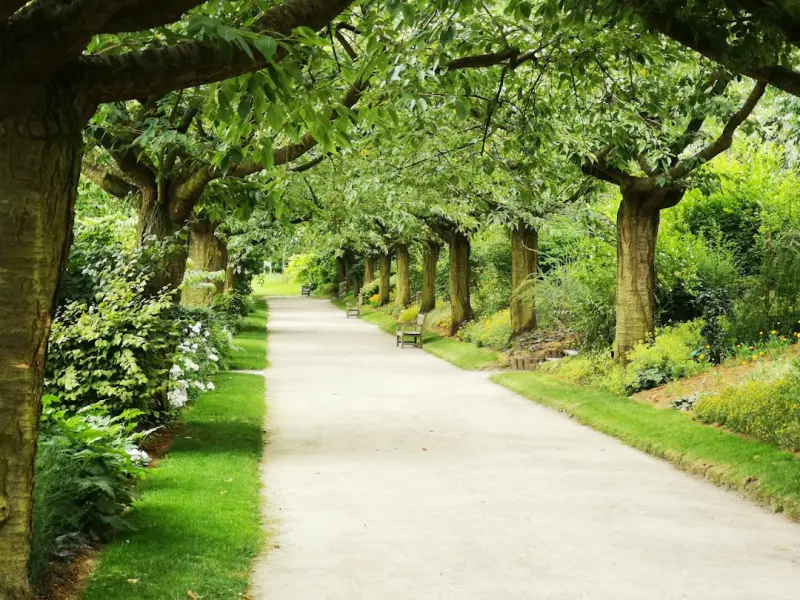
Finding Purpose in the Soil
When I first stepped onto a community garden plot at the senior center, the scent of damp earth and budding basil reminded me that growth does not stop at any age, and that every season offers a fresh invitation to nurture something beyond ourselves. I have spent decades watching health advice come and go, yet the simple act of placing a seed into the ground has proven to be a steady, tangible reminder that vitality is cultivated one gentle motion at a time. Gardening becomes a quiet ceremony of hope, a place where my hands, my thoughts, and the rhythm of the outdoors converge to rewrite what “aging” feels like.
Movement That Feels Like Play
Unlike a prescribed workout that can feel like a chore, the motions required in a garden—reaching for a hanging tomato, loosening soil with a trowel, or strolling between raised beds—activate a full spectrum of muscles while keeping the heart rate comfortably elevated, fostering better circulation and joint flexibility without the intimidation of a gym setting. Research shows that even modest, repetitive motions improve balance and reduce the risk of falls, and I have felt the difference in the ease with which I climb stairs after a morning of weeding. By treating each task as a playful stretch, seniors can reap the benefits of low‑impact exercise while staying fully engaged in a meaningful activity.
Boosting Brain Power Naturally
Beyond the physical, tending a garden stimulates the brain in ways that are strikingly similar to learning a new language, a practice I once thought was reserved for the young but now see mirrored in the mental choreography of planting, watering, and harvesting. The constant need to remember planting dates, recognize subtle changes in leaf color, and solve unexpected pest problems creates a mental workout that sharpens memory and enhances problem‑solving skills. In fact, a recent study highlighted that learning a new language can boost cognitive resilience, and the same neural pathways light up when we engage with the ever‑changing garden ecosystem.
Emotional Resilience Through Shared Soil
There is an undeniable emotional lift that comes from watching a seed sprout under your care, a feeling that mirrors the satisfaction of completing a journal entry that captures a moment of gratitude; both practices anchor us in the present and provide a narrative of progress. When I sit beside a fellow gardener and exchange stories about the first bloom of the season, we are engaging in a form of narrative journaling without the pen, allowing our shared experiences to weave a tapestry of community support that combats loneliness. This reciprocal storytelling not only validates our individual journeys but also builds a collective resilience that can buffer the stresses of aging.
Getting Started: Low‑Maintenance Foundations
For seniors eager to dip their toes into gardening, the key is to begin with raised beds or container gardens that sit at waist height, eliminating the need to bend or kneel for extended periods, and choosing soil mixes that retain moisture to reduce watering frequency. Selecting hardy, low‑maintenance varieties such as kale, rosemary, and dwarf fruit trees ensures that the garden yields satisfaction without demanding constant attention, while drip‑irrigation kits automate hydration and free up mental space for creative planning. By investing in ergonomic tools—lightweight trowels with cushioned grips and long‑handled pruners—each task becomes a comfortable extension of the body rather than a source of strain.
Bridging Generations Through Green Spaces
One of the most rewarding aspects of community gardening is the natural bridge it creates between seniors and younger volunteers, turning the garden into an intergenerational classroom where stories about the past mingle with fresh ideas for the future. When teenagers help transplant seedlings, they not only learn patience and respect for nature, but they also gain insight into the wisdom that comes from years of lived experience, while seniors receive a burst of youthful energy and a sense of relevance that counters age‑related stereotypes. These collaborative moments foster mutual mentorship, reinforcing the notion that health thrives on connection across the lifespan.
Seasonal Strategies for Sustainable Joy
Understanding the seasonal rhythm of planting allows seniors to align their garden activities with the body’s natural energy cycles, reducing fatigue and maximizing enjoyment; for example, early spring can focus on seed sowing and light pruning, while midsummer is ideal for harvest and light watering, and autumn invites composting and soil enrichment. By selecting perennials that return year after year, gardeners minimize the workload and create a predictable source of nourishment, which can be especially comforting during months when daylight wanes. Adapting the garden’s calendar to one’s personal health rhythm turns gardening into a sustainable, low‑stress routine that supports long‑term wellbeing.
Overcoming Common Barriers
Mobility challenges, limited access to land, and concerns about safety often deter seniors from exploring gardening, but creative solutions abound: partnering with local churches or libraries that offer shared garden plots, installing sturdy railings around raised beds, and using mobility scooters to navigate larger spaces can all transform perceived obstacles into manageable steps. Grants and community programs frequently provide free tools, soil, and seeds, making the initial investment modest, while virtual gardening workshops empower seniors to learn techniques from the comfort of their homes before venturing outdoors. By proactively addressing these hurdles, we ensure that the garden remains an inclusive sanctuary for all ages.
Harvesting a Healthier Future
As the seasons turn and the garden matures, the harvest becomes more than a collection of vegetables; it symbolizes the fruits of sustained physical activity, mental stimulation, and social engagement, all of which contribute to a richer, more vibrant senior life. I encourage every reader to plant at least one seed this month—whether in a community plot, a balcony container, or a windowsill pot—and observe the transformation that unfolds over weeks and months. This simple act plants the foundation for a healthier, more connected future, proving that age is merely a number when the soil beneath our feet continues to nurture growth.

Kelly Reynolds is a dynamic freelance writer hailing from the picturesque landscapes of Alberta. A master of the written word, she juggles her passion for storytelling with the exhilarating chaos of being a mother to five spirited children. With an impressive portfolio that spans various genres, Kelly captivates readers through her engaging blog posts and thought-provoking articles.
Related Posts

Reimagining Senior Wellness Through Community and Purpose
A fresh look at senior health: building purpose, social ties, and tech-savvy habits to enhance wellb... Read More
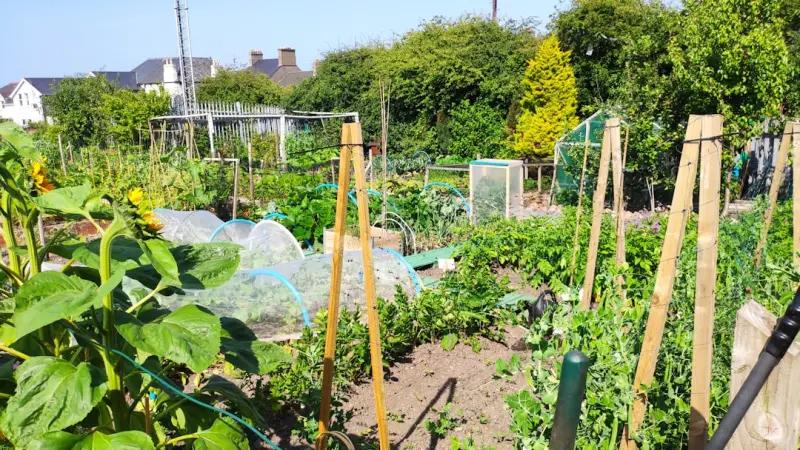
Harvesting Health: How Community Gardens Revitalize Seniors’ Bodies, Minds, and Social Lives
A senior’s garden is more than a hobby—it’s a holistic health tool. Learn how community garden... Read More

How Smart Pillboxes Are Redefining Senior Independence
Smart pillboxes turn medication management into a confidence‑boosting routine, offering reminders,... Read More
Top Posts

Neuro‑Hygiene: A Daily Playbook for Brain Health
A practical guide to daily neuro‑hygiene, offering micro‑recovery breaks, focused learning sprints, and environment‑based reset zones that together protec...Read More

Why Skin‑to‑Skin Isn’t Just Cute: The Science Behind Infant Touch
A deep dive into why skin‑to‑skin contact is a powerful, evidence‑backed tool for newborns, offering neurodevelopmental, immunological, and emotional bene...Read More

Micro‑Creative Rituals: Tiny Daily Practices That Supercharge Your Brain
Micro‑creative rituals—simple, daily acts like doodling or humming—activate the brain’s reward system and strengthen neural pathways, offering a practic...Read More

How Real‑Time Data and Community Support Empower Prediabetes Management
Explore a fresh, tech‑enabled approach to prediabetes that blends real‑time glucose tracking, community accountability, and holistic lifestyle tweaks for la...Read More
0 Comments
Post Comment
You will need to Login or Register to comment on this post!